
Nicholas Sparks Biography Quotes 30 Report mistakes
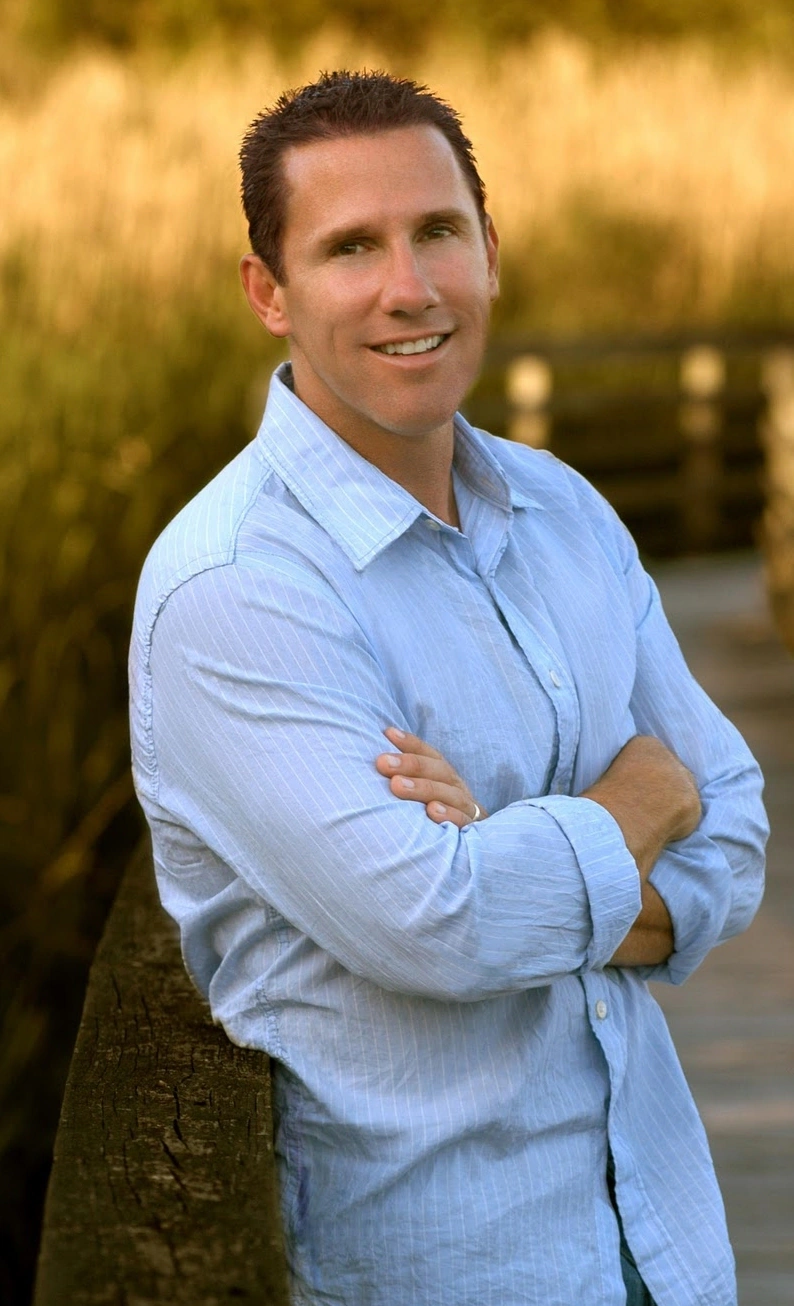
| 30 Quotes | |
| Born as | Nicholas Charles Sparks |
| Occup. | Author |
| From | USA |
| Born | December 31, 1965 Omaha, Nebraska, United States |
| Age | 60 years |
| Cite | |
Citation Formats
APA Style (7th ed.)
Nicholas sparks biography, facts and quotes. (2026, February 11). FixQuotes. https://fixquotes.com/authors/nicholas-sparks/
Chicago Style
"Nicholas Sparks biography, facts and quotes." FixQuotes. February 11, 2026. https://fixquotes.com/authors/nicholas-sparks/.
MLA Style (9th ed.)
"Nicholas Sparks biography, facts and quotes." FixQuotes, 11 Feb. 2026, https://fixquotes.com/authors/nicholas-sparks/. Accessed 25 Mar. 2026.
Early Life and Background
Nicholas Charles Sparks was born on December 31, 1965, in Omaha, Nebraska, into a family shaped by mobility and plainspoken Midwestern values. His father, Patrick Michael Sparks, pursued graduate studies and later worked as a professor and businessman, while his mother, Jill Emma Marie Sparks, helped anchor a household that moved with academic and professional opportunity. The constant relocations - including time in Minnesota and finally California - gave Sparks an early familiarity with reinvention, the way new towns force you to rehearse identity, and the private loneliness that can exist even inside a stable family.In 1984 the family settled in Fair Oaks, a suburb of Sacramento, where Sparks finished high school and became a competitive runner. The era mattered: late Cold War America, suburban consolidation, evangelical revival in many regions, and a growing mass-market appetite for accessible storytelling. Those crosscurrents - aspiration, faith, and a culture hungry for emotional clarity - would later appear in his work as a preference for moral stakes and recognizable, small-town social worlds.
Education and Formative Influences
Sparks attended the University of Notre Dame on a track scholarship, graduating in 1988 with a business degree. Notre Dame's Catholic environment, alongside the discipline of collegiate athletics, reinforced a worldview where effort, routine, and belief are not abstractions but daily practice. During and after college he wrote steadily, initially producing novels that did not find a publisher; the long apprenticeship taught him the market's indifference and the necessity of stamina. In 1989 he married Cathy Cote; the couple later built a family, and the responsibilities of marriage and parenthood deepened his interest in commitment, regret, and the fragility of time.Career, Major Works, and Turning Points
After a period of jobs and entrepreneurial attempts, Sparks broke through in the mid-1990s with The Notebook (1996), a love story framed by memory and endurance that positioned him as a major voice in commercial romantic fiction. Success accelerated: Message in a Bottle (1998), A Walk to Remember (1999), and later Nights in Rodanthe (2002), The Guardian (2003), The Wedding (2003), Dear John (2006), The Lucky One (2008), The Last Song (2009), Safe Haven (2010), and The Best of Me (2011) sustained a prolific cadence, often set in North Carolina, where he lived for years in New Bern. Hollywood adaptations - notably The Notebook (2004), A Walk to Remember (2002), Dear John (2010), The Last Song (2010), and Safe Haven (2013) - turned his books into a parallel filmography, widening his readership while locking in a recognizable brand: earnest romance, family bonds, and the pressure of loss. A quieter turning point came later as his personal life changed; after decades of marriage, Sparks and Cathy divorced in 2016, a real-world fracture that echoed the recurrent theme in his novels that love is tested as much by time as by feeling.Philosophy, Style, and Themes
Sparks writes as a craftsman of emotional inevitability: he prefers clear prose, direct scenes, and a narrative architecture that leads toward catharsis. The work ethic is central to the persona and the product - not bohemian inspiration but scheduled labor and measured output. “I write 2, 000 words a day when I write. It sometimes takes three hours, it sometimes takes five hours”. That habit mirrors his characters, who often endure by routine - showing up, keeping promises, returning to the same porch, the same church, the same shoreline - because repetition, in his moral universe, is where devotion becomes legible.His inner psychology, as expressed through recurrent motifs, is both romantic and wary. He repeatedly asks whether love is a transformative force or a fragile arrangement with life. “I don't know that love changes. People change. Circumstances change”. The sentence is revealing: it preserves love as an ideal while shifting tragedy onto time, choice, and contingency. In Sparks' fiction, the world is not cynical, but it is nonnegotiable - illness, war, accidents, and missed timing arrive like weather. Romance, then, becomes a form of attention and fidelity under distraction: “Romance is thinking about your significant other, when you are supposed to be thinking about something else”. That definition explains his scenes of ordinary devotion - letters, caregiving, small rituals - and his preference for protagonists who demonstrate love through steadiness rather than wit.
Legacy and Influence
Sparks became one of the defining American popular novelists of late-20th and early-21st-century romantic fiction, blending inspirational overtones with mainstream accessibility and helping normalize the idea that adult love stories could dominate bestseller lists and multiplex screens at the same time. His North Carolina settings strengthened the contemporary romantic map of the American South, while his adaptations helped shape a film language of earnest courtship and tearful payoff. For readers, his enduring influence lies in permission: to treat sentiment as serious, to believe that ordinary people merit epic feeling, and to face grief without abandoning tenderness.Our collection contains 30 quotes written by Nicholas, under the main topics: Ethics & Morality - Love - Writing - Work Ethic - Book.
Other people related to Nicholas: Nick Cassavetes (Actor)
Nicholas Sparks Famous Works
- 2006 Dear John (Novel)
- 2003 The Wedding (Novel)
- 2003 The Guardian (Novel)
- 2002 Nights in Rodanthe (Novel)
- 1999 A Walk to Remember (Novel)
- 1998 Message in a Bottle (Novel)
- 1996 The Notebook (Novel)
Source / external links