
Nick Rahall Biography Quotes 20 Report mistakes
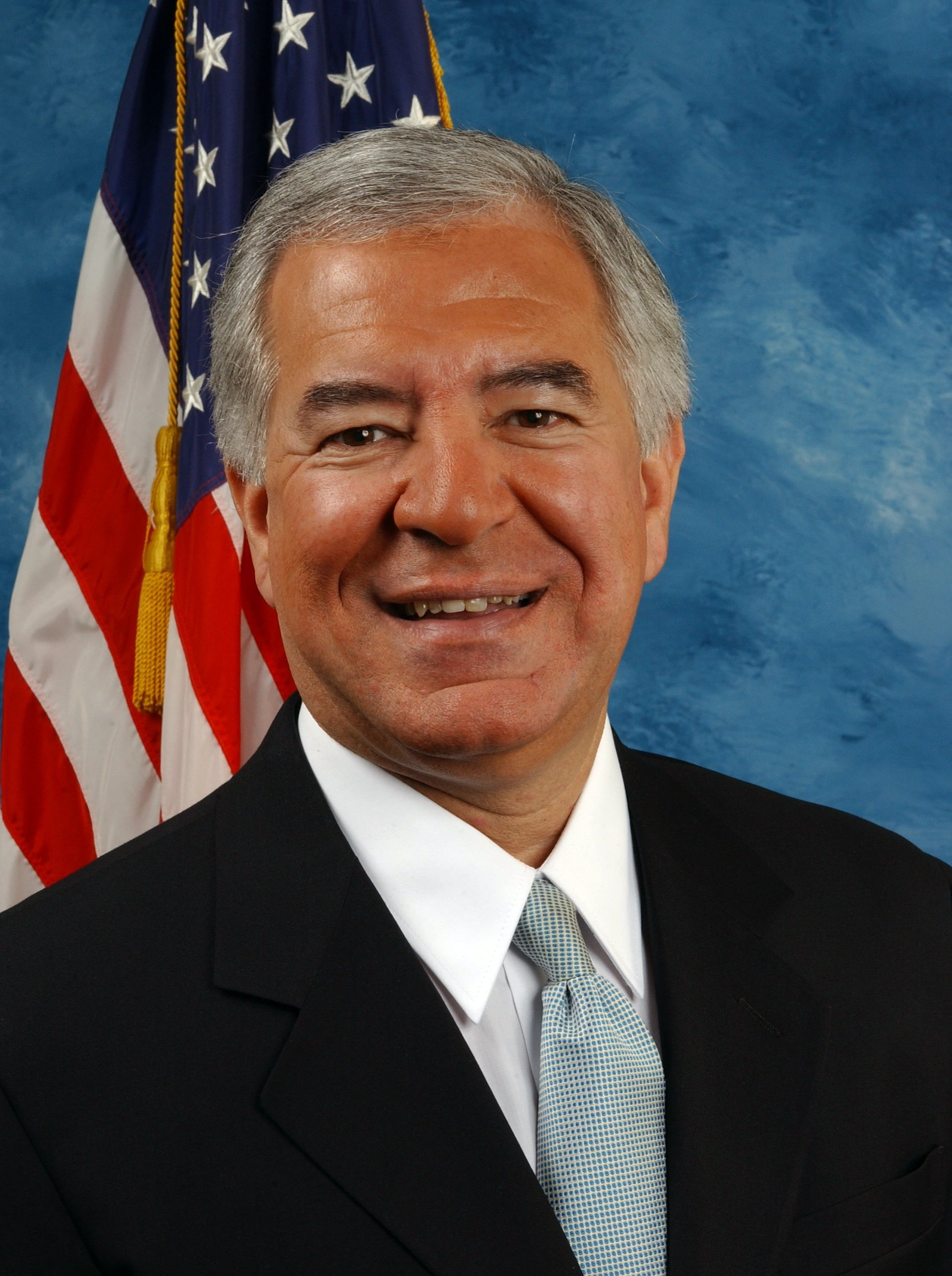
| 20 Quotes | |
| Born as | Nicholas Joseph Rahall II |
| Occup. | Politician |
| From | USA |
| Born | May 20, 1949 Beckley, West Virginia, United States |
| Age | 76 years |
| Cite | |
Citation Formats
APA Style (7th ed.)
Nick rahall biography, facts and quotes. (2026, March 11). FixQuotes. https://fixquotes.com/authors/nick-rahall/
Chicago Style
"Nick Rahall biography, facts and quotes." FixQuotes. March 11, 2026. https://fixquotes.com/authors/nick-rahall/.
MLA Style (9th ed.)
"Nick Rahall biography, facts and quotes." FixQuotes, 11 Mar. 2026, https://fixquotes.com/authors/nick-rahall/. Accessed 28 Mar. 2026.
Early Life and Background
Nicholas Joseph Rahall II was born on May 20, 1949, in Beckley, West Virginia, a coalfield crossroads where labor, land, and politics were never abstract ideas. He grew up in the thick of Appalachia's midcentury bargain: the promise of industrial work and local pride set against boom-and-bust extractive economies. That landscape - ridgelines, rivers, and company towns - became both his constituency and his moral vocabulary, shaping a public identity that mixed cultural conservatism with a protective instinct for place.His family roots were Lebanese and Maronite Christian, and that heritage gave him an outsider's sensitivity inside a largely Protestant region while also connecting him to an older American story of immigration and civic ascent. In a state where kinship and reputation functioned as political capital, Rahall absorbed early the value of face-to-face persuasion - the courthouse handshake, the union hall conversation, the church supper - and he learned that public service was judged less by ideology than by whether a representative could deliver respect and results.
Education and Formative Influences
Rahall attended West Virginia University, earning a B.A. in political science, and he also studied at American University in Washington, D.C., as he oriented himself toward national politics without losing his Appalachian compass. The era mattered: Vietnam, Watergate, and the environmental awakening after the first Earth Day made government look simultaneously necessary and suspect. For Rahall, the lesson was not cynicism but stewardship - an instinct to use institutions to protect communities and landscapes that could not protect themselves, while remaining attentive to the cultural and economic anxieties of working-class districts.Career, Major Works, and Turning Points
Elected to the U.S. House of Representatives in 1976, Rahall served West Virginia's 4th Congressional District for decades, becoming one of the chamber's most enduring Appalachian voices until his defeat in 2014. He built influence through committee work, especially on natural resources and transportation, where he advocated for conservation designations alongside energy and infrastructure priorities that kept rural communities connected. A key turning point came with his rise to chair the House Committee on Natural Resources (2007-2011), when the national debate over climate, drilling, and public lands sharpened partisan lines and forced him to balance local coal realities with a long view of land management, outdoor heritage, and federal responsibility.Philosophy, Style, and Themes
Rahall's inner life as a politician was governed by two loyalties that sometimes pulled against each other: a practical loyalty to people who lived by extraction and a principled loyalty to the land itself. He argued for a conservation ethic that did not treat wilderness as a rhetorical flourish but as a legal and moral commitment. “Simply put, I believe we should not seek the lowest common denominator when it comes to wilderness and saddle a wilderness designation with exceptions, exclusions, and exemptions”. That sentence captures his psychology as a legislator: an aversion to symbolic half-measures, and a belief that the integrity of a promise matters as much as the promise.His style in Congress was less about television performance than about patient accumulation - the long arc of hearings, markups, and local consultations. In foreign policy, his Lebanese heritage and attentiveness to human costs produced a pragmatic moralism: “Reasonable, even intelligent people can, and frequently do, disagree on how best to achieve peace in the Middle East, but peace must be the goal of our foreign policy tools, whether they be by the stick or by the carrot”. The line is revealing in its insistence on pluralism - disagreement is normal - but also in its refusal to abandon a guiding end. In civic rhetoric after national trauma, he returned to endurance and institutional faith, framing patriotism as resilience rather than vengeance: “A resilient people cherishing liberty and equality and the rule of law will endure”. Across land policy, diplomacy, and civic memory, his recurring theme was continuity - that a nation, like a landscape, is kept whole by protecting the conditions that make renewal possible.
Legacy and Influence
Rahall's legacy sits at a difficult intersection in modern American politics: a New Deal-rooted Appalachian Democrat who tried to hold together labor, conservation, and a culturally traditional electorate as party coalitions realigned. He helped normalize the idea that environmental protection and rural representation could be coupled rather than opposed, even as the decline of coal and the rise of polarized media made that synthesis harder to sustain. His long tenure and committee leadership left a durable imprint on public-lands debates and on the model of a congressman as a locally anchored steward - measured, bilingual in the languages of extraction and preservation, and convinced that governance is ultimately an act of keeping faith with people and place.Our collection contains 20 quotes written by Nick, under the main topics: Justice - Nature - Freedom - Resilience - Equality.
Source / external links