
Nigel Dennis Biography Quotes 19 Report mistakes
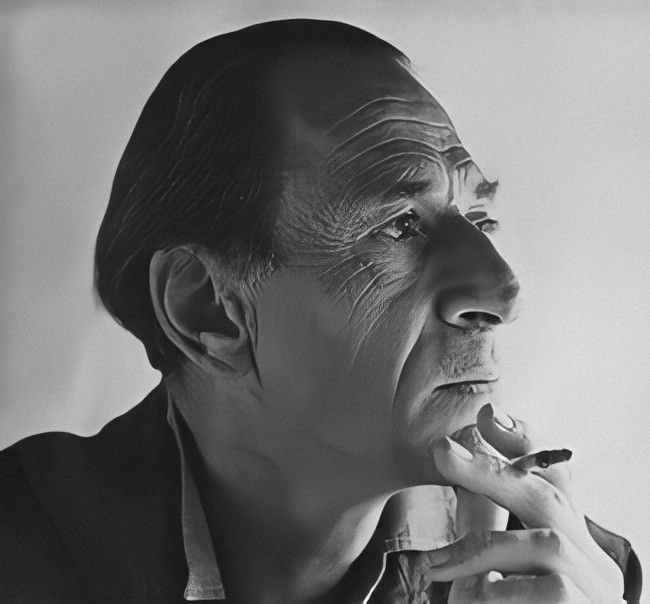
| 19 Quotes | |
| Born as | Nigel Forbes Dennis |
| Occup. | Writer |
| From | United Kingdom |
| Born | January 16, 1912 Surrey, England |
| Died | July 19, 1989 Gloucestershire, United Kingdom |
| Aged | 77 years |
| Cite | |
Citation Formats
APA Style (7th ed.)
Nigel dennis biography, facts and quotes. (2026, February 11). FixQuotes. https://fixquotes.com/authors/nigel-dennis/
Chicago Style
"Nigel Dennis biography, facts and quotes." FixQuotes. February 11, 2026. https://fixquotes.com/authors/nigel-dennis/.
MLA Style (9th ed.)
"Nigel Dennis biography, facts and quotes." FixQuotes, 11 Feb. 2026, https://fixquotes.com/authors/nigel-dennis/. Accessed 25 Mar. 2026.
Early Life and Background
Nigel Forbes Dennis was born on 1912-01-16 in the United Kingdom, a child of the unsettled interwar years when class certainties were fraying and modern mass culture was accelerating. That early twentieth-century British atmosphere - a mix of restraint, wit, and social observation sharpened by economic anxiety - became the emotional weather of his later writing: characters speak as if manners are armor, yet their private longings keep slipping through.He came of age as Europe edged toward another war, and his sense of human comedy was formed under pressure - a temperament that preferred the oblique remark to the grand declaration, and that learned to read whole lives in fleeting social cues. Dennis would later make this talent his signature: not a biographer of public triumphs, but a novelist of the small humiliations and self-protective fantasies that people mistake for personality.
Education and Formative Influences
Dennis's formative influences were those available to an ambitious British writer between the wars: the clipped ironies of high comedy, the discipline of observing speech patterns, and the literary afterglow of late modernism, which taught that the most consequential drama often happens in thought rather than action. He absorbed the era's hard-earned skepticism - the sense that institutions can endure while individual happiness collapses - and converted it into a style that looks light on the surface while tracking emotional risk with near-microscopic attention.Career, Major Works, and Turning Points
Dennis established himself as a writer with the novel Cards of Identity (1955), a darkly comic and psychologically acute story that uses a satiric premise to explore the hunger to be assigned a role - and the terror of being seen without one. The book's success fixed his public reputation as a novelist of elegant cruelty and moral pressure, and it remains his best-known work; it also marked his decisive turning point from merely talented observer to a writer with a recognizable apparatus of themes: performance, coercion, and the fragile negotiations that pass for intimacy.Philosophy, Style, and Themes
Dennis wrote as if the self were a provisional document, revised under social scrutiny. His comedy is rarely consoling; it is diagnostic, exposing how identity can be manufactured, traded, or stolen. In Cards of Identity, the conceit of remaking a person becomes an allegory for ordinary life, where people silently bargain for belonging by agreeing to be misread. Dennis's psychological acuity lies in how he stages these bargains in dialogue and gesture, making the reader complicit in the judgment of surfaces while also alert to the pain beneath them.The most revealing thread in his inner life is a work ethic that treats creation as plan, inventory, and pressure - a sensibility that values craft over romantic inspiration. “I carry a notebook full of sketches of pictures I want to take - they are really scruffy sketches, but at least I am going out there with a clear objective”. That insistence on objectives parallels his fiction's controlled architecture: scenes feel effortless, yet they are built to corner a character into self-revelation. Likewise, the admission “All I really wanted to do was wildlife photography”. reads, in a literary key, like the confession of a mind torn between the ideal pursuit and the compromises required to fund it - a tension he dramatized as the gap between what people claim to want and what their choices actually serve. Even the wry domestic image - “We often joked that there was plenty of film in the fridge, but not too much food!” - clarifies his recurring theme of scarcity: not only material scarcity, but the scarcity of courage, tenderness, and time, which pushes people toward masks that promise safety.
Legacy and Influence
Dennis endures as a writer who made social surfaces feel morally consequential, and who showed that identity can be both refuge and trap. Cards of Identity remains a reference point for readers drawn to British postwar satire and to novels that treat personality as performance under surveillance; its influence can be traced in later fiction that blends comedy with coercion, and that understands power as something exercised not only by states or institutions but by the everyday need to be recognized. Dennis died on 1989-07-19, leaving behind a reputation for precision and bite - a body of work that continues to reward rereading because it sees the self not as a possession, but as a negotiation.Our collection contains 19 quotes written by Nigel, under the main topics: Witty One-Liners - Art - Nature - Book - Gratitude.
Nigel Dennis Famous Works
- 1971 Boys and Girls Come Out to Play (Novel)
- 1966 A House in Order (Novel)
- 1958 August for the People (Play)
- 1958 Two Plays for Puritans (Play)
- 1957 The Making of Moo (Play)
- 1955 Cards of Identity (Novel)
Source / external links