
Noel Coward Biography Quotes 26 Report mistakes
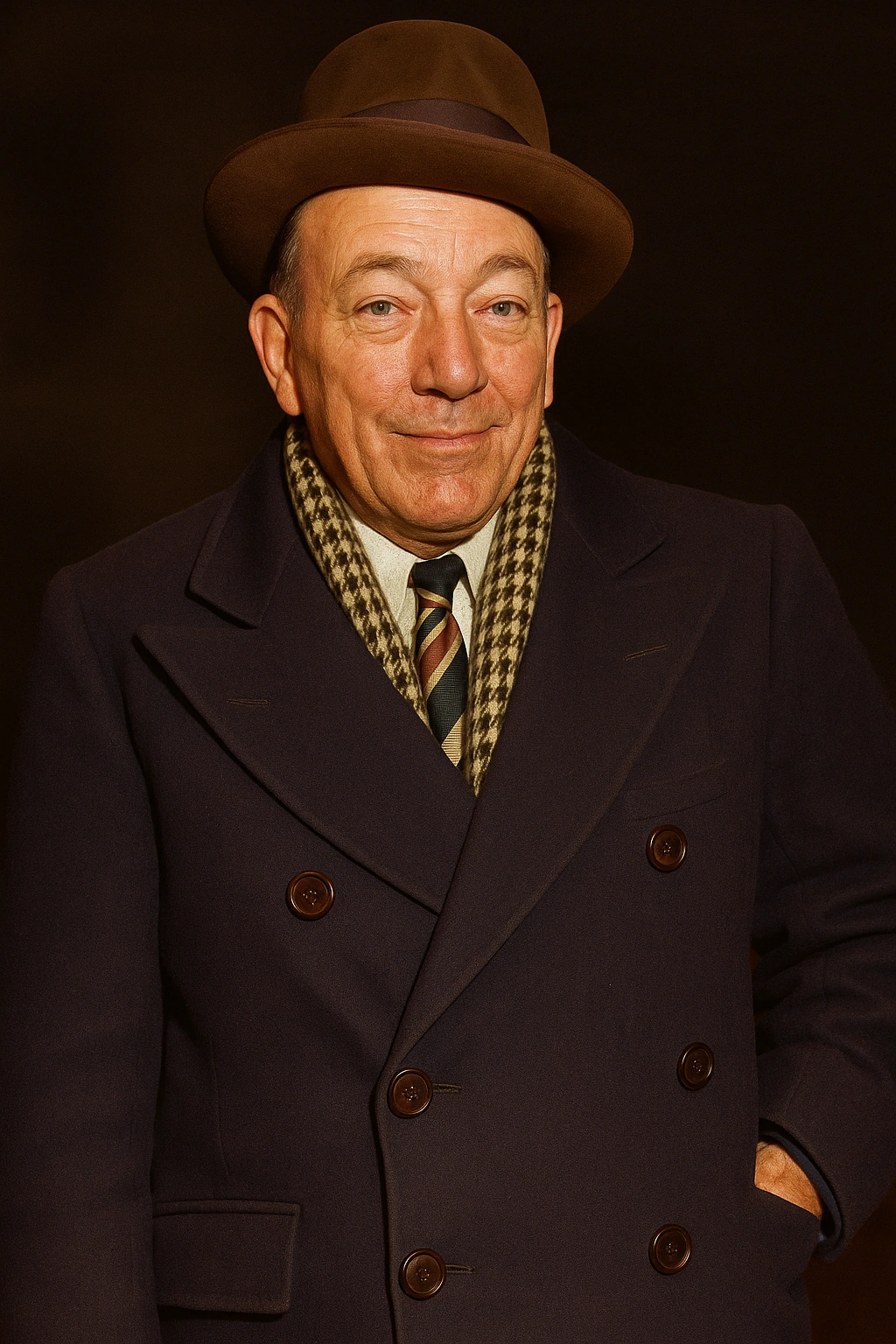
| 26 Quotes | |
| Born as | Noel Peirce Coward |
| Known as | Sir Noel Coward |
| Occup. | Playwright |
| From | England |
| Born | December 16, 1899 Teddington, Middlesex, England |
| Died | March 26, 1973 Jamaica |
| Cause | Heart failure |
| Aged | 73 years |
| Cite | |
Citation Formats
APA Style (7th ed.)
Noel coward biography, facts and quotes. (2026, February 11). FixQuotes. https://fixquotes.com/authors/noel-coward/
Chicago Style
"Noel Coward biography, facts and quotes." FixQuotes. February 11, 2026. https://fixquotes.com/authors/noel-coward/.
MLA Style (9th ed.)
"Noel Coward biography, facts and quotes." FixQuotes, 11 Feb. 2026, https://fixquotes.com/authors/noel-coward/. Accessed 6 Mar. 2026.
Early Life and Background
Noel Peirce Coward was born on 16 December 1899 in Teddington, Middlesex, into an England still confident of empire yet already anxious about modernity. His father, Arthur Coward, drifted between jobs; his mother, Violet, was the family engine, pushing her son toward the stage with the conviction of a manager and the protectiveness of a matriarch. Coward grew up with the sharpened sensitivities of a child who watches adults work at appearing secure. That early education in performance - social as much as theatrical - became the substrate of his later comedy of manners, where charm and cruelty share a room.The First World War formed the atmosphere of his adolescence: a nation drained, class lines shifting, and a hunger for diversion that would feed the interwar theatre. Coward was not a soldier-hero; his warfare was waged in drawing rooms, rehearsal spaces, and hotel suites, learning to turn precariousness into polish. Behind the satin epigrams lay a private discipline and a careful self-concealment, shaped by the risks of being a gay man in a culture of prosecution and insinuation.
Education and Formative Influences
Coward had little formal schooling and educated himself in the practical university of the theatre, beginning as a child actor in Edwardian London. He was mentored early by the painter Philip Streatfeild and, crucially, by the actress-manager Lillah McCarthy and her circle, absorbing professional standards, conversational rhythm, and the moral code of the repertory company. He studied the machinery of drawing-room comedy from Oscar Wilde and the French boulevard stage, but also the new tempo of jazz-age life - telephones, cocktails, fast travel - and learned to write dialogue that sounded like the decade speaking.Career, Major Works, and Turning Points
After writing and acting through the 1910s and early 1920s, Coward broke through with The Vortex (1924), a scandal-tinged portrait of drugs, vanity, and maternal tyranny that announced him as both diagnostician and entertainer. He consolidated his dominance with Hay Fever (1925), Private Lives (1930), and Design for Living (1932), while also composing songs and revues that broadened his appeal beyond the playhouse. During the Second World War he became a patriotic celebrity and morale symbol, writing and performing in works like Blithe Spirit (1941) and the film In Which We Serve (1942, with David Lean). Postwar, with tastes turning toward kitchen-sink realism and new theatrical politics, he remained a brand - touring, recording, and writing late plays - but increasingly positioned as the last sovereign of a fading style, eventually living much of the time in Jamaica while collecting honors including a knighthood in 1970. He died on 26 March 1973.Philosophy, Style, and Themes
Coward's art was built on speed, surface, and the moral intelligence of laughter. He treated elegance not as escapism but as a defense mechanism: when life threatens chaos, good manners become a weapon. His characters duel with language because language is where power can be won without bleeding; romance becomes a contest of timing; fidelity is debated like a contract clause. Even his lightest music carries a sting, alert to how sentiment can be manufactured and how quickly taste can turn vulgar.The inner Coward was less frivolous than the myth. His work ethic, bordering on compulsion, is captured in his own hard-edged maxim, “Work is much more fun than fun”. He distrusted sloppy abundance, insisting that style required restraint: “Wit ought to be a glorious treat like caviar; never spread it about like marmalade”. Yet beneath the crystalline finish sits a wary metaphysics, an awareness that sophistication does not solve the basic irritation of being alive: “We have no reliable guarantee that the afterlife will be any less exasperating than this one, have we?” The jokes are often relief valves for dread - about aging, about desire, about the brittleness of civilization - and the pose of nonchalance is itself a confession.
Legacy and Influence
Coward endures as the playwright who made English high comedy sound modern: clipped, musical, and psychologically precise. His dialogue set a standard for theatrical rhythm, influencing later writers of urbane comedy and screen sophistication, while revivals of Private Lives, Hay Fever, and Blithe Spirit continue to test actors on the razor edge between polish and pain. He also widened the model of the playwright as total theatre-maker - writer, performer, composer, impresario - and offered a coded but unmistakable lineage for queer artistry under constraint. In a century that repeatedly declared him dated, his best work keeps returning to prove that the surface, when mastered, can be as deep as a well.Our collection contains 26 quotes written by Noel, under the main topics: Witty One-Liners - Music - Peace - Faith - Honesty & Integrity.
Other people related to Noel: Julian Clary (Comedian), Hermione Gingold (Actress), Rachel Weisz (Actress), Jennifer Saunders (Comedian), Elsa Maxwell (Writer), Bobby Short (Musician), Jon Wynne-Tyson (Activist), Lynn Fontanne (Actress), Terence Rattigan (Dramatist), Alan Cumming (Actor)
Frequently Asked Questions
- Noel Coward partner: Graham Payn.
- Noel Coward death: 26 March 1973, Firefly Estate, Jamaica.
- Noel Coward movies: In Which We Serve; Brief Encounter; The Italian Job; Our Man in Havana; Bunny Lake Is Missing.
- Noel Coward wife: He never married.
- Noël Coward plays: Private Lives; Blithe Spirit; Hay Fever; Design for Living; Present Laughter; The Vortex.
- What did Noel Coward die of: Heart failure.
- How old was Noel Coward? He became 73 years old
Source / external links