
Og Mandino Biography Quotes 23 Report mistakes
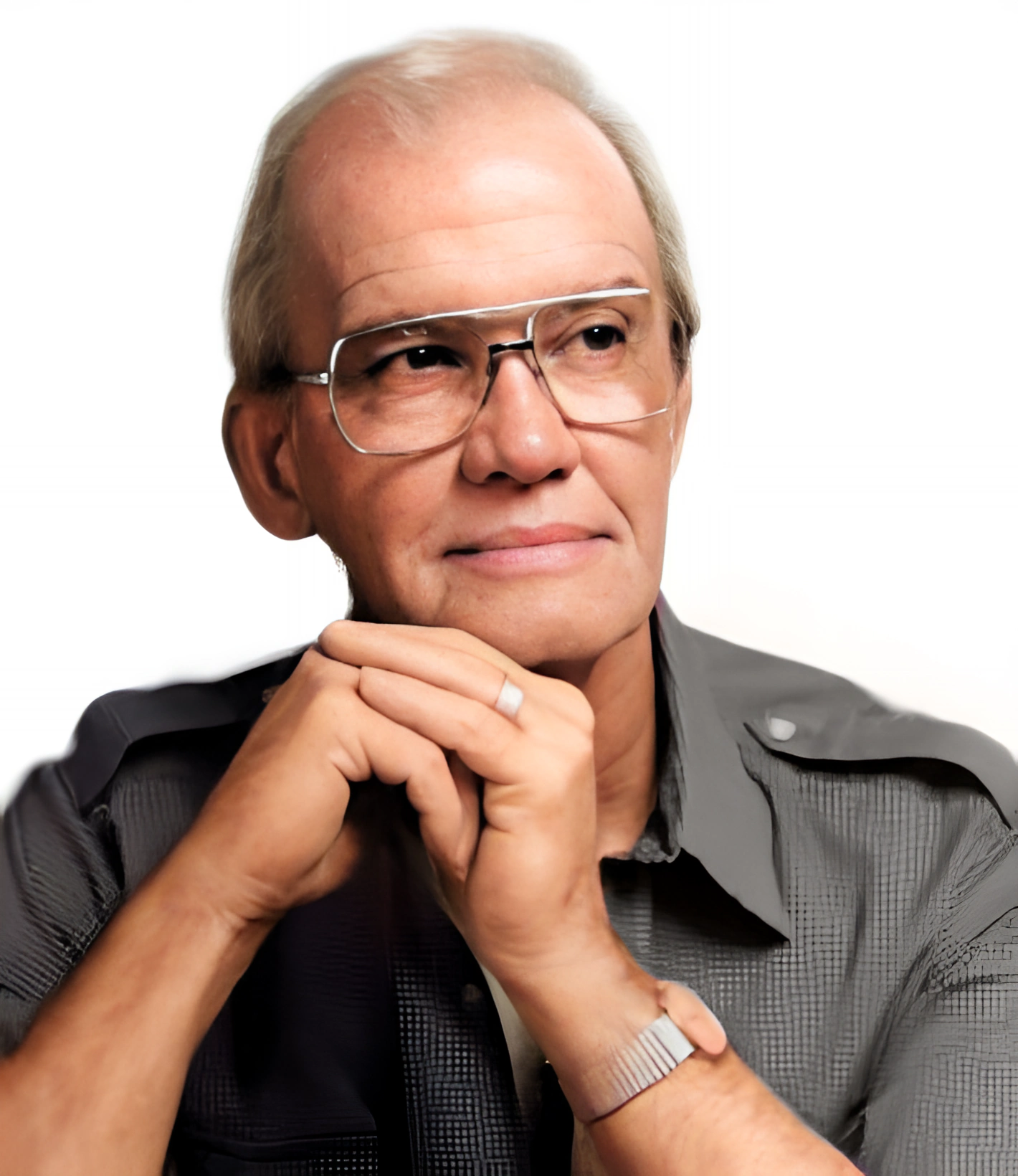
| 23 Quotes | |
| Born as | Augustine Mandino II |
| Occup. | Author |
| From | USA |
| Born | December 12, 1923 Framingham, Massachusetts |
| Died | September 3, 1996 Antrim, New Hampshire |
| Cause | Heart failure |
| Aged | 72 years |
| Cite | |
Citation Formats
APA Style (7th ed.)
Og mandino biography, facts and quotes. (2026, February 11). FixQuotes. https://fixquotes.com/authors/og-mandino/
Chicago Style
"Og Mandino biography, facts and quotes." FixQuotes. February 11, 2026. https://fixquotes.com/authors/og-mandino/.
MLA Style (9th ed.)
"Og Mandino biography, facts and quotes." FixQuotes, 11 Feb. 2026, https://fixquotes.com/authors/og-mandino/. Accessed 26 Mar. 2026.
Early Life and Background
Augustine "Og" Mandino II was born on December 12, 1923, in Framingham, Massachusetts, to an Italian-American family whose fortunes were closely tied to the rhythms of small-town New England. He grew up in the long shadow of the Great Depression, in a culture that prized thrift, churchgoing respectability, and the hard-won dignity of work. That environment gave him two lasting instincts that later defined his books: a suspicion of shortcuts and a faith that character could be built intentionally, one habit at a time.His inner life, however, was never simply the calm product of a steady upbringing. Like many of his generation, Mandino came of age as the Second World War rewired American expectations about duty, risk, and the fragility of plans. The distance between what he believed a man "should" be and what he sometimes felt himself to be - frightened, uncertain, hungry for meaning - would become the tension he mined as an author, translating private battles into public parables.
Education and Formative Influences
Mandino attended the University of New Hampshire before the war interrupted the trajectories of young men across the country; he later served as a bomber pilot in the U.S. Army Air Corps during World War II. The cockpit trained him in procedure, consequence, and the discipline of repeating the right actions under stress, while postwar America confronted him with a different test: how to live with memory and pressure when there was no mission plan. By the time he began writing in earnest, he had absorbed the era's moral vocabulary - duty, self-command, optimism as civic virtue - and was also acutely aware of what that vocabulary could hide: loneliness, shame, and the quiet drift into self-destruction.Career, Major Works, and Turning Points
After the war he entered sales and business life, but his fortunes collapsed; he later described a period of alcoholism and despair in which he contemplated suicide before an encounter with self-help literature and the example of writers such as Dale Carnegie helped reorient him toward deliberate self-change. Mandino rebuilt himself through reading, disciplined routines, and work in the publishing world, eventually becoming an editor and then a best-selling author. His breakthrough came with The Greatest Salesman in the World (1968), a parable framed as ancient scrolls that teach persistence, love, and habit formation; it became one of the most widely read motivational books of the 20th century. He followed with works including The Greatest Secret in the World, The Greatest Miracle in the World, and later books such as The Gift of Acabar, sustaining a career that blended inspirational fiction with practical exhortation, and he became known through lectures and audio programs that carried his voice - intimate, urgent, confessional - into millions of homes.Philosophy, Style, and Themes
Mandino wrote for readers who felt they had failed at the ordinary life they were expected to master. His central claim was that transformation is not an epiphany but a regimen: repeated words, repeated acts, repeated choices until a new identity solidifies. He offered morality without theological complexity and psychology without clinical jargon, translating personal recovery into a script others could rehearse. That script favored tenderness over conquest; he framed success as the byproduct of a repaired inner order, where self-respect, service, and consistency mattered more than flashes of brilliance.His best lines reveal a temperament that did not deny suffering so much as domesticate it into meaning. “I will love the light for it shows me the way, yet I will endure the darkness because it shows me the stars”. The sentence reads like a veteran's bargain with memory: pain is not romanticized, but it is pressed into purpose. His ethic is similarly incremental and anti-ego, insisting on lifelong apprenticeship rather than arrival: “Take the attitude of a student, never be too big to ask questions, never know too much to learn something new”. And beneath the parables sits a simple agricultural psychology aimed at the formerly hopeless - do not judge today by yesterday's damage; judge it by today's planting: “Always do your best. What you plant now, you will harvest later”. In Mandino's world, the self is a field, and mercy is practical: start again, keep tending.
Legacy and Influence
Mandino died on September 3, 1996, in the United States, leaving behind a body of work that helped define the modern motivational canon: short, repeatable principles packaged as story, prayer, or vow. Critics sometimes faulted the simplicity, but his endurance comes from the specificity of his audience - men and women trying to climb back from addiction, depression, or quiet disgrace - and from the credibility of a writer who never pretended the climb was theoretical. Long after the sales seminars and paperback racks of the late 20th century, his books persist as tools for self-repair, read less as literature than as a companionable set of instructions from someone who had lived the consequences of not following them.Our collection contains 23 quotes written by Og, under the main topics: Motivational - Wisdom - Never Give Up - Love - Live in the Moment.
Other people related to Og: Ben Sweetland (Author)
Og Mandino Famous Works
- 1993 The Twelfth Angel (Book)
- 1990 A Better Way to Live (Book)
- 1986 The Choice (Book)
- 1975 The Greatest Miracle in the World (Book)
- 1968 The Greatest Salesman in the World (Book)
Source / external links