
Oksana Baiul Biography Quotes 22 Report mistakes
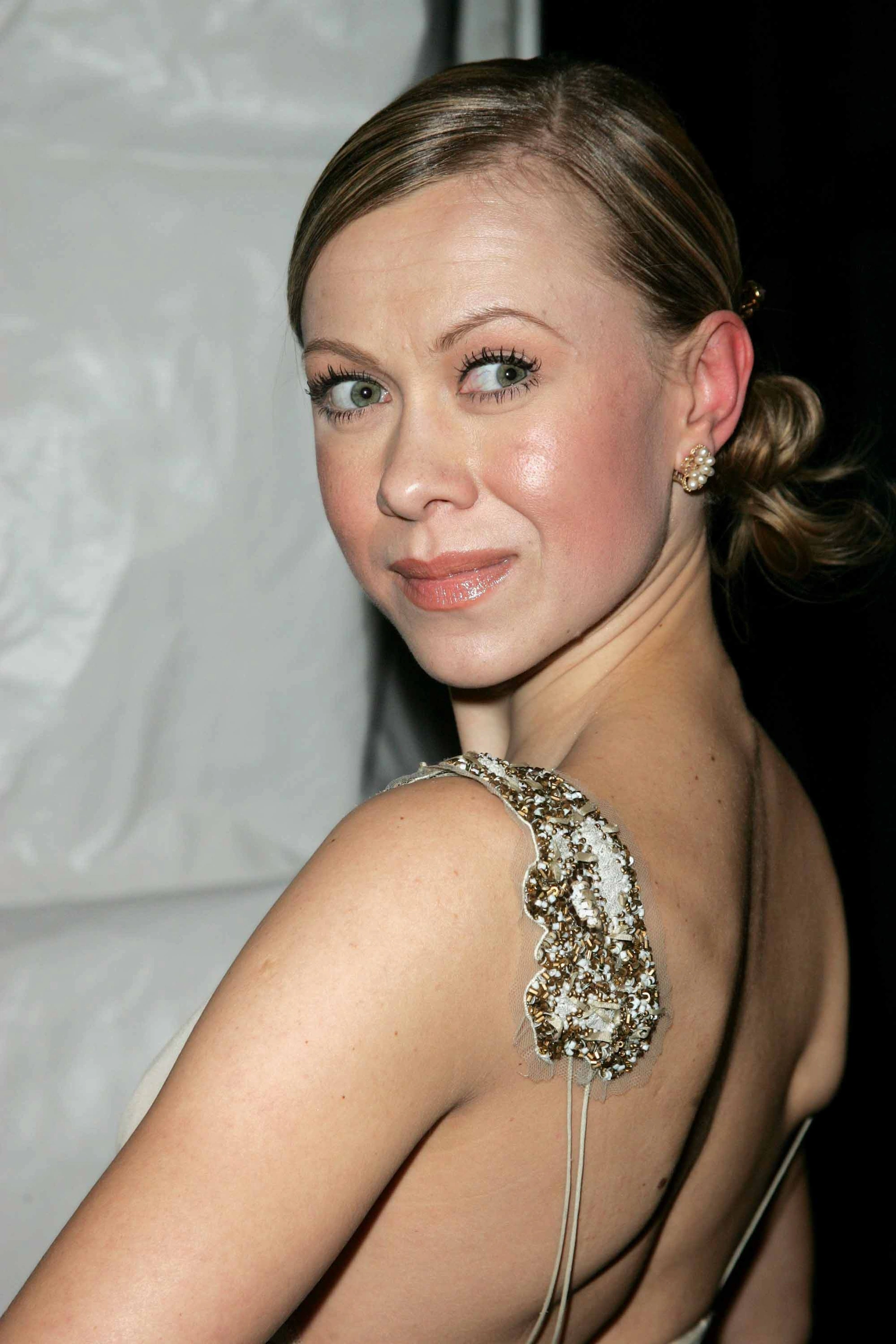
| 22 Quotes | |
| Born as | Oksana Serhiyivna Baiul |
| Occup. | Athlete |
| From | USA |
| Born | November 16, 1977 Dnipropetrovsk, Ukrainian SSR, USSR |
| Age | 48 years |
| Cite | |
Citation Formats
APA Style (7th ed.)
Oksana baiul biography, facts and quotes. (2026, February 11). FixQuotes. https://fixquotes.com/authors/oksana-baiul/
Chicago Style
"Oksana Baiul biography, facts and quotes." FixQuotes. February 11, 2026. https://fixquotes.com/authors/oksana-baiul/.
MLA Style (9th ed.)
"Oksana Baiul biography, facts and quotes." FixQuotes, 11 Feb. 2026, https://fixquotes.com/authors/oksana-baiul/. Accessed 4 Mar. 2026.
Early Life and Background
Oksana Serhiyivna Baiul was born on November 16, 1977, in Dnipropetrovsk, Ukrainian SSR (now Dnipro, Ukraine), in the last, fraying decade of the Soviet Union. Her childhood was shaped by instability and loss. Her parents separated when she was young; her mother, Maryna, became the center of her world and the person who made skating possible in an economy that rarely indulged private dreams.Tragedy arrived early and stayed. Baiul lost her mother in 1991, when Oksana was thirteen, leaving her effectively without family at the precise moment the USSR collapsed and independent Ukraine faced social and material upheaval. Skating became both refuge and discipline - a place where grief could be translated into work, and where elegance on the ice could stand in for the security she no longer had off it.
Education and Formative Influences
Baiul trained through the Soviet-to-Ukrainian transition in state sport schools that prized repetition, stoicism, and competitive readiness, moving within Ukraine to pursue stronger coaching and ice time. In Odesa she came under the guidance of Galina Zmievskaya and later Viktor Petrenko and his coach group, inheriting a lineage of Ukrainian artistry that valued carriage, musical phrasing, and emotional projection as much as technical content. These years formed her as a skater whose identity was inseparable from performance - a gift that also made the arena feel like the only stable home she could count on.Career, Major Works, and Turning Points
Her ascent was meteoric: European champion in 1993 and, months later, Olympic champion at Lillehammer in 1994, where she delivered an uncommonly lyrical free skate under crushing expectation and in the shadow of Nancy Kerrigan and Tonya Harding's media-saturated scandal. The gold medal made her the first Olympic champion representing independent Ukraine in figure skating, turning her into a symbol for a new nation and a global celebrity at sixteen. She turned professional soon after, joining touring productions such as Champions on Ice, and her story took a harder American turn: fame, relocation, and repeated scrutiny after legal and personal difficulties, including a widely reported 1997 car accident. In later years she built a quieter career around exhibitions, coaching-adjacent mentoring, and occasional returns to public life on her own terms.Philosophy, Style, and Themes
Baiul's skating was never merely athletic display; it was confession in choreography. She became emblematic of 1990s ladies' figure skating - when programs still made room for breath, line, and vulnerability, and when a skater could win by making judges believe. Yet behind the lyricism was a young woman managing performance anxiety and the burden of being "the brave one" for audiences who did not see the private cost. Her own diagnosis of what went wrong under pressure is unusually candid: “My weaknesses are my jumps. The reason is that although I land them in practice, when I actually compete or perform, I should let my body go and stabilize my mind better. Also, I need to work on not letting negative thoughts and emotions get to me on the ice”. The sentence reads like a psychological blueprint - a mind that can overcontrol the body, a heart that can flood the blade with memory, and a perfectionism that turns feeling into interference.Fame, for Baiul, was not a soft landing but another kind of orphaning - being known widely while remaining unknown personally. “Olympic Gold changed me and my life dramatically. I became a celebrity overnight and people see me as a famous skater, not a real person”. That split between icon and self helps explain her later protectiveness about autonomy, her uneven relationship with institutions, and her preference for settings where performance could be offered without the courtroom glare of judging panels. It also clarifies why she repeatedly defined her public life in terms of direct, almost filial reciprocity with supporters: “I don't care what the critics say or think because I care for and love my fans”. In Baiul's world, the audience is not a market but a substitute community - the place where she can be received without being measured.
Legacy and Influence
Baiul endures as one of the defining athletes of post-Soviet sport: a teenage Olympic champion who carried personal bereavement and national expectation into a single, incandescent season, and whose story warned how quickly triumph can become exposure. In skating history she stands for the power of musicality and emotional risk, a reminder that technique alone cannot explain why certain programs become folklore. For Ukraine, her 1994 victory remains a cultural milestone; for the wider public, her life has become a case study in what happens when childhood hardship, sudden celebrity, and a demanding aesthetic sport collide - and how an artist-athlete can keep returning to the ice to translate pain into line, edge, and song.Our collection contains 22 quotes written by Oksana, under the main topics: Witty One-Liners - Art - Love - Sports - Change.
Other people related to Oksana: Nancy Kerrigan (Athlete)
Source / external links