
Olga Korbut Biography Quotes 24 Report mistakes
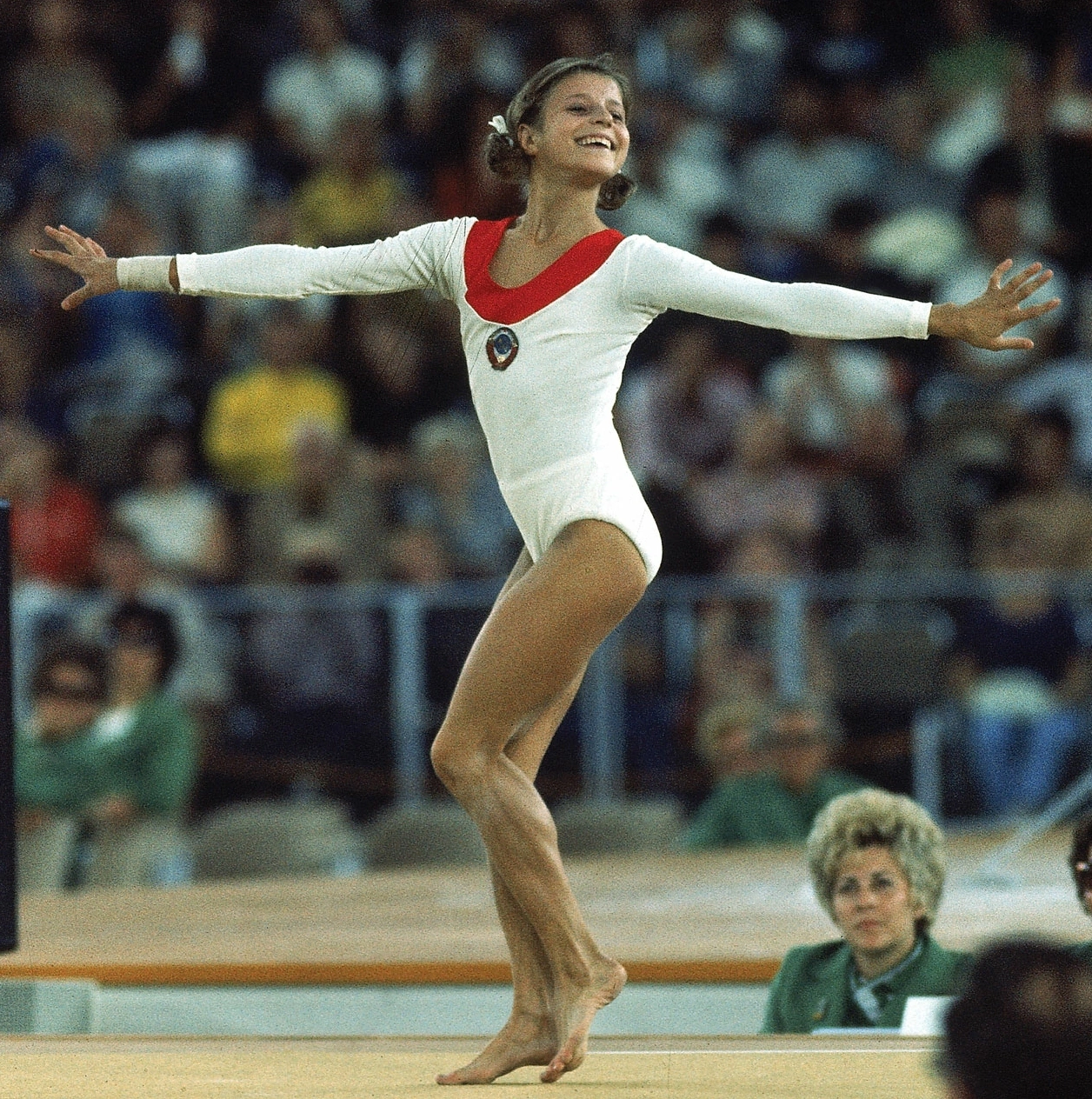
| 24 Quotes | |
| Born as | Olga Valentinovna Korbut |
| Occup. | Athlete |
| From | Russia |
| Born | May 16, 1955 Hrodna, then in Byelorussian SSR, Soviet Union |
| Age | 70 years |
| Cite | |
Citation Formats
APA Style (7th ed.)
Olga korbut biography, facts and quotes. (2026, February 11). FixQuotes. https://fixquotes.com/authors/olga-korbut/
Chicago Style
"Olga Korbut biography, facts and quotes." FixQuotes. February 11, 2026. https://fixquotes.com/authors/olga-korbut/.
MLA Style (9th ed.)
"Olga Korbut biography, facts and quotes." FixQuotes, 11 Feb. 2026, https://fixquotes.com/authors/olga-korbut/. Accessed 25 Mar. 2026.
Early Life and Background
Olga Valentinovna Korbut was born on May 16, 1955, in Grodno, then in the Byelorussian Soviet Socialist Republic of the USSR (today Belarus, often loosely filed under "Russia" in Western memory because she competed for the Soviet Union). She grew up in the late-Stalin and post-Stalin decades, when sport was both personal aspiration and state project: a pipeline from provincial towns to centralized schools, designed to convert raw talent into international proof of Soviet vitality.Her childhood was marked by the mixture that defined many Soviet athletes of her generation - modest material life, strict discipline, and an early narrowing of horizons. Gymnastics offered a paradoxical kind of freedom: within an authoritarian system, the gym was one of the few places where a small, daring child could be noticed, promoted, and turned into a national story. Korbut's compact stature and fearless attack on skills made her stand out in a sport increasingly shaped by acrobatics, media spectacle, and geopolitical symbolism.
Education and Formative Influences
Korbut trained in the Soviet sports-school system and was shaped most decisively by coach Renald Knysh, whose Grodno program emphasized risk, originality, and performance presence as much as clean technique. In an era when the Soviet women's team projected choreographed composure, Knysh helped refine Korbut's more human register - expressive, vulnerable, and playful - without removing competitive hardness. The broader influence was institutional: endless repetitions, medical oversight, and the expectation that a gymnast's body and time belonged to the program, producing champions as reliably as factories produced steel.Career, Major Works, and Turning Points
Korbut became an international phenomenon at the 1972 Munich Olympics, winning gold on balance beam and floor exercise and contributing to the Soviet team title, plus silver on uneven bars; her daring release moves and dramatic falls-and-comebacks became global television. She returned at the 1976 Montreal Olympics to win another team gold and a second uneven bars silver, but the sport was already shifting toward even greater difficulty and younger champions, with Nadia Comaneci redefining the ceiling of precision. Korbut retired from elite competition in 1977, later living and working abroad; she became a coach and speaker, and in the post-Soviet era her life included financial strain, reinvention, and the long afterlife of being remembered as a symbol rather than a private person.Philosophy, Style, and Themes
Korbut's competitive style fused audacity with emotional transparency. Where many champions presented an untouchable mask, she allowed the audience to see strain, disappointment, and recovery, turning gymnastics into narrative rather than mere display. Her "Korbut Flip" on uneven bars (later banned) captured her core impulse: not simply to win, but to expand what the apparatus could mean on camera and in imagination, a move that helped shift women's gymnastics toward the airborne.The psychology in her own reflections circles around devotion, creation, and the craving to be needed. “I think this is all my life. Because if I was split gymnastics and something else like far, fun or to go with friends. No, this, you're supposed to one go, one straight road and to do every day. And touch the wall, of the goal”. That absolutism explains both the brilliance and the later void many retirees describe - the self built around a single road. Yet she also frames artistry as a survival need: “Finally I almost dropped gymnastics because I couldn't live without create, and you know, and then, all public in the world start to say, we don't want to see gymnastics without OLGA”. Beneath the bravado is a performer listening for belonging, seeking not only medals but an audience's recognition as a kind of home. Her value system, especially in hindsight, rejected simple material reward: “It's better to have a rich soul than to be rich”. That line reads as both moral claim and self-protection - a way to preserve dignity when fame and finances do not align.
Legacy and Influence
Korbut's enduring influence lies less in a list of skills than in the cultural template she helped create: the modern gymnast as a televised character, where athletic difficulty, facial expression, and vulnerability can coexist. She broadened the sport's emotional range, making it acceptable for a champion to look frightened, to fall, and to fight back in public - a shift that changed how audiences related to women's gymnastics across the Cold War divide. In the long arc from Soviet state spectacle to global entertainment, Korbut remains a pivotal figure: the athlete who made millions feel that the performance was happening not above them, but with them.Our collection contains 24 quotes written by Olga, under the main topics: Victory - Life - Sports - Training & Practice - Humility.
Source / external links