
Oliver Tambo Biography Quotes 7 Report mistakes
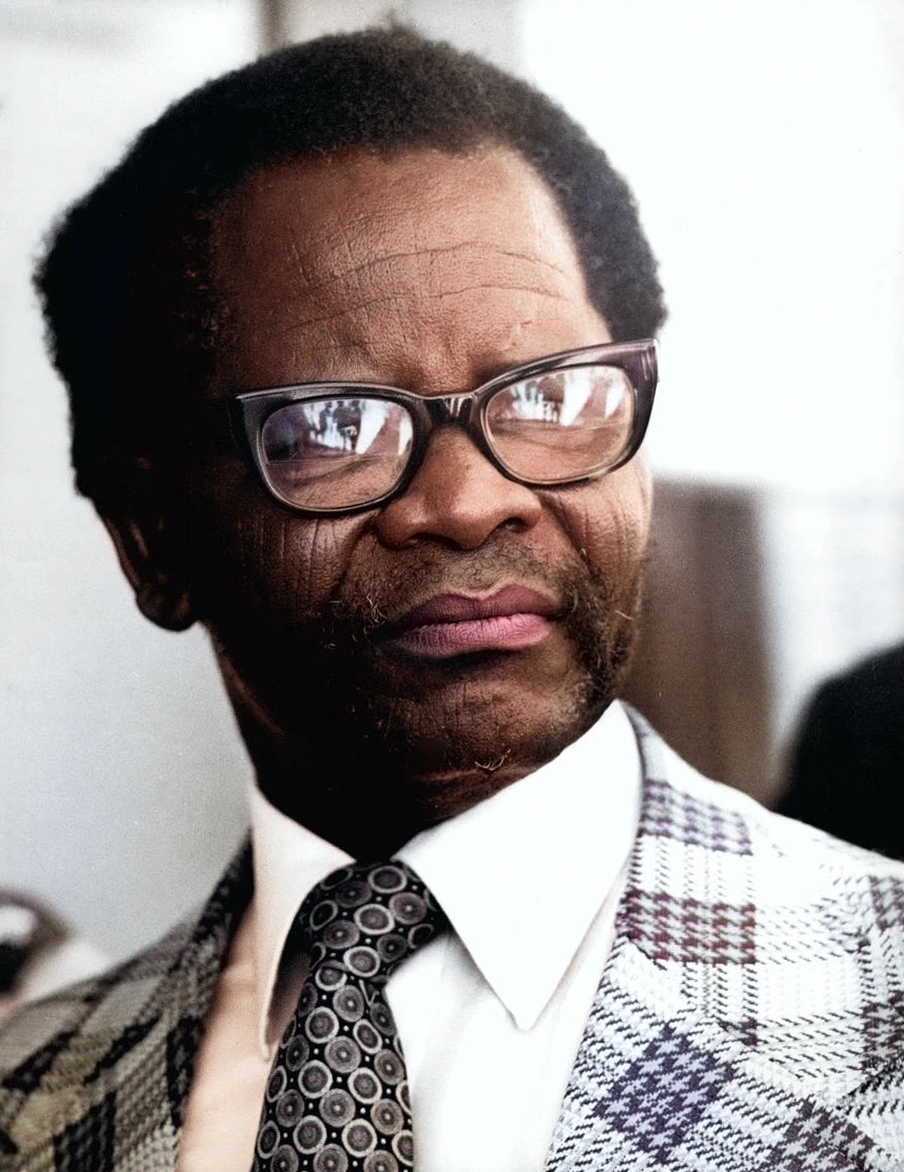
| 7 Quotes | |
| Born as | Oliver Reginald Tambo |
| Known as | O. R. Tambo |
| Occup. | Politician |
| From | South Africa |
| Spouse | Albertina Sisulu |
| Born | October 27, 1917 Bizana, Eastern Cape, South Africa |
| Died | April 24, 1993 Johannesburg, South Africa |
| Cause | Stroke |
| Aged | 75 years |
| Cite | |
Citation Formats
APA Style (7th ed.)
Oliver tambo biography, facts and quotes. (2026, February 11). FixQuotes. https://fixquotes.com/authors/oliver-tambo/
Chicago Style
"Oliver Tambo biography, facts and quotes." FixQuotes. February 11, 2026. https://fixquotes.com/authors/oliver-tambo/.
MLA Style (9th ed.)
"Oliver Tambo biography, facts and quotes." FixQuotes, 11 Feb. 2026, https://fixquotes.com/authors/oliver-tambo/. Accessed 12 Feb. 2026.
Early Life and Background
Oliver Reginald Tambo was born on 1917-10-27 in rural Pondoland in the Transkei, then a segregated hinterland of the Union of South Africa, where land hunger, migrant labor, and the daily humiliations of racial rule formed the background noise of childhood. His family belonged to the Christian, school-centered world that offered black South Africans one of the few ladders into professional life, even as the state tightened the color bar and the economy pulled men to the mines and cities.From early on he was noted for quiet authority rather than theatrical charisma - a temperament that later made him the ANC's anchor in exile. The young Tambo absorbed both the discipline of mission education and the ache of a people treated as a labor reservoir, learning to translate private grievance into public duty. That inward steadiness, paired with moral clarity, would become his signature: a leader who listened, built consensus, and endured.
Education and Formative Influences
Tambo attended mission schools and won entry to Fort Hare University College, the premier institution for black elites, where he studied science and mathematics and encountered a rising generation of African nationalists, including Nelson Mandela and Walter Sisulu. At Fort Hare in the early 1940s, student politics sharpened his sense that apartheid was not merely prejudice but a system, and that organization - not complaint - was the path to dignity; a student strike led to his expulsion, turning academic promise into political vocation and pushing him toward teaching and then law as instruments of service.Career, Major Works, and Turning Points
In Johannesburg Tambo helped found the ANC Youth League in 1944, arguing for mass mobilization against segregation; in the 1950s he and Mandela opened South Africa's first black law partnership, Mandela and Tambo, counseling township clients battered by pass laws and police power. After the Sharpeville massacre and the banning of the ANC (1960), he was sent abroad to build international support; when many leaders were imprisoned after Rivonia (1963-1964), Tambo effectively became the movement's external commander, later serving as acting president and then president of the ANC (1967-1991). He professionalized the exile apparatus, cultivated frontline African states, built ties to the UN, Nordic governments, the Non-Aligned Movement, and the Eastern bloc, and defended the legitimacy of armed struggle while keeping diplomacy central. Health crises, including a stroke in 1989, forced partial withdrawal, but he returned to South Africa in 1990 after unbanning and helped guide the organization toward negotiation before his death on 1993-04-24.Philosophy, Style, and Themes
Tambo's political imagination fused moral universalism with hard analysis of power. He spoke as a Christian humanist who nevertheless understood that apartheid was sustained by profit, policing, and geopolitics; he insisted that race rule and economic structure were inseparable, not parallel evils but one machine. "Racial discrimination, South Africa's economic power, its oppression and exploitation of all the black peoples, are part and parcel of the same thing". The sentence reveals his psychology: patient, systemic, and unwilling to reduce suffering to sentiment. It also explains his strategic emphasis on sanctions and isolation as levers that could move seemingly immovable rulers.His style was conciliatory without being soft, built on the belief that a liberated South Africa had to be governable the day after victory. "We have a vision of South Africa in which black and white shall live and work together as equals in conditions of peace and prosperity". Yet his optimism was disciplined by endurance rather than fantasy, the mindset of a man who spent three decades in hotels, offices, and refugee camps, holding together quarrelsome cadres and traumatized youth. "The fight for freedom must go on until it is won; until our country is free and happy and peaceful as part of the community of man, we cannot rest". In exile he became the movement's conscience and caretaker, balancing secrecy with accountability, sustaining morale while acknowledging costs, and framing liberation as entry into a shared human order rather than revenge.
Legacy and Influence
Tambo's enduring influence lies less in a single speech than in institutional architecture: he kept the ANC intact through bannings, prison sentences, assassinations, infiltration, and Cold War manipulation, and he internationalized South Africa's crisis until apartheid became diplomatically toxic. By marrying nonracial ideals to pragmatic coalition-building, he helped make a negotiated transition conceivable and legitimate, leaving a template for political leadership that is steady, ethical, and strategically literate - a reminder that revolutions are often won by administrators of hope as much as by tribunes of anger.Our collection contains 7 quotes written by Oliver, under the main topics: Freedom - Equality - Human Rights.
Other people related to Oliver: Nelson Mandela (Statesman), Thabo Mbeki (Statesman), Bram Fischer (Lawyer), Joe Slovo (Politician)
Source / external links