
Ovid Biography Quotes 88 Report mistakes
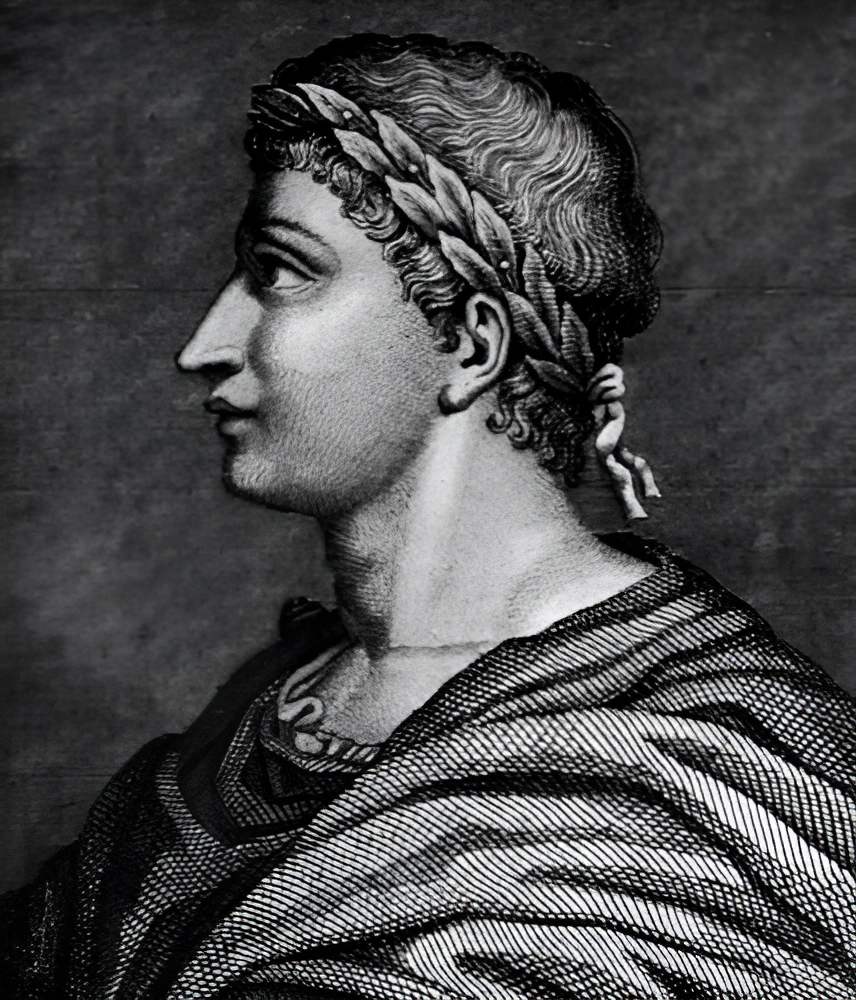
| 88 Quotes | |
| Occup. | Poet |
| From | Rome |
| Born | 43 BC |
| Died | 18 AC |
| Cite | |
Citation Formats
APA Style (7th ed.)
Ovid biography, facts and quotes. (2026, February 11). FixQuotes. https://fixquotes.com/authors/ovid/
Chicago Style
"Ovid biography, facts and quotes." FixQuotes. February 11, 2026. https://fixquotes.com/authors/ovid/.
MLA Style (9th ed.)
"Ovid biography, facts and quotes." FixQuotes, 11 Feb. 2026, https://fixquotes.com/authors/ovid/. Accessed 27 Mar. 2026.
Early Life and Background
Publius Ovidius Naso was born on March 20, 43 BCE, in Sulmo in the Apennines, east of Rome, into a prosperous equestrian family. He came of age in the aftershock of civil war, when the Republic's old freedoms were collapsing into the new, carefully managed order of Augustus. That transition mattered: Ovid belonged to the first generation for whom the principate was not an emergency measure but the air of daily life - with its rewards for talent, and its invisible limits.From the start he was pulled between a family's expectation of public service and a temperament suited to performance, wit, and narrative invention. In later autobiography he remembers that verse arrived almost against his will, as if the line itself were his native speech. This sense of destiny would harden into a lifelong habit of testing boundaries - social, erotic, and artistic - while insisting, with a poet's smile, that he was merely describing what everyone already did.
Education and Formative Influences
Ovid was educated in Rome in rhetoric, the training ground for law and politics, studying under celebrated teachers such as Arellius Fuscus and Porcius Latro, and then traveling in Greece and Asia Minor in the customary finishing tour for elite youths. Yet he found forensic eloquence too heavy and slow for his instincts; the declaimer's set-piece became, in his hands, a miniature drama. He absorbed the technical polish of Latin elegy from predecessors like Propertius and Tibullus, admired Virgil and Horace as state-adjacent masters, and learned the Augustan lesson that literature was both a path to patronage and a potential liability.Career, Major Works, and Turning Points
He began with love elegy: the Amores established his voice as playful, self-aware, and theatrically intimate, and the single-heroine letters of the Heroides expanded that intimacy into ventriloquized myth, giving abandoned women the persuasive rhetoric of the schools. The Ars Amatoria and Remedia Amoris turned erotic experience into a system of tactics, scandalously close to satire of Augustan moral legislation. Around 8 CE, at the height of his fame, Augustus banished him to Tomis on the Black Sea (modern Constanta, Romania) for a "carmen et error" - a poem and a mistake - usually linked to the Ars and to some untold involvement in court scandal. Exile shattered his career in Rome but generated its own canon: the Tristia and Epistulae ex Ponto, letters in verse pleading for recall, while the Metamorphoses and the Fasti (left unfinished) carried his Roman achievement into the provinces and into posterity. He died in exile around 17-18 CE, likely never returning to Italy.Philosophy, Style, and Themes
Ovid's inner life is best approached through his art's double consciousness. He is the poet of pleasure who cannot help anatomizing its cost: “There is no such thing as pure pleasure; some anxiety always goes with it”. That sentence reads like a psychological self-diagnosis - desire as both engine and disturbance, comedy shadowed by dread of loss, exposure, or boredom. His love poetry turns the self into a strategist, always narrating its own performance; he is candid that seduction is theater, and more candid still that the theater changes the actor. The famous urbanity is therefore not mere lightness but a defense: wit as a way to hold power, shame, and longing at arm's length.Formally, he perfected a style of relentless motion - swift transitions, clipped couplets, and stories that open into stories as if attention itself were metamorphosis. In the Metamorphoses, change is the rule of the cosmos and the alibi of the artist: gods disguise themselves, bodies turn into trees, stones, birds, and constellations, and narrative sympathy slides across victims and perpetrators with unsettling ease. He understood that technique can both reveal and deceive, a principle he states with almost chilling clarity: “Art lies by its own artifice”. Exile deepened rather than erased these themes. The Tristia insist on endurance, but also on the slow, humiliating temporality of waiting; hope becomes a daily discipline: “Endure and persist; this pain will turn to good by and by”. His late voice is less playful, more nakedly self-justifying, yet still fundamentally Ovidian - reshaping catastrophe into language as the last remaining form of agency.
Legacy and Influence
Ovid became the West's great supplier of myth as psychological narrative: medieval moralizers, Renaissance painters, and Shakespearean dramatists mined the Metamorphoses for plots and for a vocabulary of desire, violation, and transformation. His elegiac persona helped define European love poetry, while his exilic self-portrait anticipated later literature of displacement and censorship. More broadly, he endures as the poet who exposed how power works through stories - and how stories, in turn, can outlast power, turning even a sentence of banishment into a world literature of change.Our collection contains 88 quotes written by Ovid, under the main topics: Motivational - Ethics & Morality - Truth - Wisdom - Art.
Ovid Famous Works
- 10 Epistulae ex Ponto (Book)
- 9 Ibis (Book)
- 8 Tristia (Book)
- -1 Ars Amatoria (Book)
- -2 Remedia Amoris (Book)
- -8 Metamorphoses (Book)
- -16 Amores (Book)
- -25 Heroides (Book)
- -25 Medicamina Faciei Femineae (Book)
Source / external links