
Owen Glendower Biography Quotes 3 Report mistakes
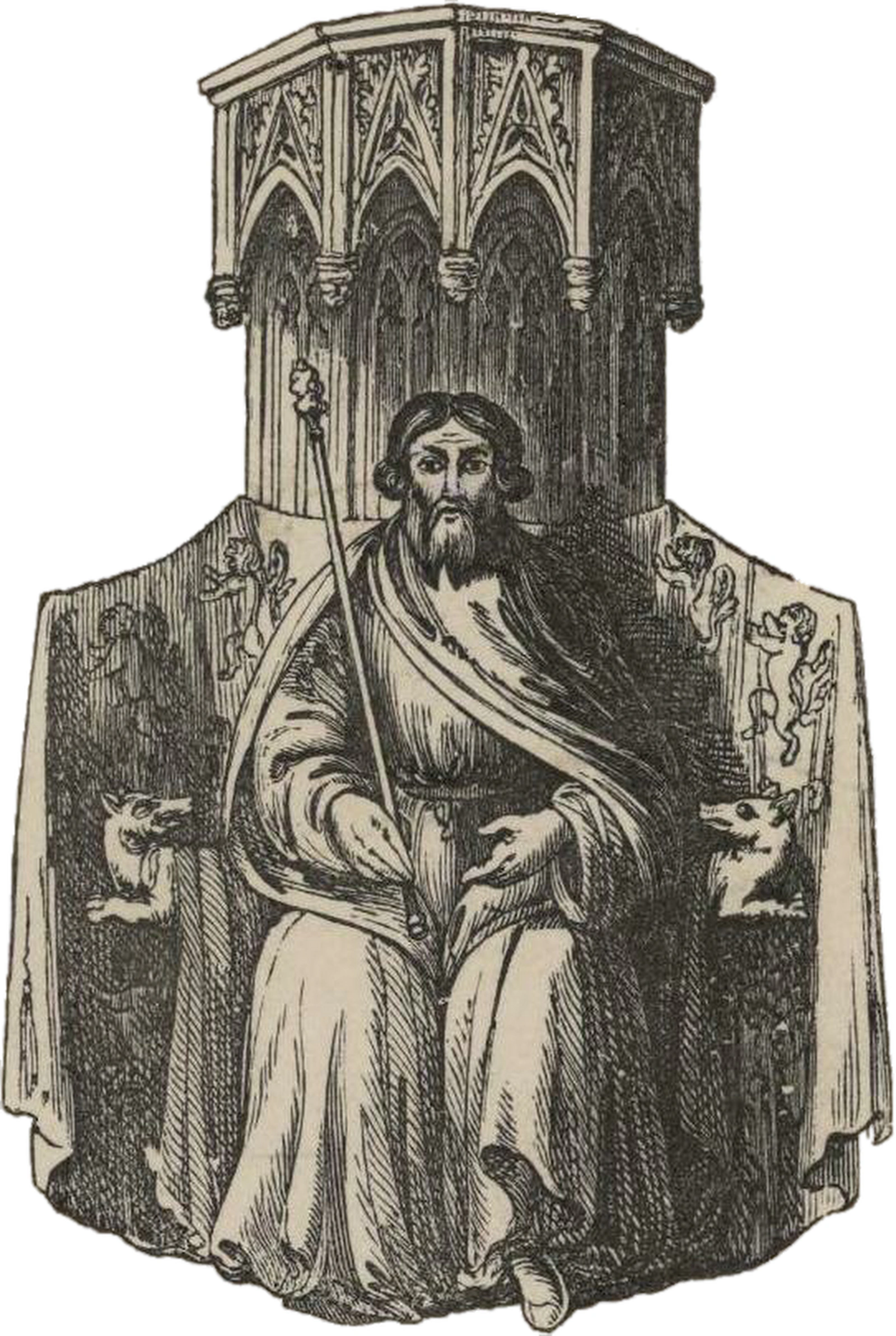
Attr: Jr8825, CC BY-SA 4.0
| 3 Quotes | |
| Born as | Owain ap Gruffydd |
| Known as | Owain Glyndwr |
| Occup. | Royalty |
| From | Welsh |
| Born | January 1, 1359 Wales |
| Died | January 1, 1416 Wales |
| Cause | Natural Causes |
| Aged | 57 years |
| Cite | |
Citation Formats
APA Style (7th ed.)
Owen glendower biography, facts and quotes. (2026, February 11). FixQuotes. https://fixquotes.com/authors/owen-glendower/
Chicago Style
"Owen Glendower biography, facts and quotes." FixQuotes. February 11, 2026. https://fixquotes.com/authors/owen-glendower/.
MLA Style (9th ed.)
"Owen Glendower biography, facts and quotes." FixQuotes, 11 Feb. 2026, https://fixquotes.com/authors/owen-glendower/. Accessed 5 Mar. 2026.
Origins and Early Life
Owain ap Gruffydd, remembered in English as Owen Glendower and in Welsh as Owain Glyndwr, was born around 1359 into the native gentry of northeast and central Wales. His lineage connected him to the old princely houses of Wales, though he was not born to a reigning dynasty. He grew to maturity amid the Marcher lordships along the border with England, holding estates at Sycharth and Glyndyfrdwy. The poet Iolo Goch celebrated Sycharth as a hospitable court, evoking a cultivated household where music, poetry, and generous patronage flourished. Owain married Margaret (Marged) Hanmer, daughter of Sir David Hanmer, a distinguished Welsh judge who had risen in the royal courts; the alliance anchored Owain among families skilled in both arms and law.Service and Standing before 1400
Before rebellion defined his life, Owain served the English crown under King Richard II. He and other Welshmen took part in northern campaigns, including expeditions against Scotland in the mid-1380s, and he moved within the orbit of powerful Marcher magnates along the frontier. Such service brought status and responsibilities typical of a landed gentleman. He developed a reputation as a competent leader and a man used to navigating the entanglements of law, custom, and feudal authority that structured life in the Marches.Rising and the Claim to Wales
The crisis that transformed Owain into a national leader grew from local grievance. After Henry Bolingbroke overthrew Richard II in 1399 and became King Henry IV, Owain fell into a hard-fought dispute with Reginald Grey of Ruthin. When royal favor turned sharply against him, the conflict escalated. In September 1400 Owain was proclaimed Prince of Wales (Tywysog Cymru), asserting a title not used successfully since the fall of the native princes. Early actions targeted towns and garrisons aligned with Grey and other opponents; Ruthin and neighboring settlements felt the shock of the uprising. In 1401 his supporters Rhys ap Tudur and Gwilym ap Tudur seized Conwy Castle by stratagem, a dramatic signal that the rebellion had spread along the north coast. That year also brought victory at Mynydd Hyddgen, where Owain's smaller force overcame a larger column in mid-Wales, energizing recruitment and morale.Alliances, Government, and Vision
Owain's revolt widened into a war for Welsh autonomy. In June 1402 he won a major battle at Bryn Glas (Pilleth), where English forces under Sir Edmund Mortimer were defeated and Mortimer taken prisoner. Mortimer subsequently allied himself with Owain, a step entwined with family politics around the Mortimer claim to the English throne. Soon after, Mortimer married Owain's daughter Catrin, knitting the two houses together. The Mortimer connection dovetailed with unrest in northern England, where Henry "Hotspur" Percy and his father, the Earl of Northumberland, rose against Henry IV; although Hotspur fell at Shrewsbury in 1403, the network of alliance mattered.Owain built institutions to match his claim. In 1404 he convened an assembly at Machynlleth that functioned as a Welsh parliament, and Harlech became the seat of a court that issued letters under his great seal. He relied on able lieutenants such as Rhys Gethin in the field and the cleric-statesman Gruffudd Young, who helped articulate a program for governance and diplomacy. Owain reached out to France for support, and by 1404, 1405 a formal alliance took shape. In 1405 he joined Edmund Mortimer and the Earl of Northumberland in the Tripartite Indenture, a plan to divide England and Wales among them if their cause prevailed. His correspondence, notably the Pennal Letter of 1406 to the French king, set out ambitions for an independent Welsh church and new centers of learning in Wales, revealing a vision that extended beyond battlefield success.
War, Counteroffensive, and Fall
Despite early advances, the strategic balance shifted. Henry IV and his son, Prince Henry (the future Henry V), mounted sustained campaigns, building and supplying garrisons, pressing sieges, and seeking to isolate Owain's supporters. The war grew brutal and attritional, with devastation on both sides of the border. Defeats at key moments weakened Owain's position; in 1405, fighting near Usk, Welsh losses were heavy, and momentum ebbed. By 1407, 1409 Prince Henry's methodical pressure told. Aberystwyth fell after a long siege, and in 1409 Harlech Castle was taken. Owain's wife Margaret and several of his children, including Catrin, were captured and sent to England; Catrin later died in London. His son Gruffudd was also taken and died in the Tower of London by 1412. Welsh loyalists of the crown, including figures such as Dafydd Gam, fought persistently against him, as did prominent Marcher lords tied to the regime.Owain avoided capture, slipping through uplands and woods with small companies, still dangerous but increasingly cut off. He appeared intermittently in the record, conducting raids and seeking openings, while Prince Henry consolidated control. French aid waned as wider European priorities shifted, and the rebellion lost the external support that once made it formidable.
Final Years and Legacy
After Henry V's accession in 1413, offers of pardon were extended to former rebels. Some of Owain's followers accepted terms in the years that followed; his son Maredudd would eventually submit. Owain himself did not reenter public life. He likely died around 1415, 1416, the place unknown. Later tradition holds that he found refuge among relatives, possibly with his daughter Alys and her husband Sir John Scudamore on the Herefordshire border, but the circumstances of his death and burial remain unconfirmed.Owain Glyndwr's career reshaped the political and cultural landscape of Wales. He asserted a native vision of sovereignty, convened parliaments, articulated plans for a Welsh church and universities, and for a time coordinated diplomacy from Harlech with allies as prominent as Edmund Mortimer and the Percy family. His adversaries, especially Henry IV and Prince Henry, responded with organization and persistence that ultimately wore down the revolt. Chroniclers such as Adam of Usk and the later dramatist William Shakespeare fixed "Owen Glendower" in wider British memory, sometimes through legend rather than strict chronicle. In Wales, poets and later historians preserved a more intimate image: the lord of Sycharth praised by Iolo Goch, the commander who rallied communities from the Tywi to the Dee, and the claimant who revived the title Prince of Wales in defiance of the new Lancastrian monarchy. His life stands at the hinge between the medieval principality that had been and a later national idea that would endure.
Our collection contains 3 quotes written by Owen, under the main topics: Truth - Prayer.
Other people related to Owen: Henry Bolingbroke (Royalty)
Source / external links