
Øystein Stray Spetalen Biography Quotes 10 Report mistakes
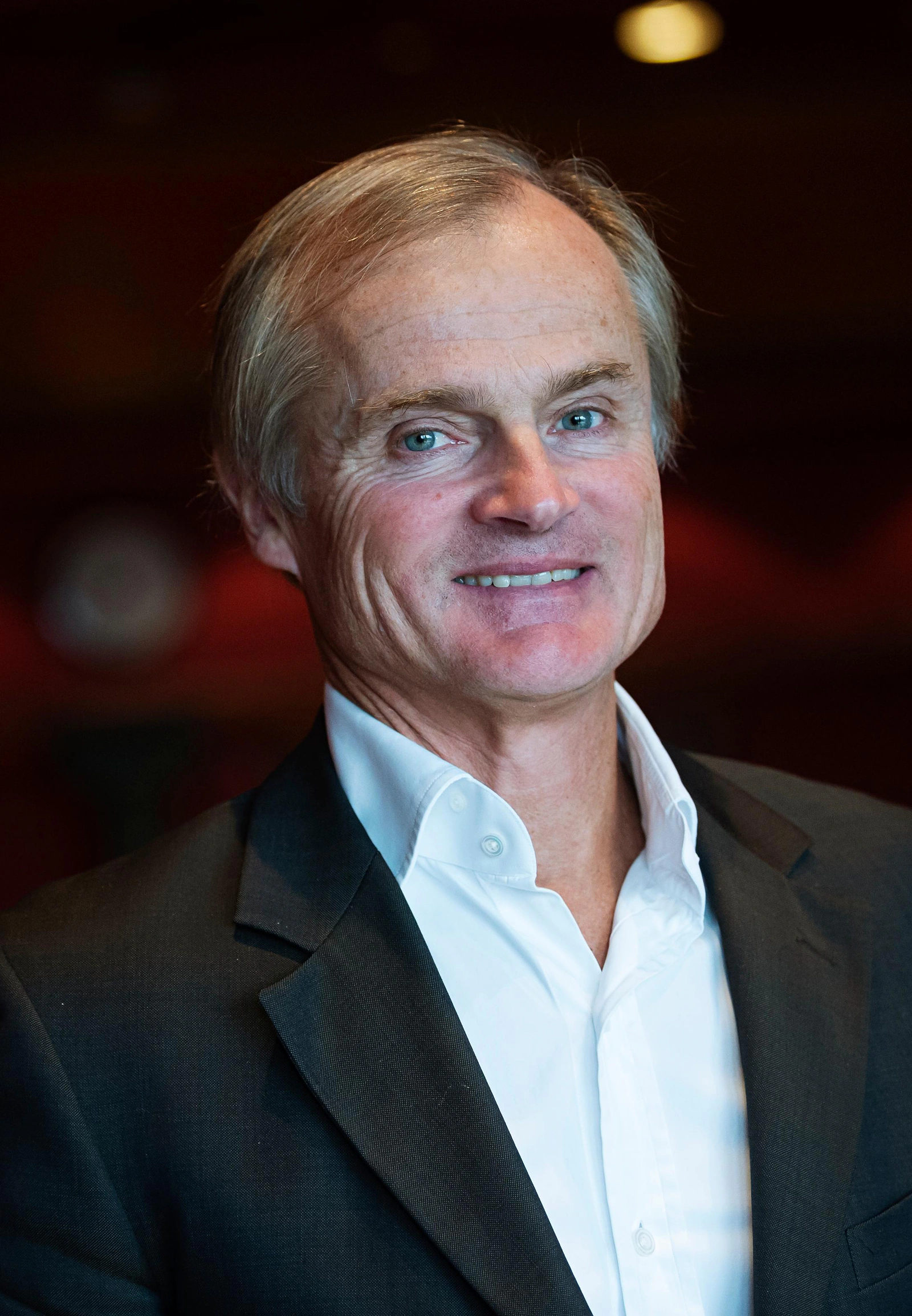
| 10 Quotes | |
| Occup. | Businessman |
| From | Norway |
| Born | July 17, 1962 Porsgrunn, Telemark, Norway |
| Age | 63 years |
| Cite | |
Citation Formats
APA Style (7th ed.)
Øystein stray spetalen biography, facts and quotes. (2026, February 11). FixQuotes. https://fixquotes.com/authors/oystein-stray-spetalen/
Chicago Style
"Øystein Stray Spetalen biography, facts and quotes." FixQuotes. February 11, 2026. https://fixquotes.com/authors/oystein-stray-spetalen/.
MLA Style (9th ed.)
"Øystein Stray Spetalen biography, facts and quotes." FixQuotes, 11 Feb. 2026, https://fixquotes.com/authors/oystein-stray-spetalen/. Accessed 27 Mar. 2026.
Early Life and Background
Oystein Stray Spetalen was born on July 17, 1962, in Norway, into a postwar society that had already begun to fuse maritime trade, hydro power, and an emerging oil economy into a distinct national capitalism. He came of age as North Sea petroleum revenues and Oslo finance matured in tandem, reshaping class patterns and expectations: fortunes could be made not only by owning ships or factories, but by understanding markets, cycles, and risk. That generational timing mattered. Spetalen belonged to the cohort for whom the stock exchange, the tanker market, and the new language of corporate deals were no longer distant abstractions but plausible instruments of personal agency.Publicly, he later cultivated a reputation for candor and impatience with complacency, the kind of personality Norway both critiques and secretly admires - a country that prizes consensus yet rewards competence. Biographically, the more revealing tension is between the Norwegian ideal of moderation and the investor-operators instinct to concentrate bets. His adult persona suggests a mind trained to scan for asymmetry: where a small, disciplined move can unlock a larger revaluation, and where sentiment can be exploited precisely because it is social and therefore slow.
Education and Formative Influences
Spetalen studied at the Norwegian School of Economics (NHH) in Bergen, an institution central to Norway's modern managerial class and shaped by both Anglo-American finance theory and the practical demands of a resource economy. The 1980s and early 1990s were formative: deregulation, privatization, and the globalization of capital made financial technique newly powerful, while Norway's own banking turbulence and cycles in shipping and energy made risk not a classroom concept but a lived national memory. This blend of theory and volatility helped form a style that treated balance sheets as narratives about behavior - incentives, fear, leverage, and timing.Career, Major Works, and Turning Points
Spetalen became best known as a Norwegian investor and businessman active across shipping, offshore and energy-adjacent ventures, and listed equities, with a dealmaker's preference for situations where ownership structure and capital discipline mattered as much as product. Over time he built a profile as an engaged shareholder and serial entrepreneur-investor, willing to enter unpopular sectors when valuations were distressed and to exit when optimism returned. His turning points tended to follow macro shifts: oil-price cycles, credit conditions, and the periodic repricing of maritime and offshore assets. In Norwegian business culture, where understatement is common, he stood out for making the logic of markets speak plainly - sometimes abrasively - and for treating public debate as part of capital allocation.Philosophy, Style, and Themes
Spetalen's inner life, as inferred from his public statements and repeated strategic choices, revolves around agency: the belief that outcomes can be engineered by clarity, discipline, and a tolerance for discomfort. “Success is not about luck, it's about having a clear vision and working towards it every day”. That sentence reads less like inspiration than self-diagnosis - an attempt to domesticate uncertainty by turning it into routine. He has often behaved as if emotional steadiness is a competitive advantage: build process, do the work, accept volatility without self-dramatization, and treat setbacks as information rather than moral verdicts.His style also contains a contrarian pedagogical streak, a desire to puncture what he sees as professional mystification. “Investing is all about taking calculated risks and being disciplined with your strategy”. In practice that suggests a dislike of narrative-only investing and a preference for measurable edge: capital structure, liquidity, cyclicality, and incentives. The sharpness can turn polemical, as in his critique of technocratic overconfidence: “Part of the problem is that economists can't do math. That's why banks fail every twenty years”. Psychologically, that jab signals both skepticism and memory - an investor formed by repeated cycles, wary of institutions that normalize leverage until it breaks, and attracted to the moments when the crowd's models lag reality.
Legacy and Influence
Spetalen's lasting influence is less a single flagship company than an archetype within modern Norwegian capitalism: the outspoken, numbers-first owner who treats markets as a discipline and public conversation as part of the game. To admirers he models rigor, responsibility, and the willingness to act when consensus hesitates; to critics he embodies finance's tendency to overvalue maneuvering and understate social cost. Either way, he helped normalize a more explicit language of risk, incentives, and accountability in Norway's business public sphere, and he remains a reference point for how a small country's investors can think globally while operating inside a tightly knit national culture.Our collection contains 10 quotes written by Øystein, under the main topics: Motivational - Learning - Success - Investment - Perseverance.
Frequently Asked Questions
- What is Øystein Stray Spetalen's net worth? Estimated around NOK 5–6 billion (roughly USD 450–550 million) in recent years.
- Sophie Stray Spetalen: Daughter of Øystein Stray Spetalen.
- Charlotte Spetalen: Daughter of Øystein Stray Spetalen.
- Jenny Stray Spetalen: Daughter of Øystein Stray Spetalen.
- How old is Øystein Stray Spetalen? He is 63 years old
Source / external links