
Pam Brown Biography Quotes 9 Report mistakes
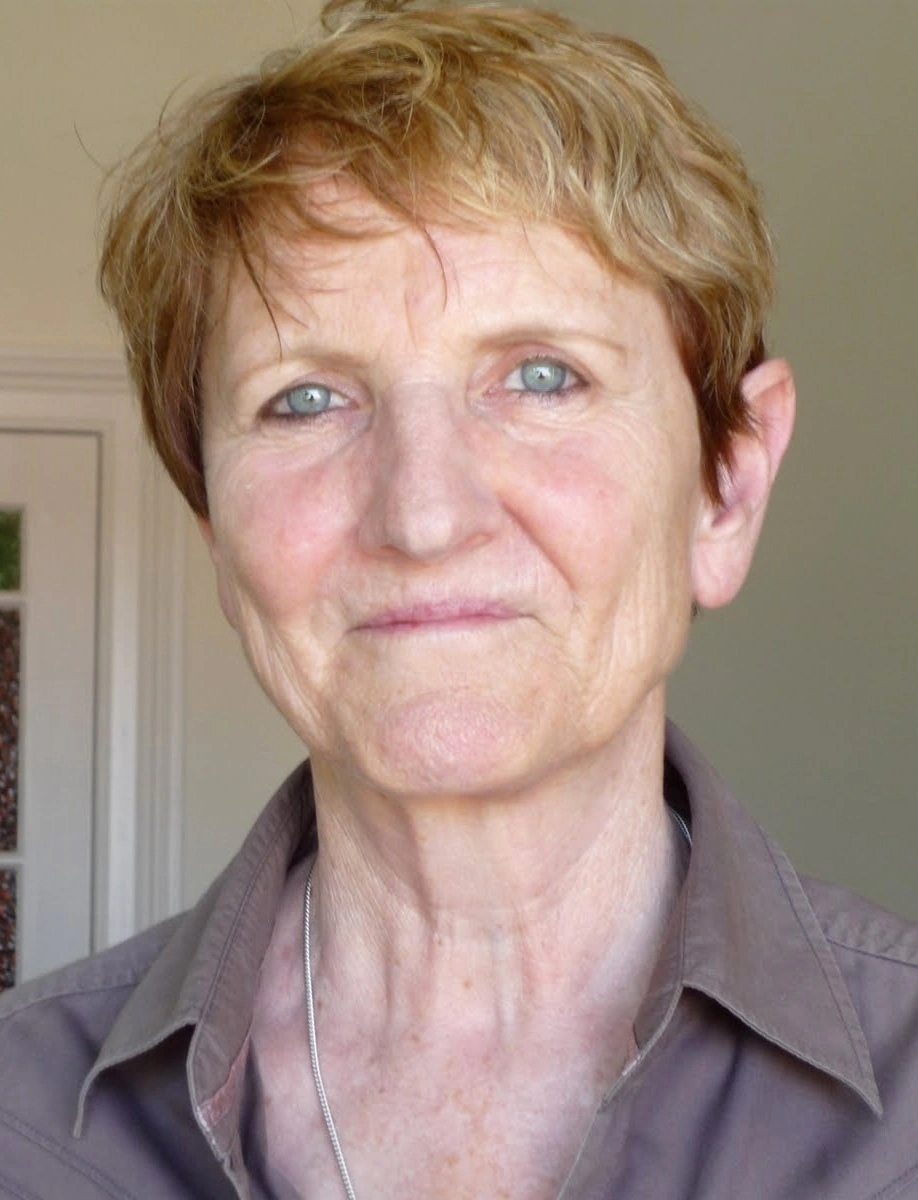
| 9 Quotes | |
| Occup. | Poet |
| From | Australia |
| Born | 1948 Seymour, Victoria |
| Cite | |
Citation Formats
APA Style (7th ed.)
Pam brown biography, facts and quotes. (2026, February 11). FixQuotes. https://fixquotes.com/authors/pam-brown/
Chicago Style
"Pam Brown biography, facts and quotes." FixQuotes. February 11, 2026. https://fixquotes.com/authors/pam-brown/.
MLA Style (9th ed.)
"Pam Brown biography, facts and quotes." FixQuotes, 11 Feb. 2026, https://fixquotes.com/authors/pam-brown/. Accessed 25 Mar. 2026.
Early Life and Background
Pam Brown was born in Australia around 1948, coming of age in the long afterglow of postwar prosperity and the sharper, questioning light of the late 1960s. She has often been associated with Sydney's inner-city literary life, but her sensibility is not narrowly metropolitan: it is the alertness of someone who watches how people actually live - in rented rooms, on shifting wages, among pets, friends, letters, and the everyday pressures that make a day feel like a verdict.Her early adulthood coincided with the accelerating transformation of Australian culture - second-wave feminism, the end of conscription and the Vietnam era, and the rise of a more experimental, independent small-press ecosystem. In this environment Brown developed a habit of noticing what official narratives omit: the improvisations of friendship, the ethics of attention, and the way small domestic facts can carry the weight of history.
Education and Formative Influences
Public details of Brown's formal education are limited, and her formation is better described as literary and social: she emerged through readings, community networks, and the small-press circuits that sustained Australian poetry from the 1970s onward. The imprint of that milieu is clear in her work's openness to collage, quick shifts of register, and an urbane but unsentimental ear for speech - shaped as much by conversation, music, and activism as by classrooms.Career, Major Works, and Turning Points
Brown became a distinctive voice in Australian poetry through sustained publishing with independent presses and journals, building a body of work that favors sequence, notebook-like accumulation, and the pressure of lived time over grand statement. Across decades she has remained committed to poetry as a daily instrument - for recording, for thinking, for keeping faith with communities that change and disperse. Her career is less a ladder than a map: readings, collaborations, and books that quietly expand her reach, anchored in a recognizable method - the lyric as a form of attentive social history.Philosophy, Style, and Themes
Brown's poems tend to begin where life actually begins: with a door opening, a message left unanswered, an animal crossing a room, a friend moving away. Her imagination works by close-up ethics, turning the apparently minor into a test of care. “One small cat changes coming home to an empty house to coming home”. Read psychologically, the sentence is not just about pets - it is about the human need for witness and routine, and the way tenderness becomes a structure that keeps solitude from hardening into despair.Her style favors clarity without simplification: plain diction, quick intelligence, and emotional accuracy achieved through detail rather than confession. The poems often orbit friendship as a practical art, aware of time's erosions and the repairs that stave off silence. "A friendship can weather most things and thrive in thin soil; but it needs a little mulch of letters and phone calls and small, silly presents every so often - just to save it from drying out completely" [Quote
Our collection contains 9 quotes written by Pam, under the main topics: Friendship - Resilience - Live in the Moment - Long-Distance Friendship - Sister.
Pam Brown Famous Works
- 2015 Missing Up (Book)
- 2013 Home by Dark (Book)
- 2010 Authentic Local (Book)
- 2002 Dear Deliria: New & Selected Poems (Book)
Source / external links