
Patricia Schroeder Biography Quotes 12 Report mistakes
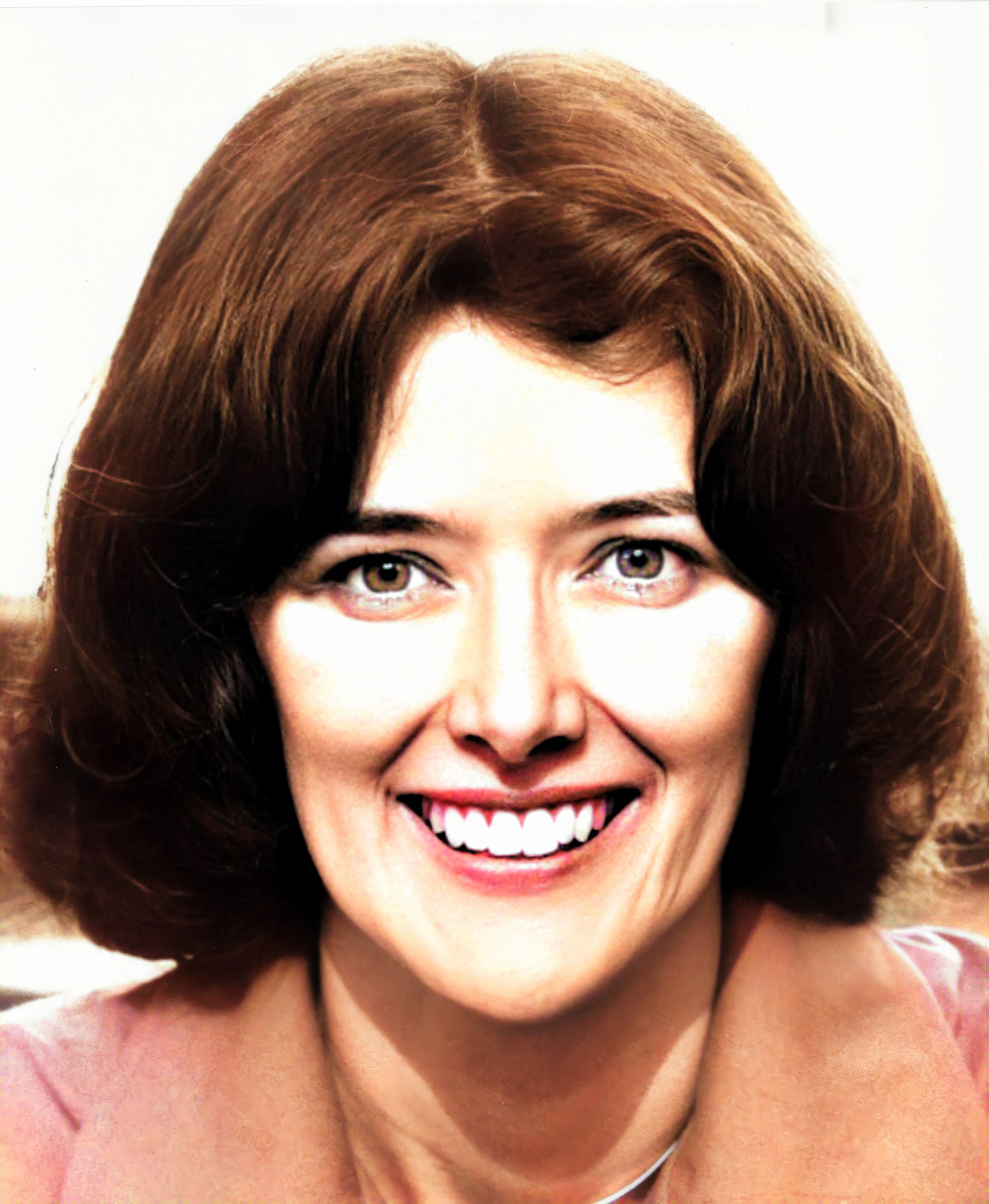
| 12 Quotes | |
| Born as | Patricia Nell Scott |
| Occup. | Leader |
| From | USA |
| Spouse | James Schroeder |
| Born | July 30, 1940 Portland, Oregon, USA |
| Age | 85 years |
| Cite | |
Citation Formats
APA Style (7th ed.)
Patricia schroeder biography, facts and quotes. (2026, March 3). FixQuotes. https://fixquotes.com/authors/patricia-schroeder/
Chicago Style
"Patricia Schroeder biography, facts and quotes." FixQuotes. March 3, 2026. https://fixquotes.com/authors/patricia-schroeder/.
MLA Style (9th ed.)
"Patricia Schroeder biography, facts and quotes." FixQuotes, 3 Mar. 2026, https://fixquotes.com/authors/patricia-schroeder/. Accessed 26 Mar. 2026.
Early Life and Background
Patricia Nell Scott was born on July 30, 1940, in Portland, Oregon, and grew up in an America reshaped by World War II, suburban expansion, and the early Cold War. Her father worked as an airline pilot, and the family moved, exposing her early to the geography of a continental power and to the everyday costs of national policy - defense spending, civic duty, and the quiet expectation that stability was something you earned and protected. In that mid-century atmosphere, ambition for girls was often routed into polish rather than power, a constraint that sharpened her later impatience with ceremonial politics.Marriage and motherhood did not arrive for her as a retreat from public life but as part of the terrain she intended to negotiate. She married James Schroeder, an economist, in 1962, and the couple settled in Colorado, where she would raise two children while building a professional identity of her own. Living in Denver as the women's movement accelerated and Vietnam fractured consensus, she absorbed a central lesson of the era: private burdens - childcare, pay inequity, medical autonomy - were public questions in disguise, and the people most affected were too often absent from the room.
Education and Formative Influences
Schroeder earned a BA from the University of Minnesota in 1961 and a JD from Harvard Law School in 1964, graduating into a profession still dominated by men and into a political moment newly alive to civil rights, constitutional litigation, and the vocabulary of equality. Harvard trained her to argue from text and precedent, but the deeper influence was contradiction: the nation declared liberty while rationing opportunity, and the law could either disguise that gap or force it into the open. Colorado's pragmatic civic culture, combined with the ferment of second-wave feminism, helped push her from legal competence toward political confrontation.Career, Major Works, and Turning Points
In 1972, running as a Democrat from Colorado's 1st congressional district, Schroeder won a seat in the U.S. House of Representatives and became the first woman elected to Congress from Colorado; she served from 1973 to 1997. She built a reputation for sharp oversight and a willingness to puncture orthodoxies, especially on military policy, government secrecy, and women's rights. Her committee work and alliances placed her at the intersection of defense budgets and social priorities, where she argued that patriotism required scrutiny, not slogans. A major inflection came in 1987 when she explored a presidential run; she ultimately declined, but the episode crystallized her public image as a national feminist voice and an unusually candid legislator. After leaving Congress, she led the Association of American Publishers (1997-2008), shifting her platform from legislative power to cultural infrastructure - the economics of books, authorship, and intellectual property in a digitizing world.Philosophy, Style, and Themes
Schroeder's political psychology fused lived experience with constitutional argument: she distrusted any system that demanded women be grateful for partial citizenship. Her most famous line was not a slogan but a refusal to compartmentalize: “I have a brain and a uterus, and I use both”. It encapsulated a core theme in her work - that women's bodies and minds were not rival domains but a single human reality that policy had to respect. Rather than asking to be included on male terms, she insisted that the premises of debate be rewritten, especially on reproductive freedom, pay equity, and the everyday logistics of parenting.Her style was combative, funny, and deliberately unladylike in a Congress that still expected women to soften their edges. She returned repeatedly to the asymmetry of judgment placed on working mothers: “Nobody ever says to men, How can you be a Congressman and a father?” That sentence reveals how she understood power - not merely as votes and committee seats, but as the social permission to be complex without penalty. Even when she moved to publishing, the theme remained: democratic culture depends on people being able to create and to live from their work. “If the search engines don't respect the creators, there won't be anything to search in the future because creators have to make a living too”. In both arenas, she treated hypocrisy as the real enemy - the gap between proclaimed values and the incentives that quietly nullify them.
Legacy and Influence
Schroeder died in 2023, but her influence persists in the frank, gender-literate language now common among lawmakers who balance family life with public office and refuse to apologize for ambition. She helped normalize the idea that defense policy is not the exclusive province of militarized masculinity, and that women's rights are not a niche but a constitutional measure of national character. As a legislator she modeled a form of leadership rooted in interrogation - of budgets, of assumptions, of who gets to define "serious" issues - and as a publishing executive she anticipated the modern battle over whether digital abundance would erode the livelihoods that make culture possible. Her enduring lesson is that representation is not symbolic: it changes the questions that get asked, and it changes the courage with which answers are demanded.Our collection contains 12 quotes written by Patricia, under the main topics: Witty One-Liners - Justice - Sarcastic - Writing - Freedom.
Patricia Schroeder Famous Works
Source / external links