
Patti Davis Biography Quotes 13 Report mistakes
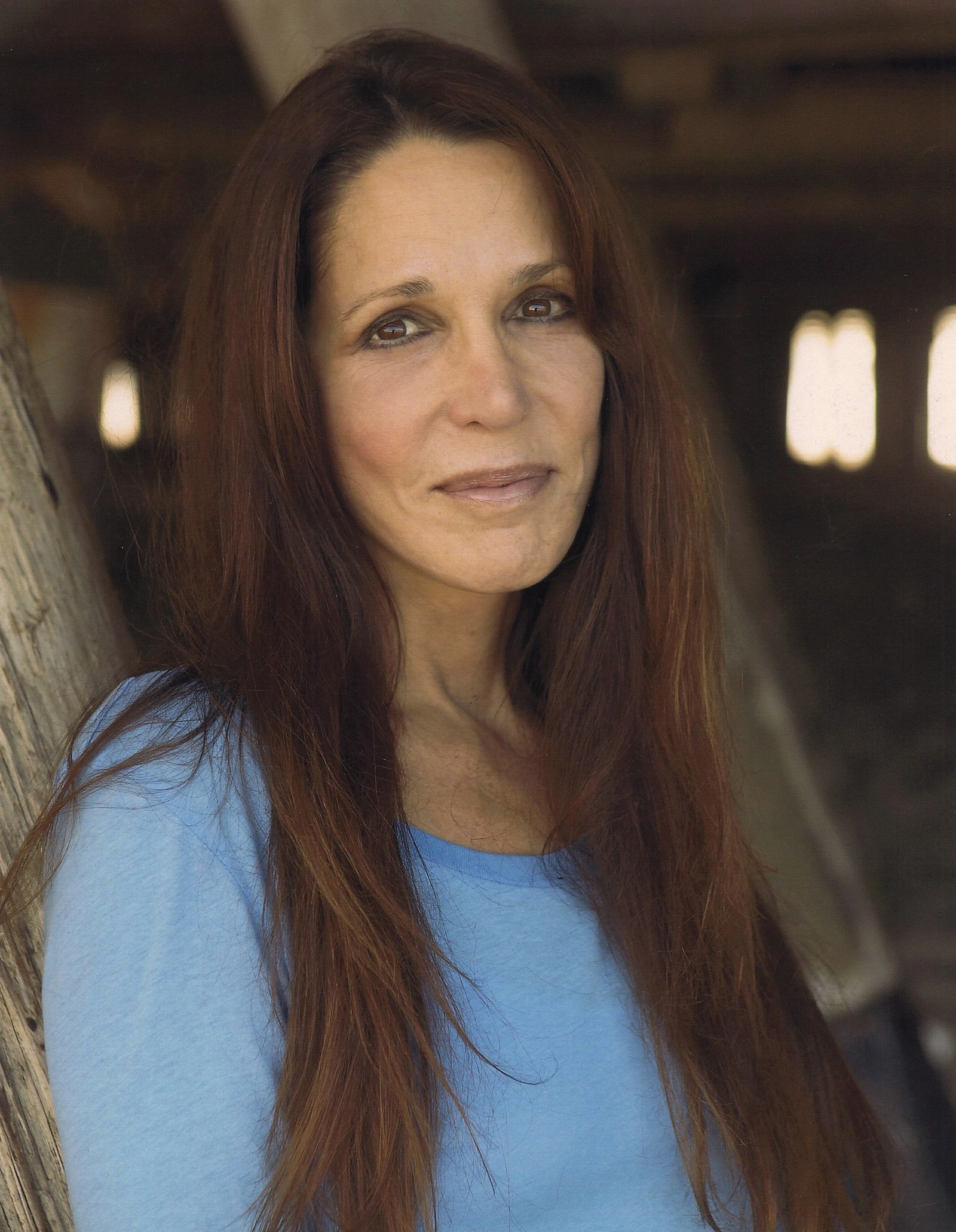
| 13 Quotes | |
| Occup. | Celebrity |
| From | USA |
| Born | October 21, 1952 |
| Age | 73 years |
| Cite | |
Citation Formats
APA Style (7th ed.)
Patti davis biography, facts and quotes. (2026, February 11). FixQuotes. https://fixquotes.com/authors/patti-davis/
Chicago Style
"Patti Davis biography, facts and quotes." FixQuotes. February 11, 2026. https://fixquotes.com/authors/patti-davis/.
MLA Style (9th ed.)
"Patti Davis biography, facts and quotes." FixQuotes, 11 Feb. 2026, https://fixquotes.com/authors/patti-davis/. Accessed 28 Mar. 2026.
Early Life and Background
Patricia Ann "Patti" Davis was born October 21, 1952, in Los Angeles, California, into the most public kind of American domesticity: the aspirational, camera-ready household of Ronald Reagan and Nancy Davis Reagan. Her earliest years unfolded against the postwar boom and the entertainment industry that shaped her parents before politics claimed them - her father moving from actor and union leader to spokesman for conservatism, her mother intent on poise, control, and the protective rituals of celebrity life.The family relocated repeatedly as Reagan's ambitions shifted from Hollywood to Sacramento and then Washington. Davis grew up with the paradox of proximity and distance: constant visibility, yet emotional privacy; patriotic pageantry, yet the ordinary ache of wanting a parent who was not also a symbol. Her later choice to use "Davis" rather than "Reagan" signaled not a rejection of lineage so much as a bid for ownership of self in a household where identity arrived prewritten by press coverage and expectation.
Education and Formative Influences
Davis attended private schools and later studied at Orme School in Arizona, then enrolled at the University of California, Berkeley, before leaving without completing a degree. Berkeley in the early 1970s - still reverberating with antiwar protest, feminism, and distrust of authority - sharpened her sense that political myth and private life were often in conflict, and that language could become both refuge and weapon. The era did not simply politicize her; it taught her to read performance, including her own, and to look for the cost of public righteousness on intimate relationships.Career, Major Works, and Turning Points
In the late 1970s Davis pursued acting and writing, but her defining public role emerged during her father's ascent to the presidency (1981-1989). As a sometimes-estranged first daughter who spoke candidly about family tension, she became a flashpoint for debates over loyalty, privacy, and the right to narrate one's origins. Her novels and memoirs - most notably the best-selling 1992 family account "The Way I See It" and the later, Alzheimer-centered memoir "The Long Goodbye" (2004) - marked turning points where she converted notoriety into authorship, insisting that the private history behind a public administration mattered, even when it complicated the Reagan legend.Philosophy, Style, and Themes
Davis writes from the seam where biography becomes moral inquiry. Her recurring subject is not politics as ideology but politics as weather system - the atmosphere a family breathes when a parent becomes a national vessel. Her sense of inheritance is double-edged: she is drawn to her father's charisma and narrative gift while resisting the silences that charisma can impose. She often frames writing as a survival instrument rather than an aesthetic choice: “I did what most writers do when something happens that's overwhelming, fascinating, moving, all of that. I didn't know what else to do about it except write about it”. The line captures a psychology of compulsion - art as the only available container for grief, anger, and awe.Her later work, shaped by Ronald Reagan's Alzheimer's disease and the long, slow transformation of a commanding public figure into a vulnerable private patient, is marked by tenderness that does not erase complexity. Davis lingers on repetition and memory not as failure but as intimacy, describing how a loved one's stories can become a kind of shared liturgy: “The memories stayed with him for so long, and stayed vivid. And it didn't matter to me that he'd already repeated that before. I could hear it forever”. In essays and commentary, she also argues against cynicism in medical and political debate, insisting on hope as an ethical stance rather than a naive promise: “And as far as false hope, there is no such thing. There is only hope or the absence of hope-nothing else”. Across these themes runs an insistence that the inner life is not less real because history is loud.
Legacy and Influence
Patti Davis endures as a rare figure in American celebrity-political culture: neither court chronicler nor pure dissident, but a witness to how power reshapes family narrative. Her books helped normalize frank first-family memoir as a legitimate genre rather than mere scandal, and her advocacy around Alzheimer's awareness and biomedical research debates placed personal experience in conversation with public policy. In an era that often rewards either reverence or takedown, Davis's lasting influence lies in her refusal of simple roles - choosing instead the harder work of telling what it feels like when a parent belongs to a country and, at the same time, to a child.Our collection contains 13 quotes written by Patti, under the main topics: Witty One-Liners - Writing - Freedom - Hope - Health.
Source / external links