
Paul Martin Biography Quotes 14 Report mistakes
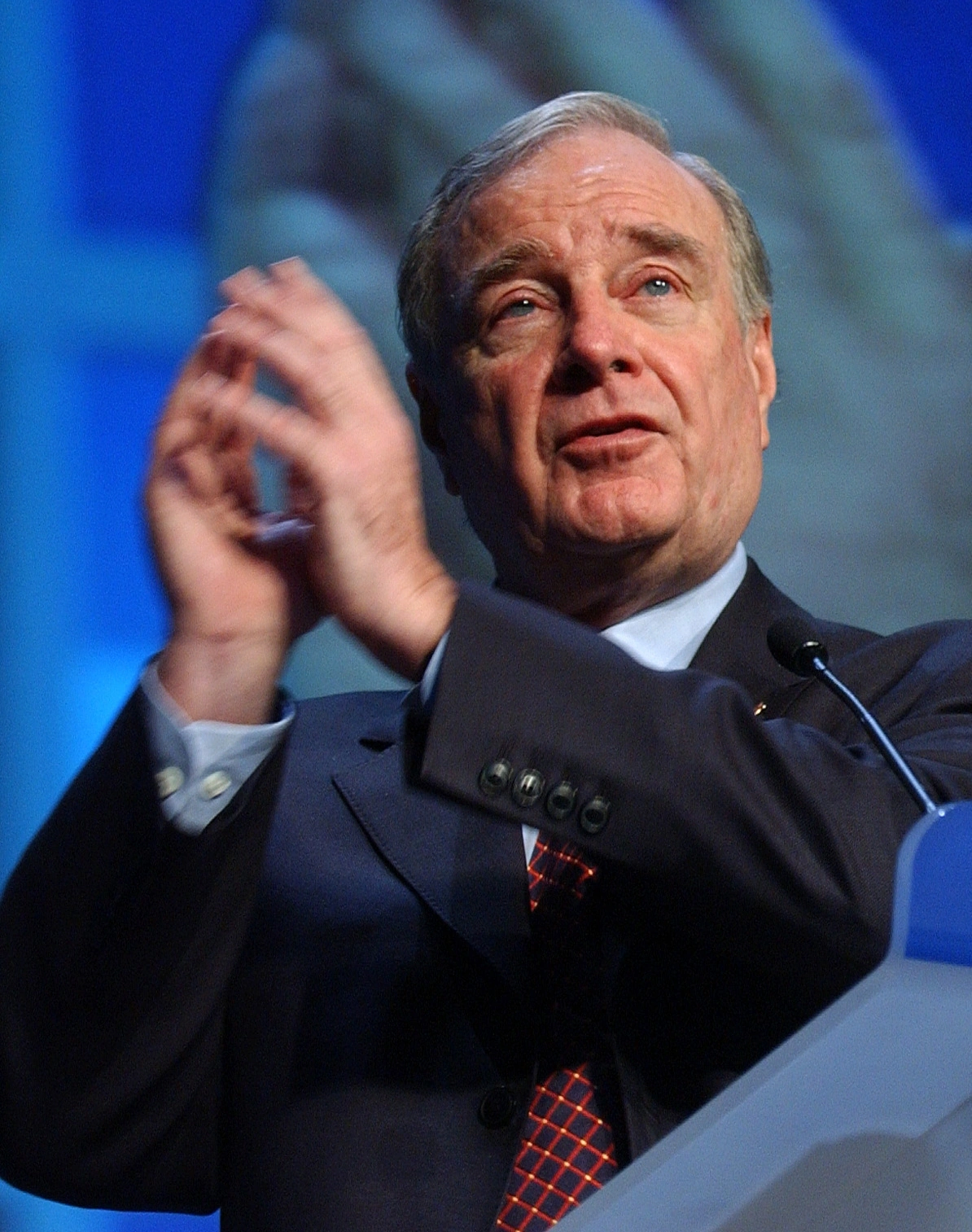
| 14 Quotes | |
| Born as | Paul Edgar Philippe Martin |
| Known as | Paul Martin, Jr. |
| Occup. | Politician |
| From | Canada |
| Born | August 28, 1938 Windsor, Ontario |
| Age | 87 years |
| Cite | |
Citation Formats
APA Style (7th ed.)
Paul martin biography, facts and quotes. (2026, February 11). FixQuotes. https://fixquotes.com/authors/paul-martin/
Chicago Style
"Paul Martin biography, facts and quotes." FixQuotes. February 11, 2026. https://fixquotes.com/authors/paul-martin/.
MLA Style (9th ed.)
"Paul Martin biography, facts and quotes." FixQuotes, 11 Feb. 2026, https://fixquotes.com/authors/paul-martin/. Accessed 28 Mar. 2026.
Early Life and Background
Paul Edgar Philippe Martin was born on August 28, 1938, in Windsor, Ontario, into a bilingual, politically saturated household that treated public life as both vocation and performance. His father, Paul Martin Sr., was a dominant Liberal cabinet minister through the St. Laurent and Pearson years, a fixture of mid-century Canadian nation-building. The younger Martin grew up watching the machinery of federal power from close range - the backrooms of party conventions, the etiquette of compromise, the moral language of social citizenship - and absorbed the idea that politics could be an instrument of national cohesion rather than merely partisan combat.That inheritance carried a psychological burden. Martin came of age in an era when Canadian identity was being renegotiated - postwar prosperity, Quiet Revolution, the rise of Quebec nationalism, and later constitutional crises - and his personal identity was similarly layered: Ontario-born, francophone and anglophone at home, Catholic by cultural background, and shaped by the expectations placed on a political heir. Ambition in his case was rarely flamboyant; it read as dutiful, even restless - a drive to prove he was more than a surname, while still using the credibility the surname conferred.
Education and Formative Influences
Martin studied philosophy at the University of Toronto, earned an LL.B. at Osgoode Hall Law School, and later attended the University of Ottawa and Harvard University. The combination mattered: Toronto and Osgoode sharpened a pragmatic, institutional mind; Ottawa anchored him in the bilingual federal capital; Harvard exposed him to policy internationalism and the managerial confidence of postwar liberal democracies. These were formative years for a politician who would later speak the language of rights and inclusion while thinking in terms of budgets, incentives, and federal-provincial machinery.Career, Major Works, and Turning Points
Martin built his early career in business and law, rising to prominence at Canada Steamship Lines, which he led as CEO - a phase that honed his technocratic style and comfort with complex systems. He entered Parliament in 1988 as Liberal MP for LaSalle-Emard in Montreal, quickly becoming a central figure after the Liberals returned to power in 1993. As minister of finance (1993-2002), he presided over the politically bruising turn from chronic deficits to sustained surpluses, using program cuts, tax changes, and fiscal rules that redefined Liberal governance for a generation; the era also established him as Jean Chretien's most formidable internal rival. In 2003 he succeeded Chretien as prime minister, but governed with a minority after the 2004 election amid the sponsorship scandal's aftershocks; his tenure was marked by attempts to re-center federalism (notably the 2004 health accord) and to consolidate a socially liberal, fiscally responsible identity. Defeated in 2006 by Stephen Harper's Conservatives, Martin left politics soon after, later devoting energy to global health through the Martin Family Initiative and advocacy on Indigenous education.Philosophy, Style, and Themes
Martin's inner life as a public figure was defined by a tension between managerial discipline and moral aspiration. He thought in ledgers but spoke in rights. The finance-minister years revealed a temperament that sought control through numbers - an urge to impose order on volatility - yet he resisted being reduced to austerity's architect, insisting the end goal was social capacity, not simply balanced books. This duality made him persuasive to centrists and suspect to purists: to some, he was the adult in the room; to others, the emblem of painful tradeoffs. His most revealing moments were when technocracy gave way to ethical insistence, particularly on equality and the Charter's promise.His rhetoric repeatedly returned to citizenship as a lived guarantee, not a slogan. Supporting marriage equality, he framed Canada as a legal community bound to protect dignity: “I rise in support of a Canada in which liberties are safeguarded, rights are protected and the people of this land are treated as equals under the law”. That sentence captures both his legalistic cast of mind and his emotional need to anchor policy in legitimacy - as if rights, once articulated, could stabilize a fractious federation. The same psychological pattern appears in his warning about democratic backsliding: “If we do not step forward, then we step back. If we do not protect a right, then we deny it”. And beneath his policy focus on schools and opportunity was a belief that mobility is the humane face of nationhood: “Every Canadian who wants to learn should have the opportunity to do so”. In Martin, equality was not abstract virtue; it was a standard against which government could be audited.
Legacy and Influence
Martin's enduring influence rests on two legacies that still shape Canadian political argument: the fiscal turnaround of the 1990s that reset expectations of federal stewardship, and the explicit linking of Liberal governance to Charter-based inclusion, especially in debates over civil rights and social policy. Critics fault the social cost of deficit reduction and the abrasions of intergovernmental bargaining; admirers emphasize that he helped build the financial room later governments used for new spending and crisis response. As a biographical figure, he remains a study in Canadian power at its most characteristic - cautious, legalistic, bilingual, compromise-driven - animated by the belief that a country holds together when its institutions treat equality not as a sentiment, but as a promise enforceable in law and opportunity.Our collection contains 14 quotes written by Paul, under the main topics: Leadership - Learning - Equality - War - Human Rights.
Other people related to Paul: Tim Murphy (Politician), Jean Charest (Lawyer), Stephen Martin (Politician)
Source / external links