
Paul R. Ehrlich Biography Quotes 5 Report mistakes
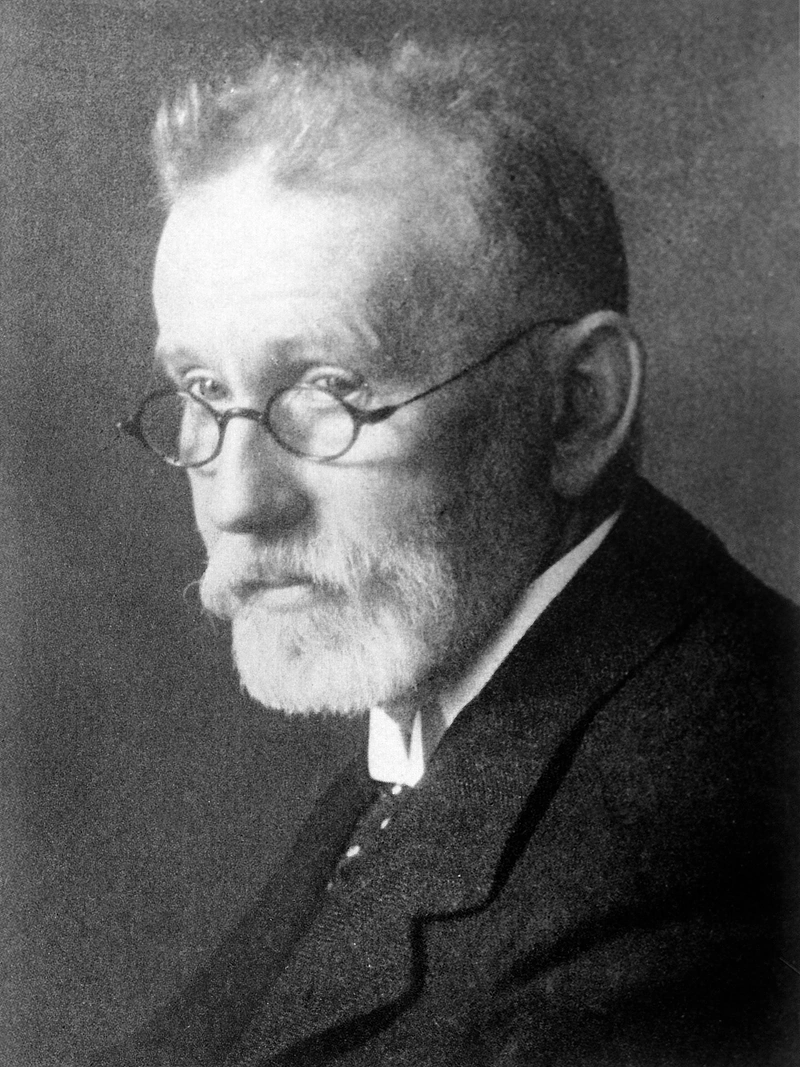
| 5 Quotes | |
| Occup. | Scientist |
| From | USA |
| Born | May 29, 1932 |
| Age | 93 years |
| Cite | |
Citation Formats
APA Style (7th ed.)
Paul r. ehrlich biography, facts and quotes. (2026, February 11). FixQuotes. https://fixquotes.com/authors/paul-r-ehrlich/
Chicago Style
"Paul R. Ehrlich biography, facts and quotes." FixQuotes. February 11, 2026. https://fixquotes.com/authors/paul-r-ehrlich/.
MLA Style (9th ed.)
"Paul R. Ehrlich biography, facts and quotes." FixQuotes, 11 Feb. 2026, https://fixquotes.com/authors/paul-r-ehrlich/. Accessed 25 Mar. 2026.
Early Life and Education
Paul R. Ehrlich was born in 1932 in Philadelphia, Pennsylvania, and grew up with a fascination for the natural world that would shape his life. Drawn to insects and the patterns of the living world, he pursued zoology and entomology in college, first at the University of Pennsylvania and then at the University of Kansas, where he completed advanced graduate training culminating in a doctorate. Early fieldwork and taxonomic studies on butterflies helped set the direction of a career that would blend meticulous natural history with ambitious ecological theory and public engagement.Academic Career at Stanford
By the late 1950s, Ehrlich joined the faculty at Stanford University, where he would build a long and influential career. He taught ecology, evolution, and conservation biology, and helped train generations of students in field and analytical methods. At Stanford he developed research programs on population dynamics and biodiversity, work that would later inform conservation planning worldwide. He eventually held the title of Bing Professor of Population Studies, reflecting his efforts to connect ecological science with questions about human societies and resource use.Research on Butterflies and Coevolution
Ehrlich is widely recognized for his studies of butterflies and their ecological relationships, which he used as a window into broader evolutionary and conservation questions. A landmark collaboration with botanist Peter H. Raven produced the classic paper Butterflies and Plants: A Study in Coevolution, which helped establish coevolution as a central concept in ecology and evolution. At Stanford's Jasper Ridge Biological Preserve, Ehrlich and his students conducted long-term field studies on checkerspot butterflies, documenting how habitat fragmentation, climate variability, and metapopulation dynamics affect persistence and extinction risk. These studies became touchstones for conservation biology, offering empirical grounding for reserve design and habitat management.The Population Bomb and Public Influence
Ehrlich reached a global audience with The Population Bomb, a 1968 book that brought concerns about population growth, resource limits, and environmental stress into mainstream debate. Although the volume was published under his name, his partner and collaborator Anne H. Ehrlich played a major role in the research and writing, and the pair went on to coauthor many subsequent books on population, environment, and conservation. He became a prominent public communicator, appearing on television, including late-night programs, to discuss ecological risks. Seeking to connect science with civic action, he helped launch the organization Zero Population Growth, later called Population Connection, to advocate for voluntary family planning and education.Collaborations and Interdisciplinary Work
Ehrlich's books and articles frequently bridged disciplines. With Anne H. Ehrlich and physicist John P. Holdren, he coauthored Ecoscience: Population, Resources, Environment, aiming to synthesize knowledge across demography, ecology, and policy. He collaborated with younger scholars as well, notably joining Gretchen C. Daily and Anne on The Stork and the Plow, exploring how agricultural innovation and demographic change intersect. Across these projects, Ehrlich's role was to draw connections among biological processes, social systems, and long-term sustainability.Debates, Critique, and Refinement
Ehrlich's stark warnings sparked intense debate. The Green Revolution, associated with agronomist Norman Borlaug, raised agricultural yields and altered near-term famine trajectories, prompting critics to argue that technology could outrun resource constraints. Ehrlich engaged these challenges publicly, including a well-known wager with economist Julian Simon over commodity prices, which Simon won over a defined interval. Such debates sharpened arguments on both sides and pushed Ehrlich to clarify his emphasis on long-term risks, distributional issues, and the cumulative impacts of consumption and population. He consistently argued that avoiding ecological catastrophe required attention to the interplay of population, affluence, and technology rather than to numbers alone.Conservation Leadership and Later Initiatives
Beyond books and lectures, Ehrlich helped build institutions for applied conservation. At Stanford he contributed to the development of conservation biology as a field, integrating field ecology, population models, and policy analysis. He continued to write extensively with Anne H. Ehrlich on biodiversity loss, climate disruption, and the cultural changes needed for a sustainable future. Seeking broader societal engagement, he helped launch initiatives such as the Millennium Alliance for Humanity and the Biosphere to connect scholars, practitioners, and citizens working on global environmental challenges.Personal Partnership and Mentorship
Ehrlich's partnership with Anne H. Ehrlich has been central to his scholarship and public work. Together they cultivated a style that combined clear exposition with a willingness to confront difficult subjects. In the laboratory and the field, he mentored students who moved into academia, government, and NGOs, widening the impact of his ideas. Colleagues and collaborators often noted his ability to turn detailed natural history observations into general principles that could inform policy and management.Legacy
Paul R. Ehrlich's legacy rests on two intertwined achievements: advancing ecological science and elevating environmental issues in public discourse. His butterfly research, especially on coevolution and population dynamics, reshaped key concepts in ecology, while his public advocacy focused attention on the links between human behavior and planetary systems. Though some of his early predictions proved overly dire in timing or specificity, his central warning about biophysical limits and the erosion of biodiversity helped frame debates that continue to this day. As a longtime Stanford scholar and an enduring voice in conservation, he has influenced how scientists, policymakers, and the public think about the future of life on Earth.Our collection contains 5 quotes written by Paul, under the main topics: Witty One-Liners - Wisdom - Science - Mental Health - Business.
Paul R. Ehrlich Famous Works
- 2008 The Dominant Animal: Human Evolution and the Environment (Book)
- 1990 The Population Explosion (Book)
- 1981 Extinction: The Causes and Consequences of the Disappearance of Species (Book)
- 1977 Ecoscience: Population, Resources, Environment (Book)
- 1968 The Population Bomb (Book)