
Paul Tillich Biography Quotes 24 Report mistakes
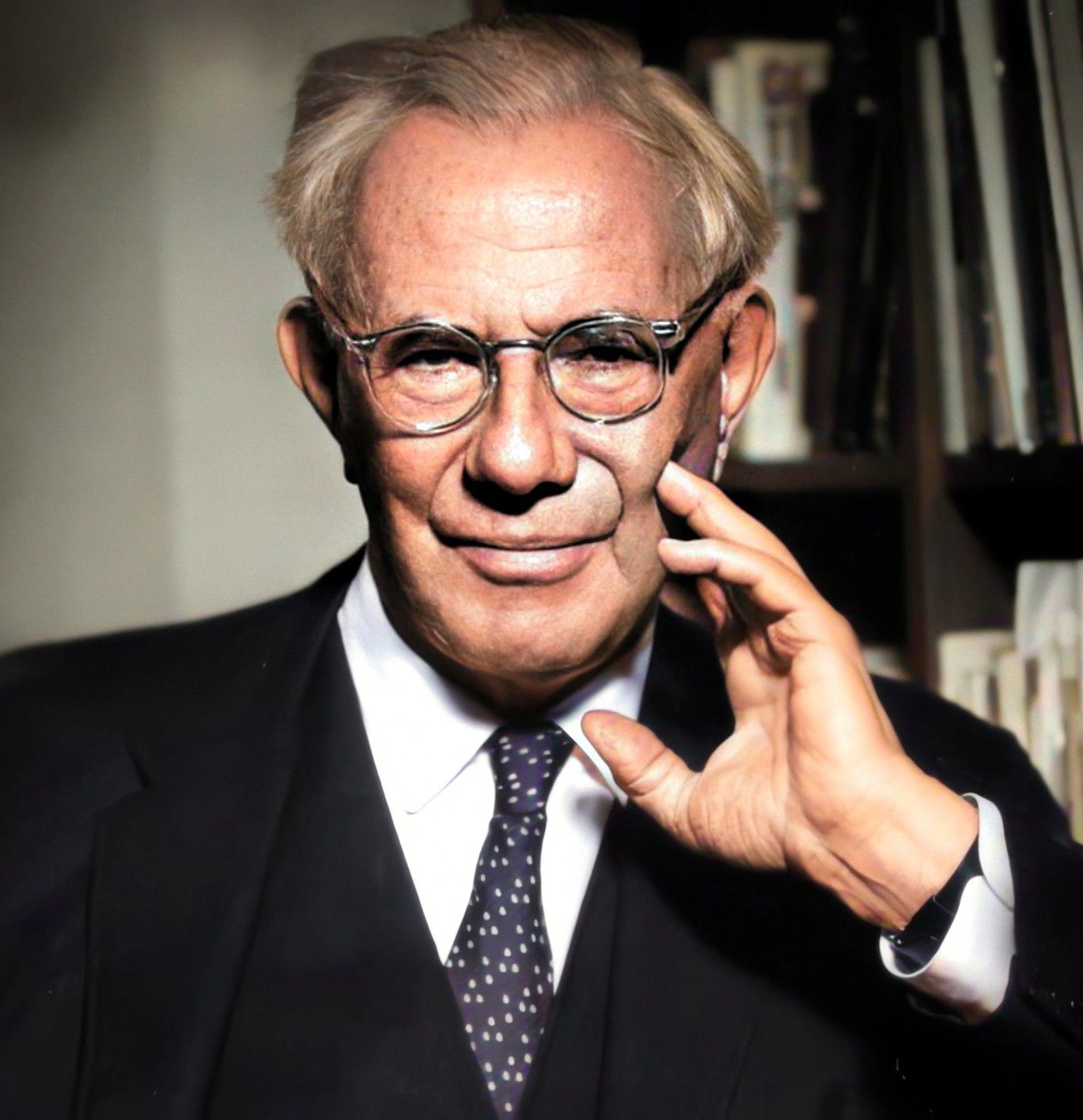
| 24 Quotes | |
| Born as | Paul Johannes Tillich |
| Occup. | Theologian |
| From | Germany |
| Spouse | Hannah Werner Wegerif |
| Born | August 20, 1886 Starzeddel, Brandenburg, Germany |
| Died | October 22, 1965 Chicago, Illinois, United States |
| Cause | Heart attack |
| Aged | 79 years |
| Cite | |
Citation Formats
APA Style (7th ed.)
Paul tillich biography, facts and quotes. (2026, February 11). FixQuotes. https://fixquotes.com/authors/paul-tillich/
Chicago Style
"Paul Tillich biography, facts and quotes." FixQuotes. February 11, 2026. https://fixquotes.com/authors/paul-tillich/.
MLA Style (9th ed.)
"Paul Tillich biography, facts and quotes." FixQuotes, 11 Feb. 2026, https://fixquotes.com/authors/paul-tillich/. Accessed 26 Mar. 2026.
Early Life and Background
Paul Johannes Tillich was born on August 20, 1886, in Starzeddel in the Prussian Province of Brandenburg (now Starosiedle, Poland), the son of a Lutheran pastor, Johannes Tillich, and his wife, Mathilde. The parsonage formed his first world: liturgy, sermons, and the weight of duty in a Protestant culture still shaped by the German Empire. Yet he also absorbed the tensions of Wilhelmine society - reverence for authority alongside rapid industrial change - a duality that later reappeared in his lifelong effort to reconcile inherited symbols with modern consciousness.His mother died when he was a teenager, a loss that deepened his interiority and sharpened his sense that the human self is never self-sufficient. Moving between small towns as his father took new posts, Tillich learned early how belonging can feel conditional and how faith can be both shelter and pressure. These experiences helped form the existential tone of his later theology: questions about anxiety, estrangement, and the longing for a ground beneath shifting historical circumstances.
Education and Formative Influences
Tillich studied theology and philosophy at universities in Berlin, Tubingen, Halle, and Breslau, and was ordained in the Evangelical Church of Prussia. His academic formation placed him at the crossroads of classic German idealism (Kant, Schelling, Hegel), post-idealism, and the emerging critiques of modernity. Early on he wrestled with how Christian claims could speak meaningfully after historical criticism and scientific confidence had eroded older certainties; he also absorbed the social question pressing on German Protestantism, which pushed him toward religious socialism and a conviction that theology must address public life as well as private piety.Career, Major Works, and Turning Points
World War I was Tillich's decisive rupture: he served as a military chaplain, witnessed mass death at the front, and saw the moral bankruptcy of slogans that had baptized the conflict. After the war he taught at Berlin, Marburg, Dresden, Leipzig, and Frankfurt, developing a reputation as a formidable lecturer and a critic of nationalist religion; in 1933 the Nazi regime dismissed him under the Law for the Restoration of the Professional Civil Service. Reinventing his life in exile, he emigrated to the United States and taught at Union Theological Seminary in New York, later at Harvard and the University of Chicago. There he produced the work that made him a central figure in 20th-century theology: The Protestant Era, The Shaking of the Foundations, The Courage to Be, Dynamics of Faith, and the three-volume Systematic Theology, along with major lectures on culture, politics, and religion.Philosophy, Style, and Themes
Tillich wrote as a mediator between worlds: church and university, Europe and America, philosophy and proclamation. His signature "method of correlation" argued that theology must interpret the symbols of faith in relation to the real questions posed by an age - anxiety, meaninglessness, guilt, and the fear of death - without reducing God to a comforting projection. For Tillich, "ultimate concern" named the depth-dimension of existence, the point where a person is seized by what matters unconditionally. His language often moved from abstract ontology to vivid diagnosis, treating despair not as a mere mood but as a clue to the structure of being and the human experience of estrangement from the "Ground of Being".Psychologically, Tillich understood faith as something that includes fracture rather than denying it, insisting that “Doubt is not the opposite of faith; it is one element of faith”. That line captures his refusal of easy certainty and his belief that mature spirituality passes through ambiguity without collapsing into cynicism. He also insisted on an ethical seriousness that could unsettle the believer: “Being religious means asking passionately the question of the meaning of our existence and being willing to receive answers, even if the answers hurt”. In his most influential popular formulation, he linked courage to a divine depth encountered precisely where old images fail: “The courage to be is rooted in the God who appears when God has disappeared in the anxiety of doubt”. Across sermons and systematics, he treated modern loneliness, boredom, and fear as spiritual data - symptoms of a culture losing symbols of transcendence, yet still haunted by an ultimate dimension it cannot fully silence.
Legacy and Influence
Tillich died on October 22, 1965, in Chicago, leaving behind a body of work that reshaped liberal Protestant theology and widened its dialogue with philosophy, psychoanalysis, and the arts. He influenced theologians and religious thinkers across traditions by legitimizing existential questions as the very terrain of faith, and by offering a vocabulary - "ultimate concern", "Ground of Being", "courage", "estrangement" - that traveled beyond seminaries into literature, pastoral counseling, and cultural criticism. His enduring relevance lies in the same wager that structured his life: that modern doubt is not a spiritual accident but a doorway, and that theology can speak honestly only when it listens to the anxieties of its time while pointing, with disciplined imagination, toward depth and meaning.Our collection contains 24 quotes written by Paul, under the main topics: Motivational - Wisdom - Love - Nature - Deep.
Other people related to Paul: Rollo May (Psychologist), Frederick Buechner (Clergyman), Robert McAfee Brown (Theologian), Rudolf Otto (Theologian), James Hal Cone (Theologian)
Source / external links