
Paul Tsongas Biography Quotes 27 Report mistakes
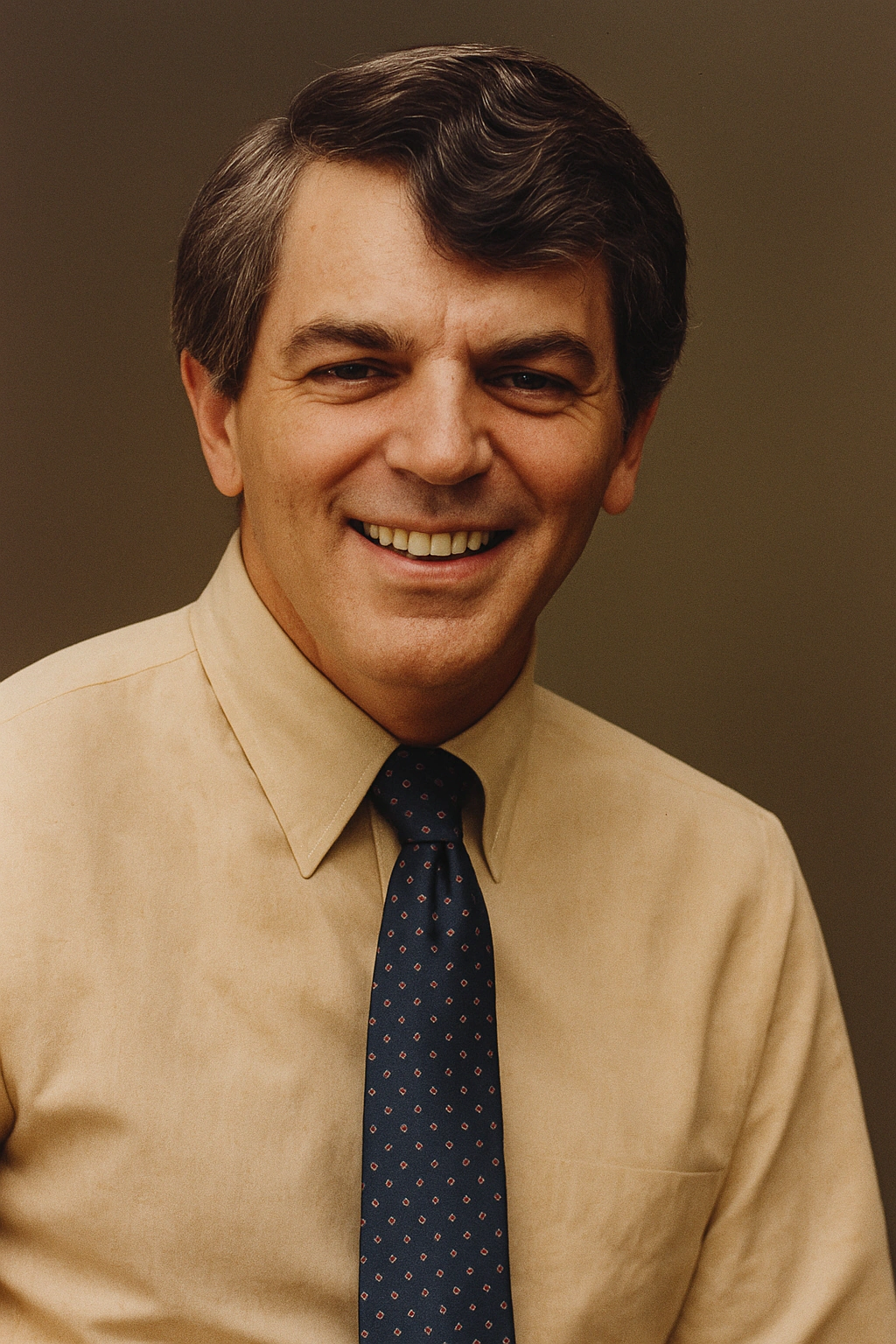
| 27 Quotes | |
| Born as | Paul Efthemios Tsongas |
| Occup. | Politician |
| From | USA |
| Born | February 14, 1941 |
| Died | January 18, 1997 |
| Aged | 55 years |
| Cite | |
Citation Formats
APA Style (7th ed.)
Paul tsongas biography, facts and quotes. (2026, February 11). FixQuotes. https://fixquotes.com/authors/paul-tsongas/
Chicago Style
"Paul Tsongas biography, facts and quotes." FixQuotes. February 11, 2026. https://fixquotes.com/authors/paul-tsongas/.
MLA Style (9th ed.)
"Paul Tsongas biography, facts and quotes." FixQuotes, 11 Feb. 2026, https://fixquotes.com/authors/paul-tsongas/. Accessed 25 Mar. 2026.
Early Life and Background
Paul Efthemios Tsongas was born on February 14, 1941, in Lowell, Massachusetts, a mill city shaped by the rise and decline of New England textiles and by the civic muscle of immigrant neighborhoods. His parents were Greek immigrants; his father, Andreas, ran a small dry-cleaning business, and his mother, Katina, anchored the household in the Orthodox faith and in an ethic of work that prized stability over glamour. Lowell in the 1940s and 1950s was a place where politics was intimate - ward-based, union-conscious, and attentive to the lived consequences of economic change - and Tsongas grew up watching how public decisions landed on ordinary families.That upbringing gave him two lifelong instincts that sometimes pulled against each other: reverence for community and suspicion of complacency. The nation around him was moving from postwar optimism into Vietnam-era fracture, and Tsongas absorbed both moods. He was personally disciplined and publicly ambitious, but also unusually alert to time, family, and the fragility of health - traits that would later surface as moral claims about what success should mean and what a country owed its children.
Education and Formative Influences
Tsongas attended Dartmouth College, graduating in 1963, and then earned a law degree from Georgetown University in 1967. Those years placed him at the hinge of eras: Kennedy liberalism, the emerging environmental movement, and the first mass disillusionment of the Vietnam years. In Washington he saw how idealism could be converted into programs and budgets, and how rhetoric could be separated from results. Back in Massachusetts, he blended that national perspective with a localist sensibility, believing that the best politics began with place - towns, neighborhoods, and the practical work of making communities durable.Career, Major Works, and Turning Points
After serving on the Lowell City Council, Tsongas entered Congress as a Democrat in the U.S. House (1975-1979) and then the U.S. Senate (1979-1985). In the Senate he became known for seriousness on economic competitiveness, fiscal restraint, and conservation; he championed measures to protect New England landscapes and helped build the legislative foundation for what became the Lowell National Historical Park, an early model of urban historical preservation as economic renewal. A defining turn came with his diagnosis of non-Hodgkin lymphoma, which led him to retire from the Senate in 1984; the abrupt exit sharpened his sense that public life was finite and that policy had to outlive the politician. He returned to national attention with a reformist, growth-and-discipline message in the 1992 Democratic presidential primaries, emphasizing investment, education, and industrial strategy; though he did not win the nomination, his competitiveness arguments and critique of easy promises pressed the party toward a more centrist, results-driven language.Philosophy, Style, and Themes
Tsongas spoke with a New England plainness that was less about charm than persuasion, and he treated politics as a contest between sentiment and stewardship. His most memorable lines were not applause traps but self-interrogations, as if he were trying to discipline his own ambition in public. “No one on his deathbed ever said, I wish I had spent more time on my business”. Coming from a man who had clawed upward from an immigrant household into the Senate and a presidential campaign, the sentence reads like a warning he kept issuing to himself: achievement without meaning is a kind of failure, and mortality is the ultimate audit.He coupled that inward moral urgency with an outward, almost civic-spiritual patriotism that insisted the nation was not merely an economy but a character. “America is hope. It is compassion. It is excellence. It is valor”. Yet his hope was not passive; it demanded work and limits. Environmentalism, for him, was not a boutique cause but a generational trust. “This land, this water, this air, this planet - this is our legacy to our young”. In those themes - family time, national purpose, and conservation - he revealed a consistent psychology: he feared waste, whether of a life, a country, or a landscape, and he tried to translate that fear into responsibility rather than nostalgia.
Legacy and Influence
Tsongas died on January 18, 1997, and his reputation has endured less as a catalog of bills than as a model of a certain Democratic statesmanship: pro-growth but not heedless, reform-minded but not cynical, and emotionally attached to place without being trapped by it. The Lowell preservation effort remains a concrete monument to his belief that history and economics can reinforce each other, and his 1992 campaign helped normalize a language of competitiveness and long-term investment that later shaped mainstream Democratic policy debates. In memory, he stands as a politician who treated time as scarce - not just his own, but the nation's - and who urged Americans to measure success by what they handed forward.Our collection contains 27 quotes written by Paul, under the main topics: Witty One-Liners - Motivational - Wisdom - Justice - Mortality.
Frequently Asked Questions
- Paul Tsongas snl: Parodied on SNL during the 1992 campaign.
- Paul Tsongas obituary: Published in major papers in Jan 1997 (e.g., NYT, Washington Post).
- Paul Tsongas 1992: Ran for the Democratic nomination; won New Hampshire; lost to Bill Clinton.
- Paul Tsongas cancer: Non-Hodgkin lymphoma; treated with a bone marrow transplant.
- Paul Tsongas died: January 18, 1997.
- Niki Tsongas: His wife; later a U.S. Representative from Massachusetts.
- How old was Paul Tsongas? He became 55 years old
Source / external links