
Paula Yates Biography Quotes 2 Report mistakes
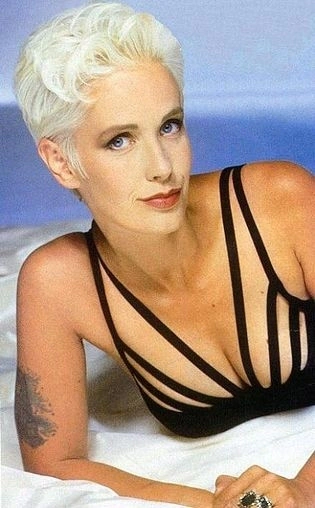
| 2 Quotes | |
| Born as | Paula Elizabeth Yates |
| Occup. | Entertainer |
| From | Welsh |
| Born | April 24, 1960 Colwyn Bay, North Wales, UK |
| Died | September 17, 2000 London, England |
| Aged | 40 years |
| Cite | |
Citation Formats
APA Style (7th ed.)
Paula yates biography, facts and quotes. (2026, February 11). FixQuotes. https://fixquotes.com/authors/paula-yates/
Chicago Style
"Paula Yates biography, facts and quotes." FixQuotes. February 11, 2026. https://fixquotes.com/authors/paula-yates/.
MLA Style (9th ed.)
"Paula Yates biography, facts and quotes." FixQuotes, 11 Feb. 2026, https://fixquotes.com/authors/paula-yates/. Accessed 23 Mar. 2026.
Early Life and Background
Paula Elizabeth Yates was born on April 24, 1960, in Colwyn Bay on the North Wales coast, a place whose seaside calm stood in contrast to the adult world she would enter early and intensely. Her mother, television presenter Elaine Smith, moved in media circles, and Yates grew up around studios, performers, and the brisk professionalism of broadcasting. That proximity gave her a precocious sense of how fame is made - and how it can hollow out private life.Her childhood was also shaped by unstable family narratives and the unsettling discovery, later in adolescence, that the man she believed to be her father was not her biological parent. The shifting ground of identity and belonging became a quiet undertow in her adult life: she projected fearless intimacy on screen, yet carried a private, often-anxious need to be chosen and held. By the time she reached London as a young woman, she already possessed the mix that would define her public persona - impish confidence, emotional candor, and a readiness to turn vulnerability into performance.
Education and Formative Influences
Yates attended schools in England and, as a teenager, moved in the orbit of London style and music journalism, where the late-1970s press blurred reporting, nightlife, and self-invention. Punk and post-punk culture offered a template for her later interviewing style: quick, anti-reverential, and allergic to pomposity. She learned from the era's magazines and television that the new celebrity economy rewarded those who could make the camera feel like a confidant - and that women in entertainment were expected to be both disarming and indestructible.Career, Major Works, and Turning Points
Yates rose to prominence on British television in the 1980s, becoming synonymous with a more intimate form of music interviewing that matched the decade's appetite for personality over distance. Her presenting work - including the influential ITV music show "The Tube" and later "The Big Breakfast" - made her a recognizably modern figure: flirtatious without being submissive, empathetic without surrendering control, willing to meet stars on emotional ground rather than pedestal. Her personal life became inseparable from her fame: marriage to musician and Boomtown Rats frontman Bob Geldof in 1986, motherhood, and then her highly publicized relationship with INXS singer Michael Hutchence. Hutchence's death in 1997 and Yates' subsequent loss of custody battles and tabloid harassment marked the decisive turning point from chaotic glamour to visible crisis.Philosophy, Style, and Themes
Yates' on-screen philosophy was closeness as a method. She treated interviews less as interrogations than as improvised relationships, coaxing guarded performers into revealing gestures, jokes, and admissions they did not expect to make. The style brought warmth and danger in equal measure: warmth because she listened and mirrored, danger because her own emotional openness could blur boundaries between the professional self and the private one. In an era when celebrity became increasingly confessional, Yates anticipated the culture that would later turn disclosure into currency - and she paid, repeatedly, for being too legible.Her inner life, as it appears through interviews and later statements, reads like a struggle to rebuild coherence after successive shocks. “Now I'm starting, relatively, to think straight again. I live one day at a time, one hour at a time. What makes it all worthwhile is my children”. The sentence is practical, almost triage-like, and it reveals a mind trying to impose structure on chaos by shrinking time into manageable units and anchoring identity in motherhood. After Hutchence's death, the tone turns from management to rupture: “When Michael died I was tipped over the edge. I was beyond grief”. The psychology is stark - not sorrow as a feeling, but sorrow as a state that dissolves the self, leaving her exposed to addiction, scrutiny, and a public that mistook collapse for scandal.
Legacy and Influence
Yates died on September 17, 2000, at 40, in London, from a heroin overdose, after years in which tabloids treated her as both entertainment and cautionary tale. Yet her influence on British presenting remains durable: she helped normalize a more emotionally literate, less deferential mode of interviewing that shaped later music and breakfast television, and she modeled a kind of feminine authority built on quick intelligence rather than hardness. Her story also endures as a portrait of late-20th-century celebrity culture at its most predatory - a period when private grief became public property - and as a reminder that charisma can be both shield and wound.Our collection contains 2 quotes written by Paula, under the main topics: Parenting - Sadness.
Source / external links