
Peter Camejo Biography Quotes 11 Report mistakes
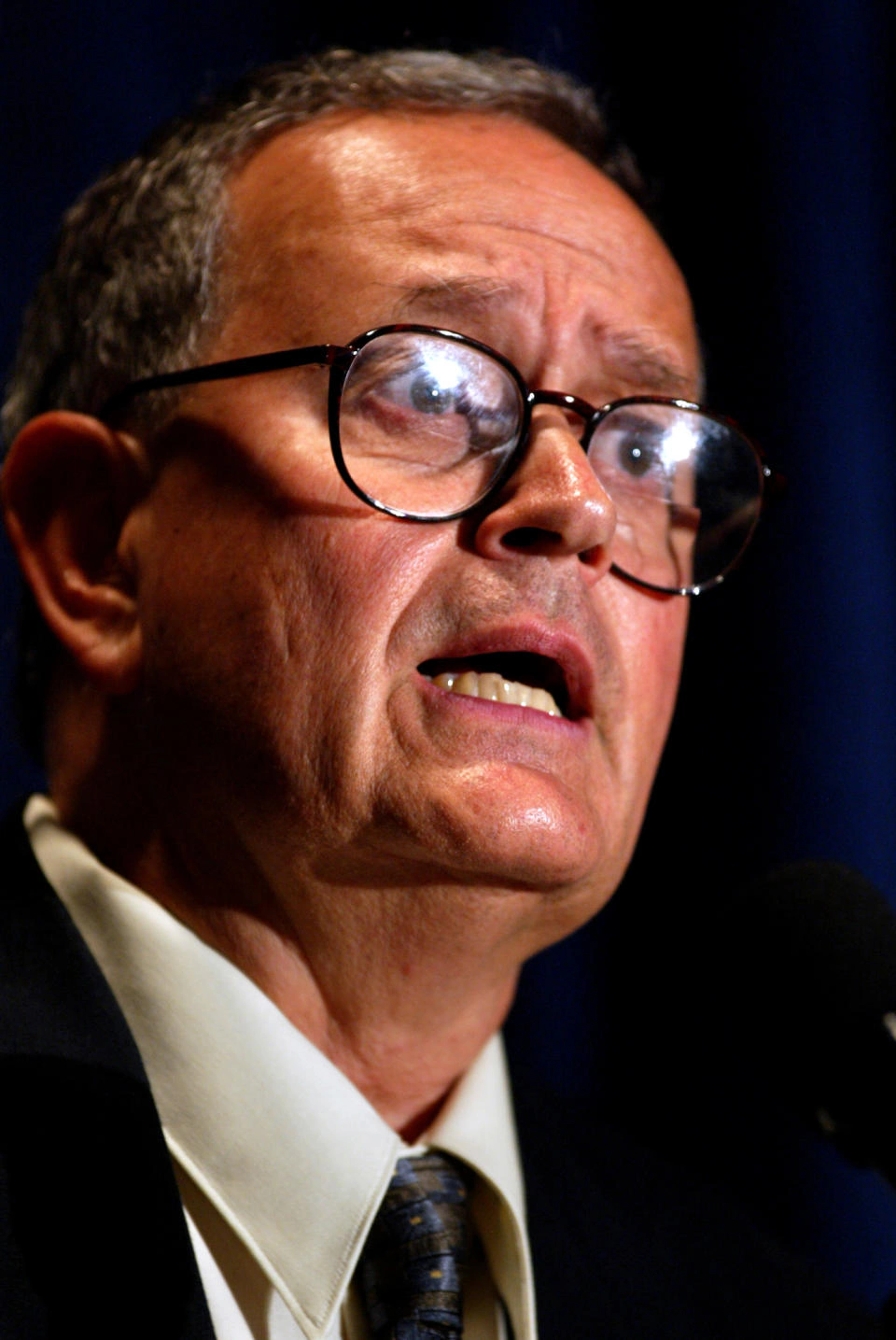
| 11 Quotes | |
| Born as | Peter Miguel Camejo Guanche |
| Occup. | Businessman |
| From | USA |
| Born | December 31, 1939 New York City, New York, USA |
| Died | September 13, 2008 Folsom, California, USA |
| Cause | Lymphoma |
| Aged | 68 years |
| Cite | |
Citation Formats
APA Style (7th ed.)
Peter camejo biography, facts and quotes. (2026, February 11). FixQuotes. https://fixquotes.com/authors/peter-camejo/
Chicago Style
"Peter Camejo biography, facts and quotes." FixQuotes. February 11, 2026. https://fixquotes.com/authors/peter-camejo/.
MLA Style (9th ed.)
"Peter Camejo biography, facts and quotes." FixQuotes, 11 Feb. 2026, https://fixquotes.com/authors/peter-camejo/. Accessed 12 Feb. 2026.
Early Life and Background
Peter Miguel Camejo Guanche was born on December 31, 1939, in New York City, the U.S.-born son of Cuban immigrants whose experience of exile and U.S. life gave him an early, practical education in power, identity, and social status. He grew up bilingual and alert to the gap between official American ideals and the everyday realities of work, policing, and opportunity in a Cold War metropolis that was both a refuge and a proving ground.In the 1950s he came of age as television brought McCarthyism, civil rights conflict, and the Cuban Revolution into the living room. For Camejo, politics was never a spectator sport: it was a question of who gets to speak and who is forced to obey. That tension - between democratic language and gatekept institutions - became a through line in his later campaigns, legal activism, and public arguments about civil liberties and ballot access.
Education and Formative Influences
Camejo attended the University of California, Berkeley during the early 1960s, when the campus was turning into a national symbol of student insurgency, anti-racist organizing, and resistance to the Vietnam War. Berkeley sharpened his sense that movements require organization, but also that organization without democracy becomes another form of domination. In that atmosphere he gravitated toward socialist politics and antiwar activism, learning to speak in public, to debate, and to treat politics as something measured not only by electoral wins but by whether ordinary people gain confidence and leverage.Career, Major Works, and Turning Points
Camejo emerged as a prominent figure in the U.S. far left as a leader in the Socialist Workers Party, running for president in 1976 and for other offices in a period when third parties served as training grounds for activists and as pressure points on the political mainstream. In later decades he moved into finance, becoming a successful money manager while continuing to argue that economic literacy should serve democratic accountability. His most visible second act came with the Green Party: he was Ralph Nader's vice-presidential running mate in 2004, then the Green candidate for governor of California in 2006 (and later for lieutenant governor in 2007), using campaigns as platforms to challenge war policy, corporate influence, and restrictive election rules. He died on September 13, 2008, after a long illness, still identified with the idea that dissent must be institutional as well as moral.Philosophy, Style, and Themes
Camejo's politics fused insurgent populism with a constitutionalist streak that treated civil liberties as non-negotiable, especially in the post-9/11 security state. He argued that the Patriot Act was not a technical adjustment but a rupture in the American legal tradition: "I really think the Patriot Act violates our Constitution. It was, it is, an illegal act. The Congress, the Senate and the president cannot change the Constitution". Psychologically, that insistence revealed a mind suspicious of euphemism - he preferred blunt categories like lawful/unlawful, democratic/undemocratic - and a temperament that viewed fear-based politics as a form of mass manipulation.His style was combative but instructional, aiming to make dissent feel normal and practical rather than romantic. He framed third-party politics as a long game of expanding what could be said on a debate stage and what could be imagined outside the two-party duopoly. "Much of what we see in America, what most people feel has been progress and good things, have been brought about by the existence of third parties". That argument was also self-portrait: he lived as if marginality could be a position of leverage, and he treated campaigns as civic education, not personal branding. Even his foreign-policy positions emphasized agency and consent over U.S. managerial power: "Deep down, the Iraqi people want the United States out. And their self-determination should be respected". Across issues, the recurring theme was the dignity of self-rule - for individuals facing surveillance, for voters facing exclusion, and for nations facing occupation.
Legacy and Influence
Camejo left an unusual legacy precisely because he crossed worlds that rarely meet: revolutionary socialism, professional finance, and Green electoral insurgency. Supporters remember a strategist who could translate radical critique into ballot arguments and media-ready claims, while critics saw a perpetual dissenter; both assessments capture his central influence - modeling a politics that refuses permission. In an era when third parties were often dismissed as spoilers, he kept returning to structural questions about who is heard, how laws narrow democracy, and how fear expands state power, making him a continuing reference point for Green organizers, civil-liberties advocates, and activists who believe that democratic culture depends on voices outside the sanctioned spectrum.Our collection contains 11 quotes written by Peter, under the main topics: Freedom - Equality - Human Rights - War - Privacy & Cybersecurity.
Frequently Asked Questions
- Peter Camejo this is the great power of the two party system: Peter Camejo critiqued the two-party system in the United States, arguing that it limits the political landscape and suppresses alternative voices. He believed the two-party system maintains power by marginalizing third-party candidates.
- Peter Camejo ultraleftism: Peter Camejo was known for his involvement in leftist politics and was once associated with the ultraleft. He ran for political office several times, including as a presidential candidate for the Socialist Workers Party.
- How old was Peter Camejo? He became 68 years old
Peter Camejo Famous Works
Source / external links