
Peter Knights Biography Quotes 11 Report mistakes
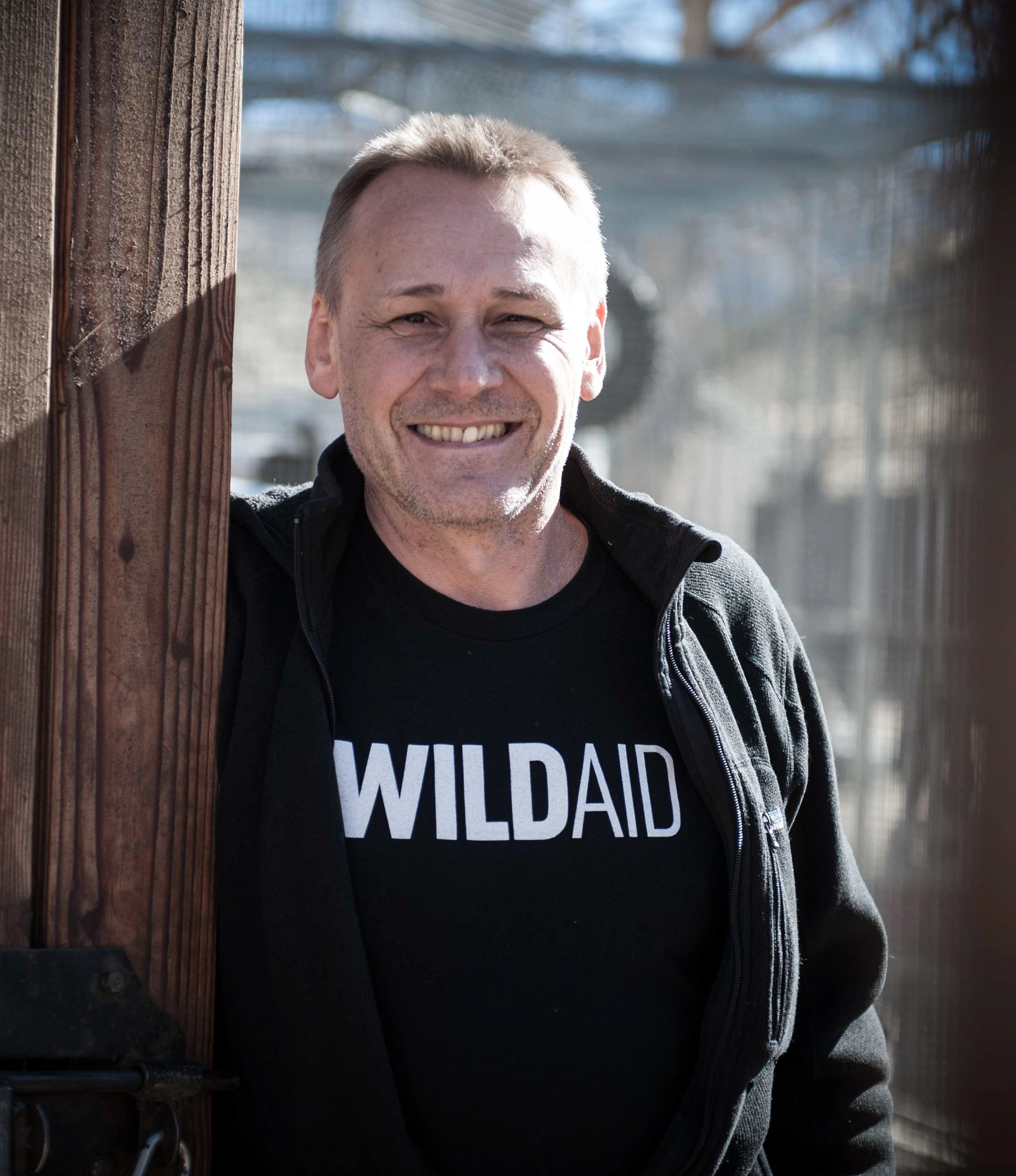
| 11 Quotes | |
| Occup. | Activist |
| From | United Kingdom |
| Born | 1961 |
| Cite | |
Citation Formats
APA Style (7th ed.)
Peter knights biography, facts and quotes. (2026, February 11). FixQuotes. https://fixquotes.com/authors/peter-knights/
Chicago Style
"Peter Knights biography, facts and quotes." FixQuotes. February 11, 2026. https://fixquotes.com/authors/peter-knights/.
MLA Style (9th ed.)
"Peter Knights biography, facts and quotes." FixQuotes, 11 Feb. 2026, https://fixquotes.com/authors/peter-knights/. Accessed 12 Feb. 2026.
Early Life and Background
Peter Knights was born around 1961 in the United Kingdom, coming of age during a period when British civic life was being reshaped by late-Cold War anxiety, deindustrialization, and the rise of televised humanitarian campaigns. That mix - domestic unease paired with an expanding awareness of global interdependence - formed a backdrop for a kind of activism that treated distant crises as morally immediate. In Britain, the language of responsibility was increasingly applied not only to labor and welfare but also to the environment, with wildlife and habitat loss moving from niche concern to mainstream debate.Knights temperament, as reflected in his later public arguments, suggests an early attraction to causes where ethics and systems collide: not just the suffering of individual animals, but the human networks that profit from it and the political failures that permit it. He belonged to the first generation for whom conservation was inseparable from globalization - shaped by international travel, mass media, and a growing sense that British consumers were connected to supply chains that reached into forests, rivers, and markets far beyond Europe.
Education and Formative Influences
Public details of Knights formal education are limited, but his mature work bears the stamp of a self-directed, interdisciplinary formation: a fluency in policy language, a campaigners instinct for narrative, and an organizers concern with incentives and enforcement. He emerged in an era when environmentalism split into complementary tracks - grassroots mobilization, NGO professionalism, and international governance - and he learned to move between them, treating scientific evidence, law, and public persuasion as mutually reinforcing tools rather than competing identities.Career, Major Works, and Turning Points
Knights became best known as a UK-linked conservation activist focused on the illegal wildlife trade and the protection of endangered species, with particular attention to how trafficking undermines governance and security. His career arc reflects a broader turning point in modern conservation: the shift from saving emblematic animals primarily through protected areas to confronting the transnational criminal economies that drive poaching and trafficking. Over time, his advocacy emphasized coalition-building - aligning conservation groups with law enforcement, public health voices, and anti-corruption reformers - and pressing for measures that reduce demand as well as supply, so that protection is not a temporary patch but a structural change in how wildlife is valued.Philosophy, Style, and Themes
Knights public philosophy treats conservation as a test of political maturity: the willingness to accept long time horizons and to defend the vulnerable - species and ecosystems - against short-term profit. His message is often framed in moral language that refuses consolation. "We cannot afford to lose any more species to extinction. It is our responsibility to protect and preserve the natural world for future generations". The psychology behind this stance is revealing: it is not romantic nature worship, but an ethic of stewardship under pressure, with responsibility replacing nostalgia as the central emotion. Even when speaking about iconic animals, he uses them as gateways to a larger argument about human obligation and the permanence of loss.At the same time, Knights is not naive about power. He consistently casts wildlife crime as a governance problem as much as a cruelty problem, arguing that trafficking thrives where institutions are weak and bribery is routine. "The illegal wildlife trade is a multibillion-dollar criminal enterprise that fuels corruption, undermines the rule of law, and threatens global security". That framing signals a strategic mind: by linking conservation to security and rule of law, he broadens the constituency for action beyond animal lovers. Yet the emotional core remains an insistence on dignity for nonhuman life - a refusal to let markets define what is precious. "We need to change our attitudes towards wildlife and recognize that these animals are not commodities to be bought and sold. They are living beings that deserve our respect and protection". Across his work, urgency is balanced by practicality: change the incentives, raise the risks for traffickers, reduce demand, and treat communities as partners rather than scenery in a foreign drama.
Legacy and Influence
Knights enduring influence lies in helping popularize a modern, systems-based conservation ethic: endangered species protection as an anti-corruption, public-safety, and governance agenda, not merely a charitable cause. In the UK and internationally, that approach has helped reshape how policymakers, journalists, and NGOs describe wildlife trafficking - from a sad story of vanishing animals to a complex political economy that can be disrupted through coordinated enforcement, consumer education, and sustained public will. His legacy is thus both rhetorical and practical: he has contributed to making it harder for the world to look away by insisting that what happens to wildlife is inseparable from what societies permit themselves to become.Our collection contains 11 quotes written by Peter, under the main topics: Motivational - Justice - Nature - Vision & Strategy.
Source / external links