
Peter Knights Biography Quotes 11 Report mistakes
| 11 Quotes | |
| Occup. | Activist |
| From | United Kingdom |
| Born | 1961 |
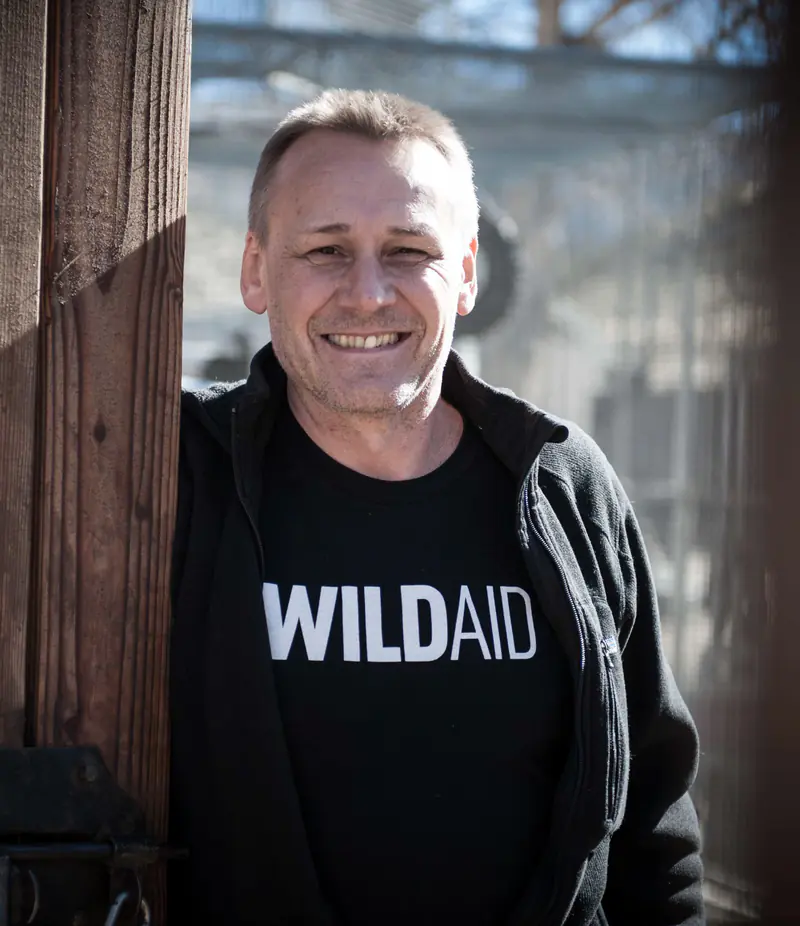
Peter Knights is widely known as a British-born conservationist and campaigner who came of age during the environmental awareness movements of the late twentieth century. Born in the 1960s in the United Kingdom, he grew up at a time when wildlife documentaries and early global conservation campaigns were beginning to reach mainstream audiences. Those influences, along with growing awareness of the scale of the illegal wildlife trade, shaped the direction of his professional life. While details about his early schooling and family are not prominent in the public record, accounts of his career consistently point to a persistent curiosity about how markets, media, and policy interact to affect the fate of endangered species.
Entry into Wildlife Conservation
By the 1990s, Knights had oriented his career toward combating the international trade in endangered species. He developed a specialization in wildlife trade dynamics, examining how incentives, consumer preferences, and global supply chains drive poaching and trafficking. In this period he worked alongside conservation professionals and investigators who were documenting the impact of demand for products such as shark fin, ivory, rhino horn, and traditional medicine ingredients. His early work emphasized that enforcement at the source was necessary but insufficient without confronting demand in consumer markets.
Founding Vision and Organizational Leadership
In the early 2000s, Knights co-founded WildAid and became its leading figure, serving as executive director and later as chief executive. He helped articulate a simple, powerful premise for the organization: when the buying stops, the killing can too. That message crystallized an approach centered on reducing consumer demand for wildlife products by using mass media, cultural influencers, and strategic partnerships. Colleagues such as Steve Trent were part of the organization's early development, and over time Knights assembled teams across Asia, Africa, and the Americas to localize campaigns and build relationships with broadcasters, advertisers, and community leaders.
Strategy: Demand Reduction and Public Awareness
Knights pursued a media-first strategy that leveraged donated airtime and pro bono creative work to reach audiences at scale. Rather than focusing only on interdiction or protected areas, he advanced the idea that shifting social norms and consumer behavior could rapidly reduce incentives for poaching. Under his leadership, WildAid launched public service announcements and documentary segments in major markets, especially in East Asia, featuring athletes, actors, and business leaders. The campaigns presented wildlife products as socially unacceptable, unfashionable, and harmful, reframing consumption as a community-level problem with real-world consequences for iconic species.
Collaborators and Public Figures
A hallmark of Knights's approach has been close collaboration with public figures who could carry messages beyond traditional conservation circles. Partnerships with Yao Ming brought global attention to shark fin soup and the plight of sharks, while Jackie Chan appeared in widely circulated spots denouncing rhino horn and other illegal products. Chinese actress Li Bingbing lent her voice to elephant and shark campaigns, helping anchor messages in local culture and language. In another set of initiatives, David Beckham and Prince William joined awareness efforts aimed at curbing demand for ivory and rhino horn. These collaborations, alongside work with journalists, filmmakers, and regional conservationists, created a coalition around Knights that blended celebrity reach with policy advocacy.
Campaigns and Areas of Focus
Knights's portfolio spanned multiple species and issues. He championed efforts to reduce shark fin demand, a campaign associated with a noticeable decline in consumption across key urban centers. He promoted messaging on ivory that coincided with rising public support for domestic ivory trade restrictions in major markets. He also supported initiatives to safeguard manta rays and several shark species through international agreements, aligning public pressure with regulatory change. Campaigns on pangolins, rhinos, and sea turtles broadened the scope of the work, connecting biodiversity loss to cultural traditions, health myths, and the modern realities of transnational trafficking.
Policy Interface and International Forums
While best known for public outreach, Knights and his teams also interfaced with policy processes. They worked with local partners to provide communications support around milestones in international wildlife governance, including listings of threatened species and enforcement cooperation. The aim was to ensure that shifts in law were accompanied by changes in public attitudes, so that new rules would be reinforced by social norms and consumer behavior.
Organizational Growth and Team Culture
As WildAid expanded, Knights emphasized building in-country teams and partnerships with domestic NGOs and media networks. Producers, editors, and campaign managers in cities such as Beijing, Shanghai, Hanoi, Bangkok, Nairobi, and Dar es Salaam became central to the model. Knights worked closely with communications strategists and conservation scientists to craft messages that were both accurate and accessible, and with legal and program staff to measure outcomes, such as changes in consumer awareness and reported demand.
Public Engagement and Thought Leadership
Knights became a visible spokesperson for demand reduction, frequently speaking at conferences, in news interviews, and at universities. He explained how donated media space, targeted messaging, and cultural ambassadors could achieve outsized impact relative to budget. He argued that celebrating positive change was as important as exposing harm, often highlighting shifts in social norms as evidence that communities could move quickly once information spread.
Impact and Ongoing Work
Assessments of the campaigns he led note associations between public outreach and changes in purchasing behavior, along with broader signals such as decreased availability of certain products in restaurants and shops. While multiple factors influence such trends, Knights's work helped mainstream the idea that consumer choices are pivotal to conservation outcomes. He has continued to guide programs that evolve with new platforms and audiences, from traditional television to digital and social media, maintaining a focus on local voices and culturally resonant storytelling.
Legacy and Influence
Peter Knights's legacy lies in recentering conservation around the power of persuasion, culture, and public attention. By bringing people like Yao Ming, Jackie Chan, Li Bingbing, David Beckham, and Prince William into sustained campaigns, and by working with colleagues such as Steve Trent and numerous regional partners, he fostered a model in which awareness, pride, and social responsibility drive change. His career demonstrates how strategic communication, paired with policy and enforcement, can shift markets and give endangered species a fighting chance.
Our collection contains 11 quotes who is written by Peter, under the main topics: Motivational - Justice - Nature - Vision & Strategy.
Source / external links