
Peter Marshall Biography Quotes 13 Report mistakes
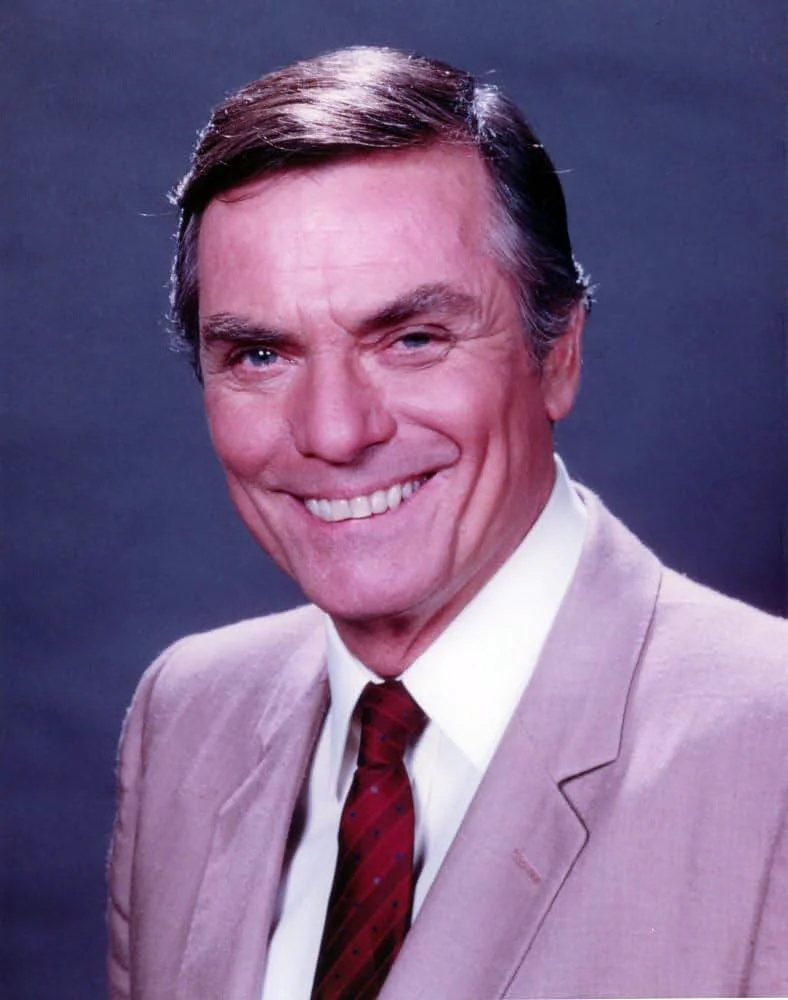
| 13 Quotes | |
| Occup. | Clergyman |
| From | Scotland |
| Born | May 27, 1902 Coatbridge, Scotland |
| Died | January 26, 1949 Washington, DC, USA |
| Aged | 46 years |
| Cite | |
Citation Formats
APA Style (7th ed.)
Peter marshall biography, facts and quotes. (2026, February 11). FixQuotes. https://fixquotes.com/authors/peter-marshall/
Chicago Style
"Peter Marshall biography, facts and quotes." FixQuotes. February 11, 2026. https://fixquotes.com/authors/peter-marshall/.
MLA Style (9th ed.)
"Peter Marshall biography, facts and quotes." FixQuotes, 11 Feb. 2026, https://fixquotes.com/authors/peter-marshall/. Accessed 6 Mar. 2026.
Early Life and Background
Peter Marshall was born on May 27, 1902, in Coatbridge, Lanarkshire, a hard-edged industrial town in Scotlands Central Belt where iron, coal, and Presbyterian conscience shaped the daily weather of the soul. He grew up in the long shadow of late-Victorian piety and early-20th-century uncertainty, when the old certainties of empire and church were being tested by labor unrest, war memory, and the growing pull of modern secular life. His Scottish upbringing left him with a durable blend of moral seriousness and practical humor - an emotional register that later made his preaching feel both bracing and intimate.Family responsibility came early. After his mother died, Marshall helped care for his younger siblings, an experience that pressed into him a lifelong sympathy for strained households and private griefs. The First World War and its aftermath intensified his sense that suffering was not an abstract theological problem but a common human condition; he would never be content with a faith that floated above loss. Even before his public career, those years trained his inner life toward a disciplined hope - not optimism, but the stubborn decision to act as if God was present in the rough textures of ordinary days.
Education and Formative Influences
Marshall emigrated to the United States in the 1920s, a move that placed a Scottish Presbyterian temperament into the plural, restless religious marketplace of modern America. He trained for ministry at Columbia Theological Seminary in Decatur, Georgia, absorbing Reformed theology while also learning the American idiom of direct address, public persuasion, and civic religion. The era mattered: Prohibition, the rise of mass media, and the cultural aftershocks of war created audiences hungry for moral clarity without sectarian narrowness, and Marshall learned to speak to that hunger with a Scotsmans urgency and an immigrants gratitude.Career, Major Works, and Turning Points
Ordained in the Presbyterian Church (USA), Marshall served congregations in Georgia and later at New York Avenue Presbyterian Church in Washington, D.C., where his preaching drew national attention for its plain-spoken fervor and vivid, story-driven application. His pivotal appointment came in 1947, when he became Chaplain of the United States Senate, serving during the fraught early Cold War years of ideological fear, postwar realignment, and expanding American global responsibility. In that role he became a recognizable voice of public prayer, threading personal repentance into institutional life, and insisting that policy, like character, must answer to a moral horizon. Illness cut his work short; he died on January 26, 1949, at just 46, leaving behind sermons, prayers, and a model of civic ministry that outlived his brief tenure.Philosophy, Style, and Themes
Marshall's inner psychology was marked by two forces held in tension: a pastoral tenderness for individual weakness and an unsparing demand for moral decision. His sermons and Senate prayers were rarely vague; they aimed to produce movement, not mere sentiment. He repeatedly framed freedom as a calling rather than a permission slip - “May we think of freedom, not as the right to do as we please, but as the opportunity to do what is right”. The line captures his Reformed sense of the will: liberty becomes real only when disciplined toward the good, and nations, like persons, can squander their gifts by confusing choice with virtue.He also resisted the popular spiritual fantasy of painless progress. In Marshall's worldview, difficulty was not a sign of abandonment but the normal environment where character is forged and prayer becomes concrete. “When we long for life without difficulties, remind us that oaks grow strong in contrary winds and diamonds are made under pressure”. Such imagery reveals a man who had watched responsibility arrive early and understood that endurance is not passive. Yet he did not romanticize struggle; he pushed it toward ethical action: “The measure of life is not its duration, but its donation”. That sentence is as much a self-portrait as a maxim - a minister racing a short lifespan, converting urgency into service, and measuring holiness by what is given away.
Legacy and Influence
Marshall helped define the modern American idea of the national chaplain as more than a ceremonial figure: a moral interpreter who can speak penitence, purpose, and restraint into public power without collapsing into partisanship. After his death, his prayers and sermons circulated widely, amplified by the public fascination with faith that could sound both traditional and immediate in an age of anxiety. His influence persists less as a doctrinal system than as a stance - intellectually serious, emotionally honest, and oriented toward duty - reminding later clergy and civic leaders that public words can still be accountable to conscience, and that a life, however brief, can be made weighty by what it dares to give.Our collection contains 13 quotes written by Peter, under the main topics: Motivational - Wisdom - Leadership - Freedom - Meaning of Life.
Other people related to Peter: Rip Taylor (Comedian)