
Peter Schuyler Biography Quotes 11 Report mistakes
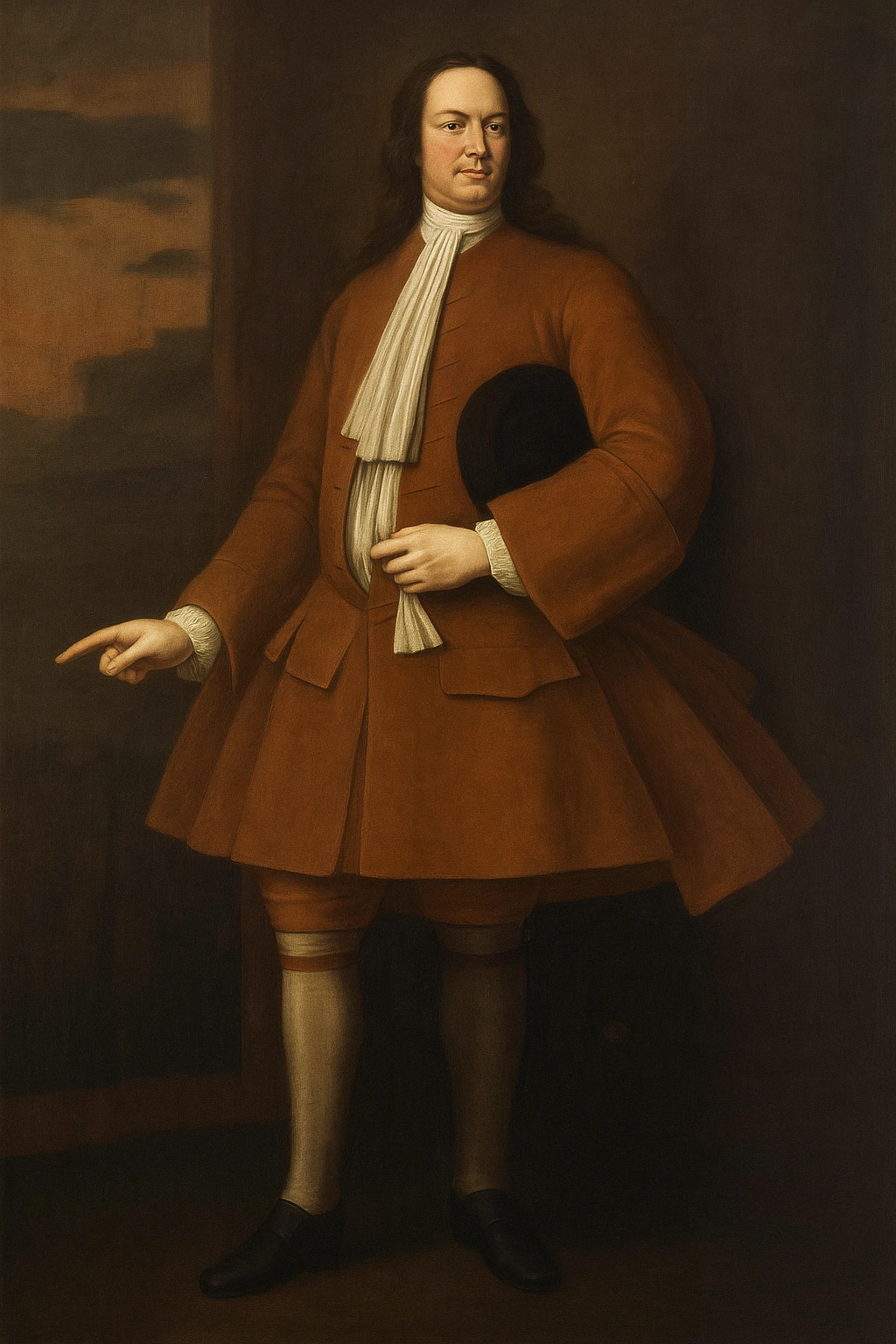
Attr: New York State Museum
| 11 Quotes | |
| Occup. | Politician |
| From | England |
| Born | September 17, 1657 Beverwijck, New Netherlands |
| Died | February 19, 1724 Albany, Province of New York |
| Aged | 66 years |
| Cite | |
Citation Formats
APA Style (7th ed.)
Peter schuyler biography, facts and quotes. (2026, February 11). FixQuotes. https://fixquotes.com/authors/peter-schuyler/
Chicago Style
"Peter Schuyler biography, facts and quotes." FixQuotes. February 11, 2026. https://fixquotes.com/authors/peter-schuyler/.
MLA Style (9th ed.)
"Peter Schuyler biography, facts and quotes." FixQuotes, 11 Feb. 2026, https://fixquotes.com/authors/peter-schuyler/. Accessed 12 Feb. 2026.
Early life and family
Peter Schuyler (c. 1657, 1724) emerged from the Dutch mercantile elite of the upper Hudson rather than from England. Born at Beverwyck, soon to be renamed Albany after the English conquest of New Netherland, he was the son of Philip Pieterse Schuyler, an immigrant entrepreneur from the Netherlands, and Margarita Van Slichtenhorst. The Schuylers stood at the nexus of the fur trade, local landholding, and frontier diplomacy. Peter's siblings included Arent Schuyler, a trader and soldier who later ranged into New Jersey, and Alida Schuyler, who married Robert Livingston the Elder, the powerful manor lord and Albany official. These family ties knit Peter into a network that included the Van Rensselaers, Van Cortlandts, and Van Schaicks, linking him to nearly every important decision-maker along the Hudson.Frontier upbringing and languages
Raised in a community where Dutch, Mohawk, Mahican, and, after 1664, English voices mingled, Schuyler learned to navigate multiple cultures. He acquired fluency in Indigenous diplomacy, sufficient command of local languages to negotiate directly, and a reputation for fair dealing that endured among the Mohawk. His Mohawk allies called him Quider, a name that appears in colonial records and underscores how he became a trusted interpreter of European intentions. From an early age he embraced the Albany ethic: trade sustained the town, but survival on the frontier depended on honoring covenants with the Five Nations.Entry into public life
Schuyler's rise in civic affairs coincided with the reorganization of colonial governance under Governor Thomas Dongan. In 1686, the Dongan Charter incorporated Albany as a city, and Schuyler became its first mayor. Working often alongside Robert Livingston, who served as city clerk and secretary for Indian affairs, he helped build municipal institutions: a common council, a regulated market, systems for fortifications and patrols, and a framework for licensing the fur trade. The delicate balance he pursued, encouraging commerce while discouraging private dealing that might offend the Five Nations, set a template for Albany's public life.Crisis and war on the northern frontier
The 1690s were dominated by the turbulence of King William's War. After the devastating attack on nearby Schenectady in 1690, Schuyler coordinated defenses and relief with Albany's militia captains and Iroquois partners. He then stepped onto the larger stage as a field commander. In 1691, he led a mixed force of colonial militia and Mohawk warriors against French positions near Montreal, including the hard-fought action at La Prairie. The campaign burnished his reputation as a frontier officer capable of working within Indigenous modes of warfare while maintaining English and Dutch strategic aims.Commissioner for Indian affairs
Albany's most consequential office after the mayoralty was the board that managed relations with the Five Nations. Schuyler served for years as a commissioner for Indian affairs, often pairing with Livingston in negotiating exchanges of prisoners, ratifying treaties, and regulating presents and trade goods. He traveled repeatedly to frontier forts and Mohawk castles to reaffirm alliance terms. His correspondence with colonial governors and with French counterparts, including the officials at Montreal and Quebec, shows a consistent approach: resist French encroachment, nurture the covenant chain, and keep Albany's traders within agreed rules to preserve trust.Queen Anne's War and the London mission
With the outbreak of Queen Anne's War, Schuyler again took on military and diplomatic duties. He worked with Governor Francis Nicholson in the ill-fated 1709 plans to invade Canada and lobbied for imperial support commensurate with the frontier's burdens. In 1710 he accompanied the celebrated delegation later known as the Four Indian Kings to London. There, before Queen Anne and her ministers, Schuyler helped present the case for fortifications, Anglican missionaries acceptable to Haudenosaunee leaders, and sustained material aid. The visit stirred metropolitan interest, and the symbolic gifts and portraits that resulted helped bind the alliance Schuyler had spent decades cultivating.Service on the governor's council and acting executive
Schuyler joined the provincial council in the early eighteenth century and served through successive administrations, including those of the Earl of Bellomont, Lord Cornbury, Robert Hunter, and William Burnet. As senior councillor he occasionally presided in the governor's absence. Most notably, in 1719, 1720 he acted as the colony's chief executive, a role that required balancing New York City merchants' interests with those of the Albany and Mohawk Valley frontier. His memoranda from this period reiterate his long-held view: peace with the Five Nations and a lawful, orderly trade were prerequisites for prosperity.Allies, rivals, and the politics of a small world
Public life in colonial New York was personal. Schuyler's collaboration with Robert Livingston the Elder was productive but sometimes tense, as each guarded institutional prerogatives and family interests. He worked with Johannes Schuyler Sr., a kinsman who would also become mayor, and with leading figures of the Van Rensselaer manor on matters of defense and road building. He negotiated constantly with Mohawk sachems and with envoys from the other nations, maintaining the covenant chain even as French governors and Jesuit emissaries sought to draw Iroquois trade northward. Governors such as Francis Nicholson and Robert Hunter valued his experience, relying on him to interpret frontier news and to mobilize Native allies when alarms sounded.Land, trade, and household
Like many Albany magnates, Schuyler invested in town lots, mills, and outlying farms to anchor his family's fortunes. Marriage alliances connected him to the principal Dutch families of the region, further consolidating influence. He pressed tirelessly for rules that would curb illicit traders who undermined diplomacy by selling alcohol or bypassing agreed protocols. His household received Mohawk visitors as honored guests, a practice consistent with his emphasis on hospitality as a political language.Later years and death
In his final years Schuyler remained on the council and continued as a voice of caution and pragmatism amid imperial projects aimed at reshaping the northern trade. He supported Governor Burnet's efforts to redirect commerce away from Montreal and through Albany, while urging adequate presents and treaty renewals to keep the Five Nations engaged. He died in 1724 at Albany, closing a career that had spanned from the Dongan Charter to the postwar imperial realignments.Legacy
Peter Schuyler's legacy rests on three pillars: municipal leadership as Albany's first mayor, steady stewardship of Indian affairs, and the embodiment of a frontier statesman who could speak persuasively in multiple political idioms. Through his sister Alida's marriage to Robert Livingston and the marriages of his kin into the Van Rensselaer and Van Cortlandt lines, his family network remained central to provincial politics long after his death. Later generations of the wider Schuyler clan would produce figures such as Philip Schuyler of the American Revolution, but the template for combining public office, diplomacy with the Haudenosaunee, and commercial acumen was set in Peter's era. Known to Native allies as Quider and to colonists as a reliable mediator, he helped shape the northern frontier into a zone where covenant and commerce, rather than conquest alone, defined the possibilities of colonial New York.Our collection contains 11 quotes written by Peter, under the main topics: Truth - Justice - Leadership - Honesty & Integrity - War.
Frequently Asked Questions
- Colonel Peter Schuyler: First mayor of Albany and colonial militia leader (1657–1724).
- How old was Peter Schuyler? He became 66 years old
Source / external links