
Phaedrus Biography Quotes 20 Report mistakes
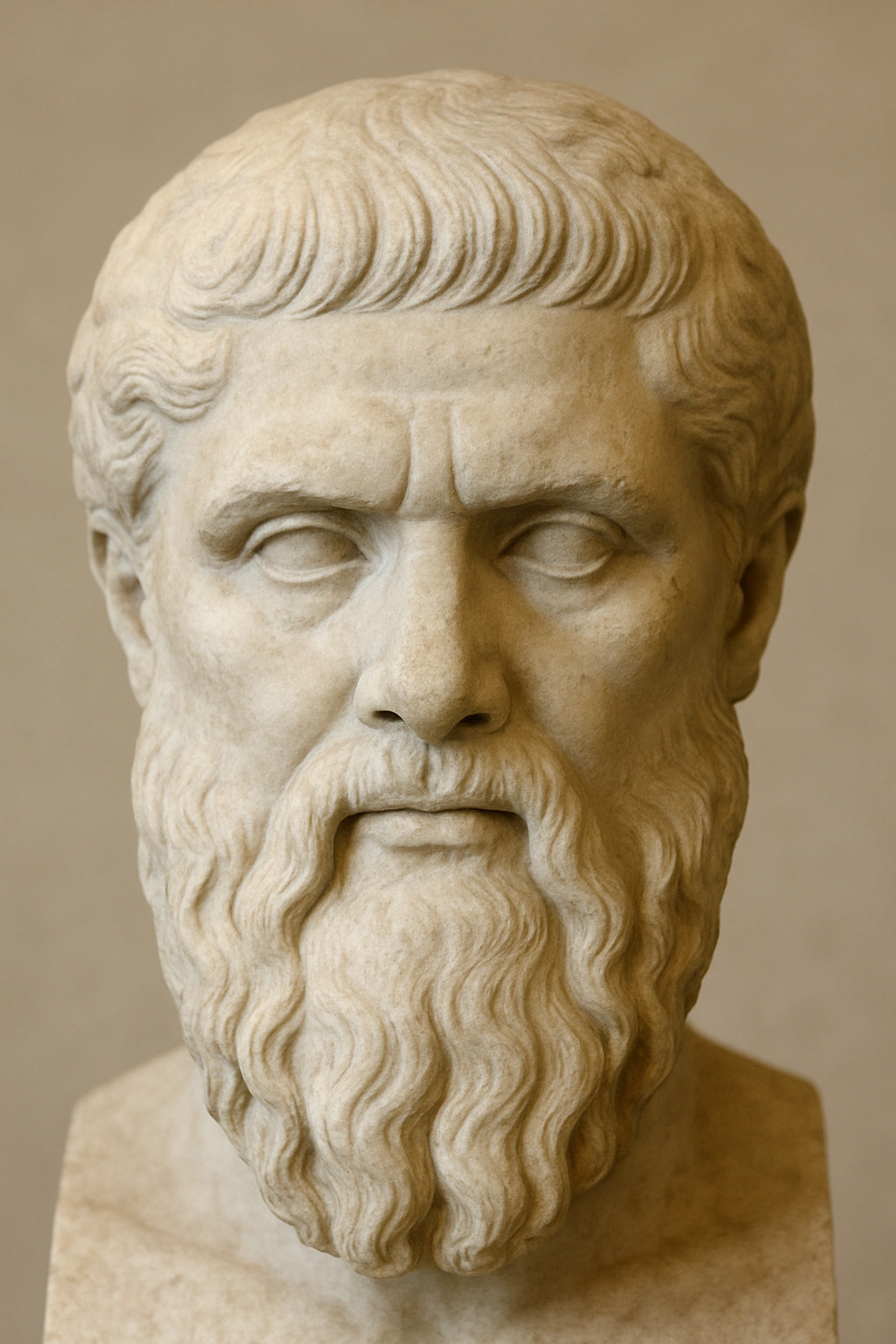
| 20 Quotes | |
| Born as | Gaius Julius Phaedrus |
| Known as | Phaedrus (fabulist) |
| Occup. | Poet |
| From | Rome |
| Born | 15 BC Macedonia, Roman Empire |
| Died | January 1, 50 Rome, Latium, Roman Empire |
| Cite | |
Citation Formats
APA Style (7th ed.)
Phaedrus biography, facts and quotes. (2026, February 11). FixQuotes. https://fixquotes.com/authors/phaedrus/
Chicago Style
"Phaedrus biography, facts and quotes." FixQuotes. February 11, 2026. https://fixquotes.com/authors/phaedrus/.
MLA Style (9th ed.)
"Phaedrus biography, facts and quotes." FixQuotes, 11 Feb. 2026, https://fixquotes.com/authors/phaedrus/. Accessed 5 Mar. 2026.
Early Life and Background
Phaedrus, traditionally known as Gaius Julius Phaedrus, was born around 15 BCE and died sometime after the middle of the first century CE, conventionally placed near 50 CE. Though later readers often assumed a Roman birth, ancient testimony points instead to Macedonia, likely in or near Pydna, with Rome as the city where his adult identity was made. He lived through the consolidation of the Principate, when Augustus' settlement hardened into an empire whose official calm masked surveillance, patronage, and sudden peril.He entered Roman life as a slave and was eventually freed, probably under Augustus, taking the nomen "Julius" in the manner of imperial household manumission. That origin mattered: a freedman could become learned and useful, but he also carried a social mark and a constant need to read the room. Phaedrus internalized the psychology of dependency - the calculus of what could be said, what must be implied, and what had to be disguised as entertainment - and that inner tension became the engine of his art.
Education and Formative Influences
His education was Greek in substance and Roman in deployment. He absorbed the Aesopic tradition and the Hellenistic taste for pointed moral narrative, then learned how Latin could compress speech into epigram and sharpen it into accusation without naming names. As a freedman in imperial Rome, he also learned the practical rhetoric of self-protection: how to flatter without surrendering dignity, how to advise without presuming status, and how to convert private judgment into public story by giving it animal masks.Career, Major Works, and Turning Points
Phaedrus' surviving oeuvre consists of five books of fables in iambic senarii, the first substantial body of Latin verse fable to reach us under a single authorial name. He presents himself as the one who transferred Aesop into Latin, not merely translating but tightening plots, moralizing with a satirist's edge, and inserting prologues and epilogues that reveal his personal stakes. The central turning point in the tradition about his life is conflict under Tiberius, often linked to Sejanus' climate of denunciation; in his own prefatory remarks he implies he was misunderstood or punished for the sting of his moral examples. Whether or not a formal trial occurred, the pressure is real in the text: he writes like a man who has learned that power retaliates, and that allegory is both shield and weapon.Philosophy, Style, and Themes
Phaedrus' philosophy is a freedman's realism: ethics without illusions and politics without romance. He returns obsessively to asymmetry - wolf and lamb, lion and fox, the strong and the exposed - because Rome itself ran on asymmetry. His caution about patronage is not abstract; it is the survival knowledge of someone who has watched fortunes rise and vanish at a nod from above. “An alliance with a powerful person is never safe”. In the world his fables describe, friendship is often a contract written in disappearing ink, and security is provisional. Yet he is not merely cynical; he insists that prudence is a virtue, not cowardice, when structures are stacked against the weak.His style is deliberately economical: quick scene-setting, sharp dialogue, and a moral that lands like a legal verdict. He trusts the reader to see how the animal story maps onto human institutions, but he also knows how easily the obvious can mislead. “Things are not always as they seem; the first appearance deceives many”. This is both a narrative principle and a psychological confession - Phaedrus is preoccupied with surfaces because his own life depended on them, on reading a face, a favor, a threat. Underneath runs a theory of mental discipline: anger, ambition, and fear must be managed like a tool, not indulged like a master. “The bow kept taut will quickly break, kept loosely strung, it will serve you when you need it”. The line doubles as advice for living under emperors: sustain endurance by controlled release, and keep your wit supple enough to survive.
Legacy and Influence
Phaedrus shaped the Western fable tradition by proving that brief animal narratives could carry the weight of social critique in polished verse. His Latin Aesop traveled through late antiquity and the Middle Ages in adaptations and school excerpts, feeding the moral repertory later gathered in Romulus collections and echoed by European fabulists who likewise hid sharp observations under familiar beasts. For biographers, he remains an unusually intimate witness to the inner weather of early imperial life: not a senator's grand history, but the compressed moral psychology of someone close enough to power to fear it, and wise enough to translate that fear into enduring art.Our collection contains 20 quotes written by Phaedrus, under the main topics: Witty One-Liners - Ethics & Morality - Wisdom - Justice - Friendship.
Other people related to Phaedrus: Jean de La Fontaine (Poet), Aesop (Author)
Frequently Asked Questions
- Phaedrus Plato: A dialogue on love and rhetoric with a character named Phaedrus; not the Roman fabulist.
- Phaedrus Zen and the Art of Motorcycle Maintenance: Pirsig’s alter-ego character; unrelated to the poet.
- Phaedrus Athenian: An Athenian in Plato’s works; different from the Roman poet.
- Phaedrus pronunciation: FEE-drus (/ˈfiːdrəs/); also FAY-drus.
- Phaedrus meaning: From Greek 'Phaidros', bright, radiant.
Source / external links