
Philip Massinger Biography Quotes 12 Report mistakes
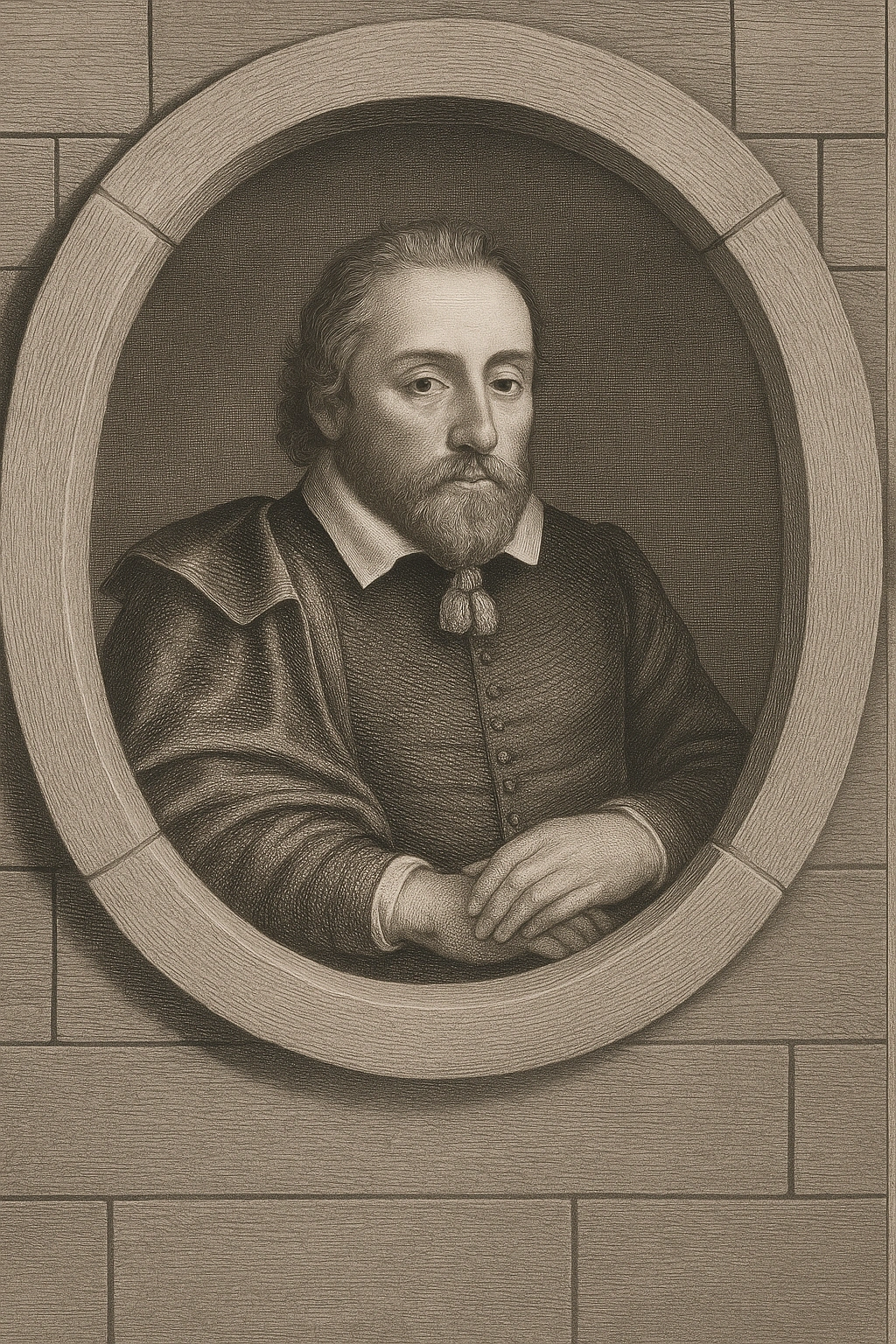
| 12 Quotes | |
| Occup. | Playwright |
| From | United Kingdom |
| Born | 1583 AC Salisbury, Wiltshire |
| Died | March 17, 1640 London |
| Cite | |
Citation Formats
APA Style (7th ed.)
Philip massinger biography, facts and quotes. (2026, February 11). FixQuotes. https://fixquotes.com/authors/philip-massinger/
Chicago Style
"Philip Massinger biography, facts and quotes." FixQuotes. February 11, 2026. https://fixquotes.com/authors/philip-massinger/.
MLA Style (9th ed.)
"Philip Massinger biography, facts and quotes." FixQuotes, 11 Feb. 2026, https://fixquotes.com/authors/philip-massinger/. Accessed 11 Feb. 2026.
Early Life and Background
Philip Massinger was born around 1583, probably in Salisbury, Wiltshire, in the Kingdom of England. His father is generally identified as Arthur Massinger (or Messinger), a retainer or servant connected with the household of Henry Herbert, 2nd Earl of Pembroke. This link to the Pembroke family placed the young Massinger in the orbit of one of the most powerful aristocratic houses of the period, a connection that would later matter for his dedications and sources of patronage, though the exact extent of that support remains uncertain.Massinger was educated at St. Alban Hall, Oxford, where he matriculated in 1602. He did not take a degree, and contemporary and later accounts suggest that financial difficulties and the withdrawal or inadequacy of patronage led to his leaving the university without completing his studies. From this point, little is securely documented about his life until he appears in the theatrical world of London, but scholars infer that the social and economic instability experienced by Massinger in these years helped shape the moral and political preoccupations that would characterize his plays.
Entry into the London Theatre World
By the 1610s, Massinger was working in London as a professional dramatist for the commercial stage. He became closely associated with the King's Men, the company that had earlier been led by William Shakespeare and that included important figures such as John Heminges and Henry Condell among its managers and shareholders. Through this association, Massinger entered an environment in which collaboration between playwrights was common, and he soon formed partnerships with several leading dramatists.One of Massinger's earliest and most significant collaborators was John Fletcher, who had himself worked with Francis Beaumont in the famous Beaumont and Fletcher partnership. After Beaumont's effective withdrawal from playwriting, Fletcher frequently joined forces with Massinger. Their plays for the King's Men and other companies attest to an intimate working relationship, though it is often difficult to separate with certainty which portions of a given text belong to which writer. Other dramatists around Massinger included Nathan Field, with whom he may also have collaborated, and Thomas Dekker, Philip Henslowe, and others who helped define the theatrical life of the period.
Collaboration with John Fletcher
Massinger's collaboration with John Fletcher was central to his early career. Fletcher had inherited a prestigious position in the company after the era of Shakespeare, and work with him gave Massinger ready access to the main stages of London, including the Globe and later Blackfriars. Among the plays that appear to show substantial contributions from both writers are works such as "The False One" and "The Prophetess", though attribution debates continue among scholars.The working methods of Massinger and Fletcher, like those of Beaumont and Fletcher earlier, relied on a shared sense of structure and character but distinct stylistic habits. Fletcher's preference for brisk pacing and romantic or tragicomic effects seems to have combined with Massinger's more overtly moral, political, and didactic tone. They wrote under the patronage of noblemen such as the Earl of Pembroke and the Earl of Montgomery, and they addressed an audience that included both courtly spectators and the broader paying public of London.
Fletcher's death in 1625 left a gap in the company and in Massinger's own professional life. After this point, Massinger increasingly emerged as an independent playwright, taking primary responsibility for the composition of plays while still remaining within networks of theatrical collaboration and revision.
Independent Career and Dramatic Themes
As Massinger came into his own as a solo dramatist, he wrote some of the plays for which he is now best known. "A New Way to Pay Old Debts", probably first performed in the 1620s and printed in 1633, became his most enduring success on the English stage. In this play, the character of Sir Giles Overreach, a grasping and unscrupulous usurer, offers one of the most memorable portraits of social and economic tyranny in early modern drama. Actors in later centuries, including celebrated performers of the 18th and 19th centuries, repeatedly revived the role, helping keep Massinger's name alive when many of his other works were neglected.Massinger's independent plays often explore questions of justice, authority, and conscience, set against a backdrop of courts, noble houses, and city life. "The Roman Actor" (printed 1629) reflects on the place of theatre in society, while "The Duke of Milan" and "The City Madam" engage with power, gender, and wealth. His dramas tend to present intricate plots and relatively clear moral positions, sometimes more direct in their didacticism than the works of some of his contemporaries. Critics have frequently noted that Massinger uses theatrical entertainment to argue for moderation, integrity, and responsible governance, even as he provides the intrigue and spectacle expected by his audiences.
The company structures and patronage networks surrounding Massinger remained important through these years. Figures such as Sir Henry Herbert, Master of the Revels and relative of the influential Pembroke family, oversaw licensing of plays and thus had practical power over what appeared on stage. The interplay between playwrights, company managers like Heminges, noble patrons connected to the court of King James I and later King Charles I, and the city authorities created a complex environment in which Massinger had to negotiate both artistic and political constraints.
Associates, Patrons, and Theatrical Context
Massinger was not a solitary figure but part of a dense community of writers and theatre professionals. Alongside Fletcher, Beaumont, and Field, he was contemporary with Ben Jonson, whose influence on urban comedy and classical form shaped the dramatic landscape in which Massinger worked. While there is no strong evidence of intimate personal ties between Massinger and all of these men, they shared stages, companies, and audiences, and their names appear together in registers, stationers' records, and later commentary.The Pembroke family, notably William Herbert, 3rd Earl of Pembroke, and his brother Philip Herbert, 1st Earl of Montgomery (later 4th Earl of Pembroke), were significant aristocratic patrons of the arts and the theatre. Dedications of plays by Massinger and his contemporaries to the Herberts suggest that he sought and sometimes received their protection and support. Through such patrons, playwrights gained access to court performance opportunities and some financial security, though Massinger's recorded complaints and the fragmentary documentation about his finances hint at recurring hardship.
The playing companies that staged his works were also key actors in his life. The King's Men, successors to the troupe that had performed Shakespeare's plays, remained at the center of London's theatrical world. Their leading actors, such as Richard Burbage earlier and others after him, embodied characters created or shaped by Massinger. Though specific casting for his plays is largely lost, the tradition of strong tragic and comic roles that the company cultivated influenced how he wrote figures like Sir Giles Overreach and the powerful courtiers and rulers who populate his dramas.
Later Years and Death
By the 1630s, Massinger was a well-established, if not extravagantly rewarded, dramatist. New plays by him continued to appear on the stage, and printers issued his works in quarto editions. He lived in or around London, close to the theatres that produced his plays, during a period of intensifying political and religious tension in England. The growing conflicts between King Charles I and Parliament, and the broader ecclesiastical disputes of the era, formed part of the background to Massinger's final years, though his plays generally treat political and moral issues through historical or foreign settings rather than direct comment on immediate English controversies.Massinger died around March 1640. Contemporary accounts state that he was found dead in his bed in his lodging, having apparently died suddenly. He was buried on 18 March 1640 in the churchyard of St. Saviour's, Southwark (later Southwark Cathedral), a parish closely associated with the theatres south of the Thames, including the Globe and the Bear Garden. Tradition holds that he was buried in the same grave as John Fletcher, reinforcing the symbolic link between two dramatists whose careers had been intertwined on the London stage.
Posthumous Reputation and Legacy
After Massinger's death, the outbreak of the English Civil War and the closure of the public theatres in 1642 disrupted the dramatic culture that had sustained him. Many of his plays remained in manuscript, and some were lost. Nevertheless, a number of his works were preserved in print, and later 17th- and 18th-century editors and critics gradually pieced together his canon, often in conjunction with that of Fletcher and Beaumont.While he never achieved the singular fame of Shakespeare, Massinger's reputation among literary historians has rested on his skillful plotting, his clarity of moral vision, and his portrayal of social and economic tensions. His association with figures such as John Fletcher, the Pembroke patrons, and the company of the King's Men places him at a crucial junction between the Jacobean and Caroline theatre and the traditions of later English drama. "A New Way to Pay Old Debts" in particular ensured that his name continued to be spoken on the stage long after his death, as actors and audiences revisited the figure of Sir Giles Overreach to explore the destructive power of greed and ambition.
Through these plays and the theatrical networks in which he operated, Philip Massinger remains recognized as a significant English playwright of the early 17th century, working alongside and after some of the most notable dramatists of his age and contributing to the rich, collaborative culture of the pre-Civil War London theatre.
Our collection contains 12 quotes written by Philip, under the main topics: Wisdom - Love - Mortality - Sarcastic - Leadership.
Other people related to Philip: John Ford (Dramatist), William Rowley (Dramatist), James Shirley (Dramatist)
Frequently Asked Questions
- Philip Massinger A New Way to Pay Old Debts: A New Way to Pay Old Debts is Massinger’s best-known comedy, featuring the villain Sir Giles Overreach and satirizing greed and corruption.
- Philip Massinger pronunciation: Philip Massinger is usually pronounced FIL-ip MASS-in-jer.
- Philip Massinger plays: Philip Massinger wrote plays such as A New Way to Pay Old Debts, The Roman Actor, The City Madam, and The Duke of Milan.
Source / external links