
Philip S. W. Goldson Biography Quotes 5 Report mistakes
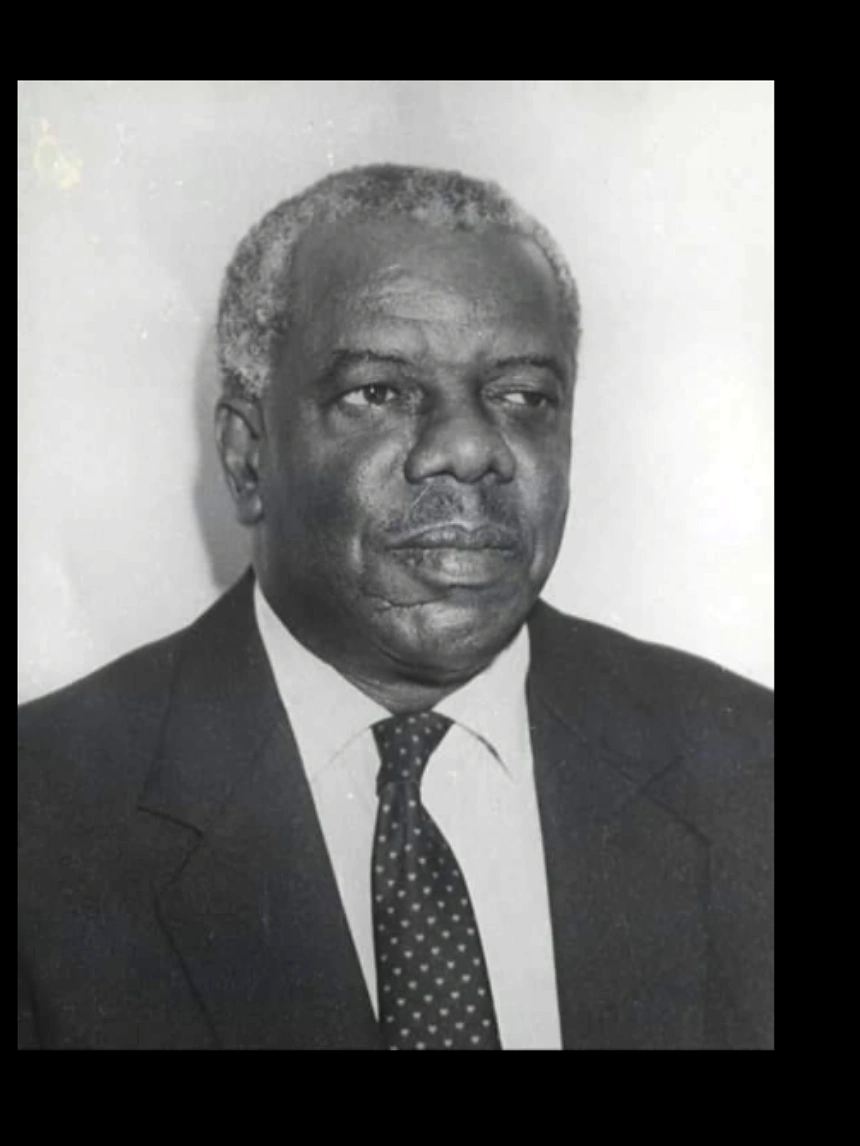
| 5 Quotes | |
| Born as | Philip Stanley Wilberforce Goldson |
| Occup. | Activist |
| From | Belize |
| Born | October 25, 1923 Belize City, British Honduras (now Belize) |
| Died | October 3, 2001 Belize City, Belize |
| Aged | 77 years |
| Cite | |
Citation Formats
APA Style (7th ed.)
Philip s. w. goldson biography, facts and quotes. (2026, February 14). FixQuotes. https://fixquotes.com/authors/philip-s-w-goldson/
Chicago Style
"Philip S. W. Goldson biography, facts and quotes." FixQuotes. February 14, 2026. https://fixquotes.com/authors/philip-s-w-goldson/.
MLA Style (9th ed.)
"Philip S. W. Goldson biography, facts and quotes." FixQuotes, 14 Feb. 2026, https://fixquotes.com/authors/philip-s-w-goldson/. Accessed 29 Mar. 2026.
Early Life and Background
Philip Stanley Wilberforce Goldson was born in British Honduras (later Belize) in 1923, in a colony where the Union Jack flew over a society divided by class, color, and the practical limits of Crown Colony rule. He came of age as the Caribbean debated self-government and labor rights, and as the 1931 hurricane still haunted Belize City as a reminder of how quickly institutions could fail ordinary people. That early atmosphere - vulnerability under empire, and the stubborn mutual aid of small communities - shaped a temperament that treated politics as survival work rather than spectacle.Goldson's public identity formed as much from refusal as from ambition. He grew into a figure willing to be unpopular when principle required it, and he carried the bearing of the civic watchdog: suspicious of easy promises, attentive to procedure, and quick to read the deeper story behind official statements. In a place where politics often meant personal loyalty networks, he cultivated a harder loyalty - to the idea that rights existed before parties and would outlast them.
Education and Formative Influences
His education was partly formal and partly newsroom-made: the discipline of reading closely, checking facts, and arguing in public without losing precision. As a young man he absorbed anti-colonial currents, constitutional debate, and the moral language of the Atlantic democratic tradition, then tested those ideas against local realities - poverty, racial stratification, and an economy dependent on a few exports. The craft that most formed him was journalism, which trained him to write with urgency, to distrust euphemism, and to see freedom as something measured by what citizens could safely say.Career, Major Works, and Turning Points
Goldson became one of Belize's defining activist-journalists and opposition politicians across the mid-to-late 20th century, remembered for treating the press as a civic institution and the opposition role as a form of national service. He helped organize and articulate the early nationalist movement for self-government, later serving in electoral politics and standing as a persistent critic when he believed leaders drifted toward secrecy or personal rule. A major turning point came with state retaliation against dissent - including imprisonment for political activity and speech - which hardened his belief that civil liberties were never permanently won. In later decades, as Belize moved from colony to independent state (1981), Goldson continued to argue that independence without strong democratic habits could become merely a change of flags, not a change of power.Philosophy, Style, and Themes
Goldson's philosophy began with the premise that liberty is a practice, not a possession. “I have always believed that the price of liberty is eternal vigilance, and that no people can remain free if they are not prepared to defend their freedom”. This was not rhetorical flourish but a psychological self-portrait: he was temperamentally vigilant, almost professionally incapable of relaxing around concentrated authority, because he had seen how quickly colonial governance - and later local governments - could treat rights as permissions. His activism framed citizenship as a duty to notice, document, and resist the slow creep of intimidation.His style was blunt, documentary, and moralistic in the best sense - he wrote and spoke as if the public record were sacred. “Freedom of the press is not merely for those who agree with the government; it is most necessary for those who question and criticize it”. In this insistence lies the core theme of his inner life: a fear of silence more than conflict, and a belief that argument is healthier than obedience. He also distrusted the way party loyalty could swallow conscience, warning that “We must never confuse loyalty to a party with loyalty to a country; true patriotism is the courage to speak out when the nation’s interests are at stake”. For Goldson, the democratic personality was a trained habit - the courage to be isolated today so the nation would not be trapped tomorrow.
Legacy and Influence
Goldson died in 2001, but his influence remains woven into Belize's civic vocabulary: the idea that journalism is a public trust, that opposition is a democratic necessity, and that independence must be guarded by institutions and memory. Streets, commemorations, and political lore keep his name visible, yet his deeper legacy is behavioral - a model of the citizen-critic who treats facts as a form of patriotism. In a small country where politics can turn intimate and punitive, Goldson's life continues to argue that the brave act is often simply to insist, in print and in public, that power explain itself.Our collection contains 5 quotes written by Philip, under the main topics: Justice - Freedom.
Source / external links