
Plautus Biography Quotes 43 Report mistakes
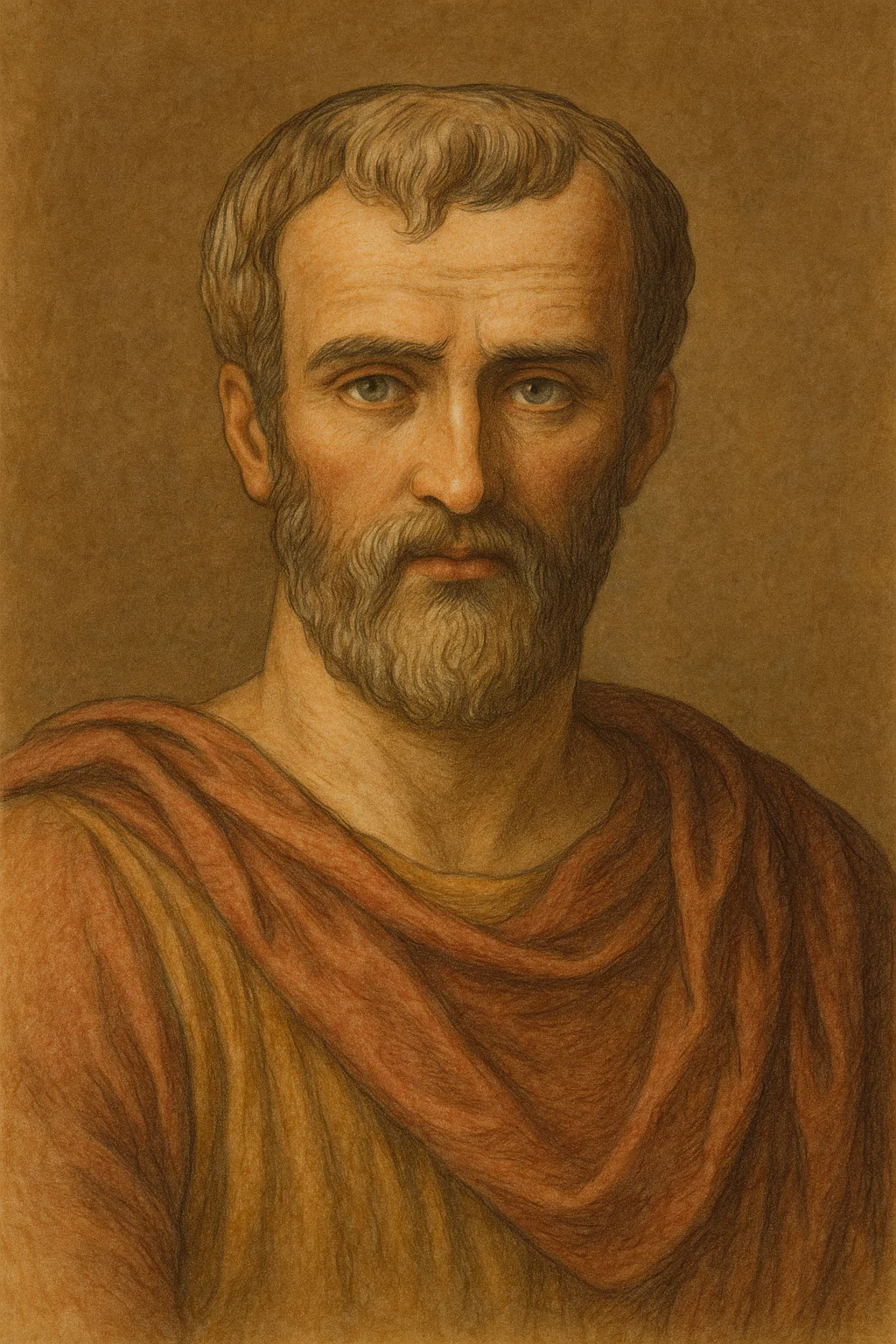
| 43 Quotes | |
| Born as | Titus Maccius Plautus |
| Occup. | Playwright |
| From | Rome |
| Born | 254 BC Sarsina, Umbria |
| Died | 184 BC Rome |
| Cite | |
Citation Formats
APA Style (7th ed.)
Plautus biography, facts and quotes. (2026, February 2). FixQuotes. https://fixquotes.com/authors/plautus/
Chicago Style
"Plautus biography, facts and quotes." FixQuotes. February 2, 2026. https://fixquotes.com/authors/plautus/.
MLA Style (9th ed.)
"Plautus biography, facts and quotes." FixQuotes, 2 Feb. 2026, https://fixquotes.com/authors/plautus/. Accessed 27 Mar. 2026.
Early Life and Background
Titus Maccius Plautus was born around 254 BCE, probably in Sarsina in Umbria rather than in the city of Rome itself, into the rough, mobile Italy of the early Republic. Rome was then expanding violently across the Mediterranean, and Plautus grew up under the long shadow of the Punic Wars, when conscription, sudden wealth, slavery, and cultural borrowing remade daily life. His future comic stage would be crowded with anxious fathers, swaggering soldiers, scheming slaves, and merchants who treat the household like a marketplace - types that made sense in a society where war profits and debt could elevate one man and ruin another overnight.Ancient biography is thin and partly anecdotal, but it preserves a telling pattern: Plautus is said to have worked in or around the theater, later tried his luck in commerce, lost money, and then wrote plays while doing hard labor (often described as turning a mill). Whether literal or moralizing, the story fits the emotional grain of his comedy: a world where status is unstable, the clever improvise, and hunger - for food, sex, cash, applause - drives action as much as virtue. That early proximity to performers, workers, and the cash economy likely gave him his ear for speed, slang, and the satisfactions of reversal.
Education and Formative Influences
Plautus wrote at the moment Rome was absorbing Greek culture while insisting on Roman toughness, and his craft shows a practical rather than aristocratic education: fluent handling of Latin meters, musical scene-structures, and stage business, but also an instinct for what a crowd would pay to hear. His models were Greek New Comedy, especially Menander and his contemporaries, probably through adaptations already circulating in Italy; yet Plautus "Romanized" them with louder appetites, sharper social friction, and a performer-first sense of timing. The public festivals that funded theater - with their jostling audiences and political competition - trained him to write for attention in real time, not for quiet reading.Career, Major Works, and Turning Points
Plautus emerged as the dominant comic playwright of the middle Republic, active mainly from the late 3rd century into the early 2nd century BCE, and he died around 184 BCE. About 130 plays were later attributed to him; 21 survive complete, including Miles Gloriosus (the Braggart Soldier), Pseudolus, Mostellaria (The Haunted House), Bacchides, Captivi, Aulularia (The Pot of Gold), Menaechmi (The Twin Brothers), and Amphitruo. His turning point was not a single premiere but a durable formula: adapt Greek plots, then flood them with Latin verbal fireworks, songs, and the intoxicating promise that the powerless might win - at least for one evening. He wrote for a Rome that was becoming an imperial power and, in the same movement, a city of migrants, slaves, and sudden money; his stage converted that instability into laughter that could be shared across class lines.Philosophy, Style, and Themes
Plautus is often called "low" comedy, but his psychology is acute: he treats moral language as something people use to bargain with, then exposes the fear underneath. When he says, “Nothing is more wretched than the mind of a man conscious of guilt”. he is not preaching so much as staging paranoia - the way a lie makes every footstep sound like an accuser. Many Plautine plots run on that inner pressure: misers guarding coins, pimps guarding girls, fathers guarding reputations, all trying to control a world that keeps slipping its leash.His style is kinetic and musical - rapid-fire puns, coinages, alliteration, and sudden addresses to the audience - and his themes are practical: survival, fellowship, and the economics of affection. “Your wealth is where your friends are”. sounds like a proverb, but in Plautus it is also a strategy: alliances form between slaves and young lovers, parasites and patrons, neighbors and tricksters, because friendship is a kind of currency when legal power is elsewhere. Yet the plays remain wary of permanence: “No blessing lasts forever”. is the shadow behind the happy ending, a reminder that festival time is brief, money runs out, and today's victor may be tomorrow's dupe. His comedies resolve with recognition, ransom, or marriage, but they never stop hinting that fortune, not justice, is the true stage manager.
Legacy and Influence
Plautus shaped the Latin comic tradition and, by extension, much of European farce and plot-comedy: stock characters, mistaken identities, ingenious servants, and the braggart soldier moved from his stage into later Roman comedy, then into Renaissance drama and beyond. Shakespeare drew on Plautine twins and confusions in The Comedy of Errors; Moliere and commedia dell'arte inherited his rhythms of deception; modern musical theater still resembles his mixture of spoken dialogue and song-driven momentum. More than a source of plots, he left a philosophy of performance - that language is an engine of desire and social mobility - and a vivid record of how an expanding Republic sounded when it laughed at itself.Our collection contains 43 quotes written by Plautus, under the main topics: Witty One-Liners - Motivational - Ethics & Morality - Wisdom - Friendship.
Other people related to Plautus: Carlo Goldoni (Playwright)
Frequently Asked Questions
- Plautus and Terence comedy: Both adapt Greek New Comedy; Plautus is broad, musical, farcical; Terence is polished, realistic, moral.
- Plautus movies: A Funny Thing Happened on the Way to the Forum (1966); film adaptations inspired by Amphitryon and Menaechmi.
- Plautus plays: Pseudolus; Menaechmi; Miles Gloriosus; Amphitruo; Aulularia; Captivi; Mostellaria; Rudens; Curculio; Casina.
- Plautus pronunciation: English: PLAW-tus; Classical Latin: plow-toos.
- Plautus works: About 20 surviving comedies adapted from Greek New Comedy; e.g., Captivi, Mostellaria, Rudens, Bacchides, Casina.
- Plautus famous works: Menaechmi, Miles Gloriosus, Amphitruo, Aulularia (The Pot of Gold), Pseudolus.
- Plautus books: He wrote stage comedies, not prose books; read him in collected editions (e.g., Loeb Classical Library).
- Plautus meaning: Latin cognomen meaning “flat-footed”.
Plautus Famous Works
- -185 Casina (Play)
- -194 Bacchides (Play)
- -194 Amphitryon (Play)
- -205 Miles Gloriosus (Play)
- -220 Menaechmi (Play)
Source / external links