
Pope Gregory IX Biography Quotes 5 Report mistakes
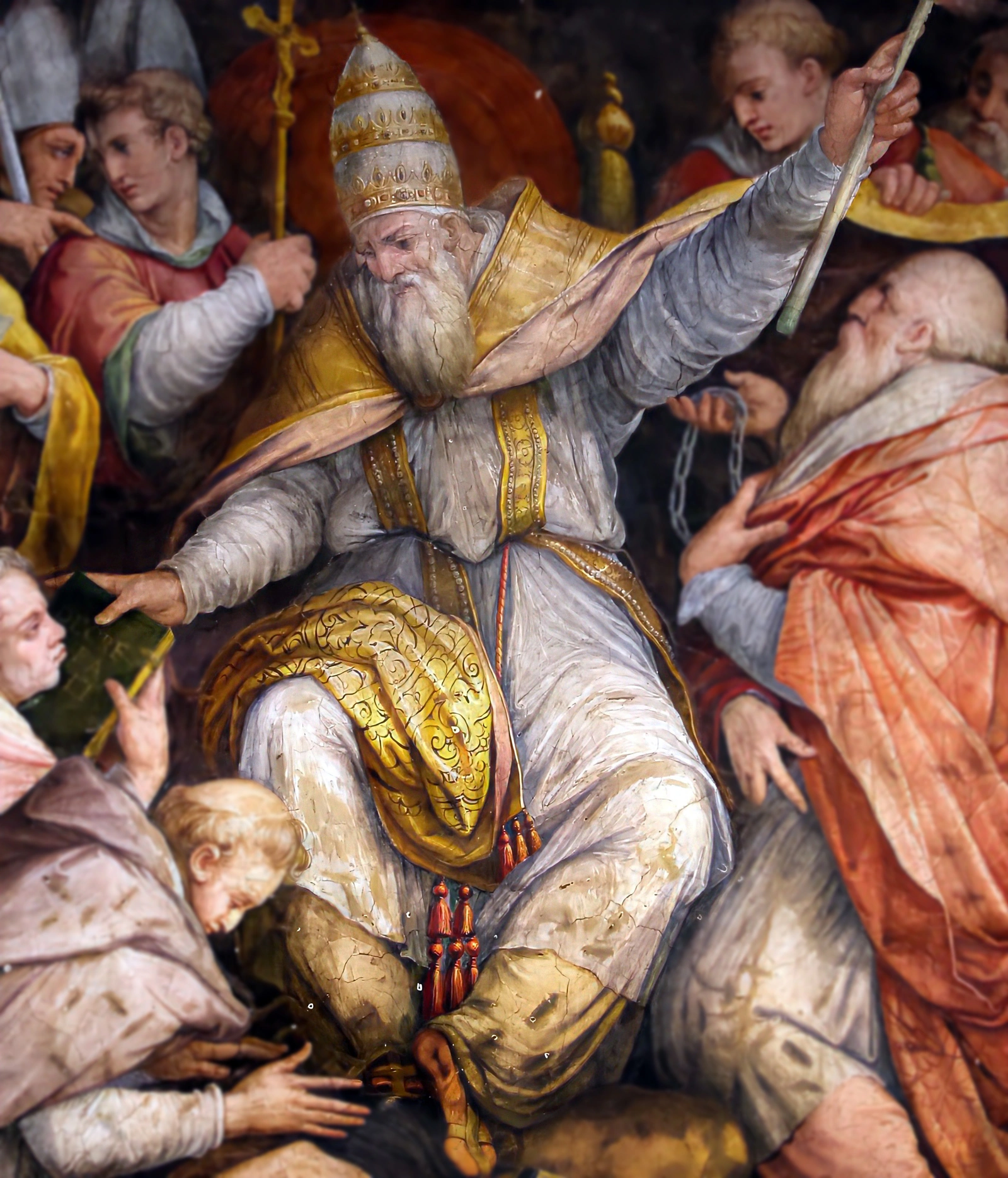
| 5 Quotes | |
| Born as | Ugolino di Conti |
| Occup. | Pope |
| From | Italy |
| Born | March 22, 1145 Anagni, Papal States |
| Died | August 22, 1241 Rome, Papal States |
| Aged | 96 years |
| Cite | |
Citation Formats
APA Style (7th ed.)
Pope gregory ix biography, facts and quotes. (2026, February 11). FixQuotes. https://fixquotes.com/authors/pope-gregory-ix/
Chicago Style
"Pope Gregory IX biography, facts and quotes." FixQuotes. February 11, 2026. https://fixquotes.com/authors/pope-gregory-ix/.
MLA Style (9th ed.)
"Pope Gregory IX biography, facts and quotes." FixQuotes, 11 Feb. 2026, https://fixquotes.com/authors/pope-gregory-ix/. Accessed 25 Mar. 2026.
Early Life and Background
Ugolino di Conti was born on 1145-03-22 into the Conti of Segni, a central Italian aristocratic clan whose fortunes were entwined with papal politics and the contested borderland between Rome and the Kingdom of Sicily. Raised in the orbit of the papal court, he matured during the long struggle in which reforming popes tried to secure ecclesiastical liberty against emperors, Roman baronial factions, and the magnetic power of Norman-Sicilian monarchy to the south. The world that formed him was one of oaths and canon law, pilgrim routes and crusade preaching, and an increasingly literate Church intent on governing souls with sharper administrative tools.His early adulthood coincided with the Third Crusade era and the consolidation of papal monarchy after Alexander III. Italian communes were learning to bargain with bishops; new religious energies were stirring among the laity; and dissenting movements - some evangelical, some anti-clerical - were spreading along trade corridors. Ugolino absorbed the lesson that holiness and order were not opposites: the Church would need both spiritual authority and juridical discipline to meet a century of rapid social change.
Education and Formative Influences
Though details of his schooling are imperfectly documented, Ugolino belonged to the generation of churchmen shaped by the rise of professional canonists and the culture of the schools; he moved comfortably in the legal-administrative idiom that defined the Curia after Gratian. His patronage networks and early curial service placed him near the reformist papal tradition that prized regular procedure, carefully worded decretals, and the idea that the pope could steer Christendom through law as much as through charisma.Career, Major Works, and Turning Points
Created cardinal-deacon of Sant Eustachio in 1198 by Innocent III, Ugolino became a key papal operator - legate, negotiator, and organizer - in an age of crusades, imperial elections, and the fragile balance between Rome and Sicily. He cultivated and protected the new mendicant movements, supporting Francis of Assisi and Dominic and helping anchor their charismatic poverty within papal obedience, then later approving the Poor Clares. Elected pope in 1227 as Gregory IX, he inherited the volatile relationship with Emperor Frederick II: he excommunicated Frederick for delaying crusade plans, later clashed again as imperial power pressed into papal Italy, and watched the conflict harden into a contest over whether the pope could judge emperors. Gregory also systematized papal law by commissioning the Decretales Gregorii IX (1234), a monumental codification prepared by Raymond of Penyafort that became a cornerstone of the ius commune and a template for future papal governance. In 1231 he issued the bull Excommunicamus, sharpening procedures against heresy and helping institutionalize inquisitorial methods under papal oversight, a turning point that fused pastoral concern with coercive apparatus.Philosophy, Style, and Themes
Gregory IXs inner life seems marked by the paradox of a man who loved radical sanctity yet feared doctrinal drift. His sponsorship of the friars was not romantic escapism; it was strategic and devotional, a wager that humility, preaching, and mobility could re-evangelize cities without surrendering institutional unity. He admired the barefoot witness of the mendicants, but he insisted that their fire be contained within obedience, as if charisma without rule would become another fracture line in a fractured century.His governing voice was juridical, urgent, and absolutist in its horizon: salvation, not mere order, was the stake. He could counsel spiritual methods even while building mechanisms of punishment, holding in tension the conviction that persuasion should come first and the belief that the common good sometimes required force. “Heretics are to be converted by an example of humility and other virtues far more readily than by any external display or verbal battles”. Yet the same psychology - a shepherds fear of contagion - underwrote his readiness to escalate: “The spread of heresy is a plague that must be stopped at all costs. No effort must be spared in the pursuit of this goal”. Beneath both lies a distrust of private interpretation in a world where literacy and debate were widening beyond clerical control; to Gregory, humility meant submission of intellect to received faith and to the Churchs legal voice. “It is a dangerous thing to presume upon one's own understanding, especially in matters of faith”.
Legacy and Influence
Gregory IX left a papacy more bureaucratically competent, more legally articulated, and more willing to mobilize new religious movements for orthodox renewal - while also bequeathing a harder edge in the policing of belief. His decretals shaped Western legal culture for centuries, training judges and bishops to think in papal categories of jurisdiction, procedure, and appeal. His conflicts with Frederick II hardened the medieval drama of sacerdotium versus imperium, influencing later confrontations between popes and monarchs. And his dual legacy - the embrace of mendicant holiness alongside the institutionalization of inquisitorial repression - remains a defining lens through which his pontificate is judged: a man of intense pastoral imagination who sought unity with the tools of law, and who believed that the health of Christendom justified the severest remedies.Our collection contains 5 quotes written by Pope, under the main topics: Ethics & Morality - Faith - Humility.
Source / external links