
Princess Diana Biography Quotes 36 Report mistakes
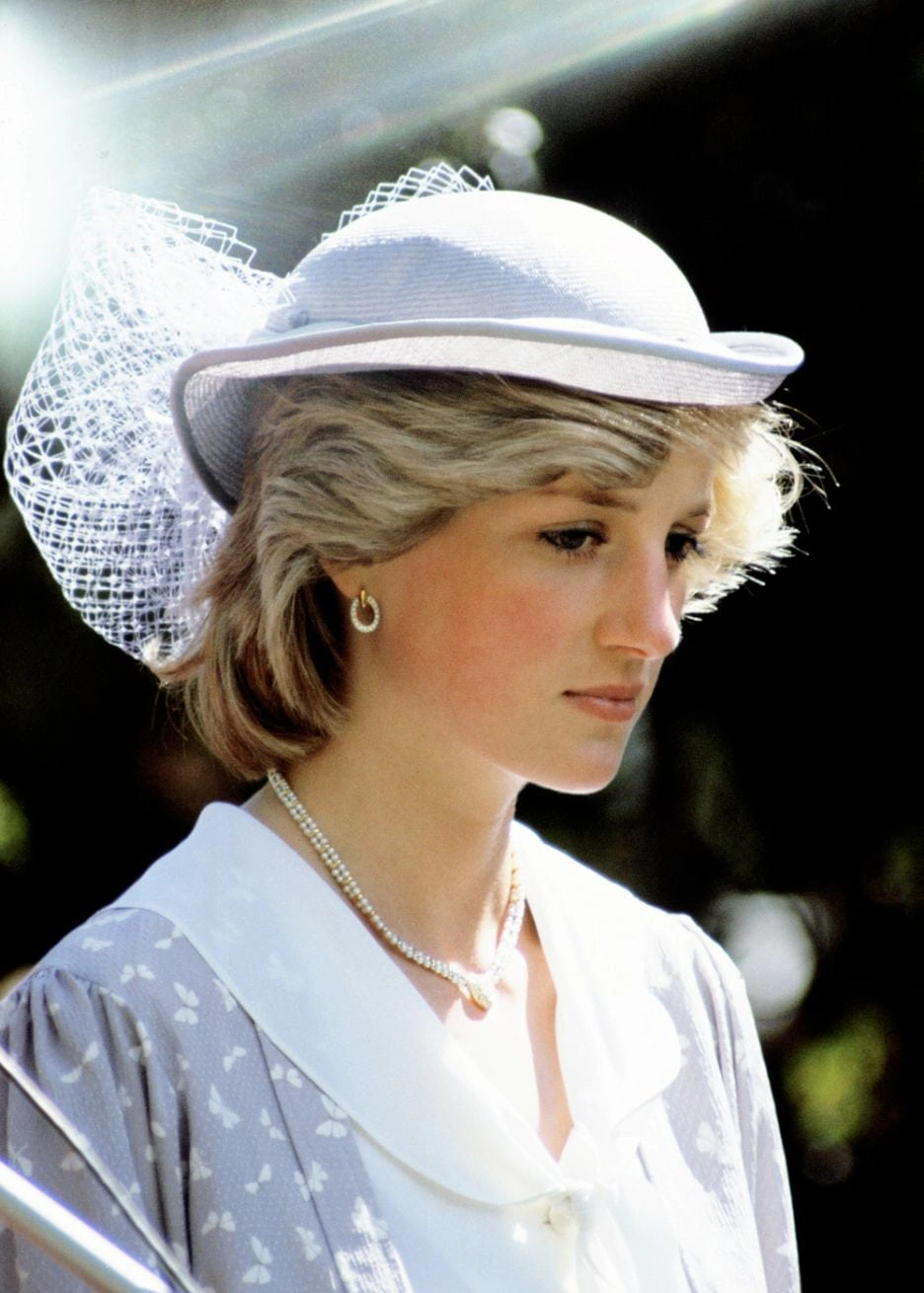
| 36 Quotes | |
| Born as | Diana Frances Spencer |
| Known as | Princess of Wales |
| Occup. | Royalty |
| From | United Kingdom |
| Born | July 1, 1961 Sandringham, Norfolk, England |
| Died | August 31, 1997 Paris, France |
| Cause | Fatal injuries sustained in a car crash |
| Aged | 36 years |
| Cite | |
Citation Formats
APA Style (7th ed.)
Princess diana biography, facts and quotes. (2026, February 11). FixQuotes. https://fixquotes.com/authors/princess-diana/
Chicago Style
"Princess Diana biography, facts and quotes." FixQuotes. February 11, 2026. https://fixquotes.com/authors/princess-diana/.
MLA Style (9th ed.)
"Princess Diana biography, facts and quotes." FixQuotes, 11 Feb. 2026, https://fixquotes.com/authors/princess-diana/. Accessed 6 Mar. 2026.
Early Life and Background
Diana Frances Spencer was born on July 1, 1961, at Park House on the Sandringham estate in Norfolk, into one of Britain's oldest aristocratic families. Her father, John Spencer (later 8th Earl Spencer), and her mother, Frances Shand Kydd, moved in a world where duty and image were daily disciplines. From the start, her life sat near the monarchy's gravitational pull - the Spencers were longstanding courtiers - but she was not raised as a public figure, only as a girl expected to be presentable, accommodating, and socially fluent.Her childhood was marked by instability that left a private imprint beneath the polished surface. Her parents' unhappy marriage and divorce (1969), followed by divided households and the arrival of a stepmother, forced early adaptations: attention to others' moods, a need to soothe conflict, and an instinct to seek affection outside formal structures. Those who knew her as a teenager often described both shyness and an intense sensitivity - qualities that later translated into an unusually visible emotional life for a royal, and a fierce desire to be loved not as a symbol but as a person.
Education and Formative Influences
Diana was educated at Riddlesworth Hall and later West Heath School in Kent, where she was not an academic standout but found esteem in sports, music, and caretaking roles; she was remembered for kindness more than achievement. A finishing period in Switzerland at Institut Alpin Videmanette was brief, after which she returned to London, sharing a flat and working ordinary jobs - including as a nursery assistant and as a kindergarten aide at the Young England School in Pimlico. The contrast between her titled background and her modest work life helped form a lifelong preference for direct, unvarnished contact over protocol.Career, Major Works, and Turning Points
Her courtship with Charles, Prince of Wales culminated in a globally televised wedding at St Paul's Cathedral on July 29, 1981, turning a 20-year-old into the Princess of Wales and a focal point for late-20th-century media. Motherhood - Prince William (1982) and Prince Harry (1984) - became both refuge and arena: she pushed for a more emotionally present style of royal parenting while navigating a marriage strained by incompatibility and infidelity. By the early 1990s, the conflict became public through biographies and broadcasts, including her 1995 BBC Panorama interview, in which she described bulimia, loneliness, and the pressures of monarchy. After separation (1992) and divorce (1996), she recalibrated her public work with unusual autonomy, intensifying campaigns on HIV/AIDS stigma, homelessness, and landmines - culminating in high-profile visits to Angola (1997) and Bosnia that helped galvanize opinion before the Ottawa Treaty was signed later that year. She died in Paris on August 31, 1997, after a car crash in the Pont de l'Alma tunnel, an event that triggered global mourning and a crisis in the royal family's relationship with public feeling.Philosophy, Style, and Themes
Diana's guiding idea was proximity - emotional and physical - to people who were usually kept at a distance by class, illness, or shame. Her most radical acts were often simple gestures performed in full view of cameras, not as spectacle but as a rebuttal to fear. When she insisted, “HIV does not make people dangerous to know, so you can shake their hands and give them a hug: Heaven knows they need it”. , she was not only correcting misinformation; she was declaring that touch and dignity were forms of policy. That insistence came from temperament as much as conviction: she read rooms quickly, sensed exclusion, and answered it with warmth that cut through ceremony.Psychologically, her work also looks like a search for secure attachment conducted on a world stage. Diana repeatedly framed love as both need and resource, speaking in intensely personal terms about what she could offer strangers: "I think the biggest disease the world suffers from in this day and age is the disease of people feeling unloved. I know that I can give love for a minute, for half an hour, for a day, for
Our collection contains 36 quotes written by Princess, under the main topics: Witty One-Liners - Love - Leadership - Freedom - Life.
Other people related to Princess: Martin Bashir (Journalist), Peggy Noonan (Writer), Elton John (Musician), King George V (Royalty), Barbara Cartland (Novelist), Matt Drudge (Journalist), Tina Brown (Editor), Elizabeth II (Royalty), Anthony Holden (Journalist), Kate Middleton (Celebrity)
Source / external links