
Publilius Syrus Biography Quotes 61 Report mistakes
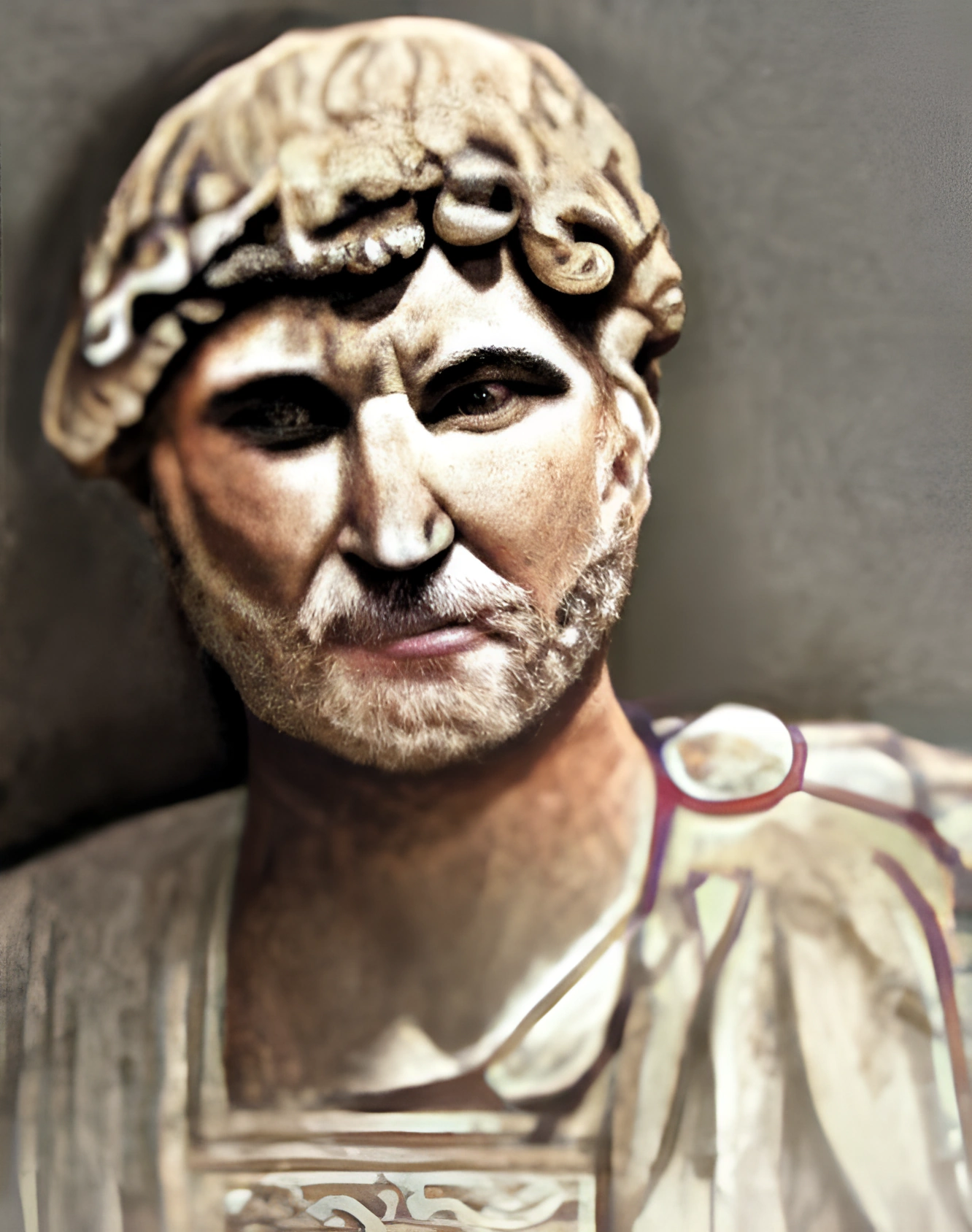
| 61 Quotes | |
| Occup. | Poet |
| From | Syria |
| Born | 85 BC Syria |
| Died | 20 AC |
| Cite | |
Citation Formats
APA Style (7th ed.)
Publilius syrus biography, facts and quotes. (2026, February 11). FixQuotes. https://fixquotes.com/authors/publilius-syrus/
Chicago Style
"Publilius Syrus biography, facts and quotes." FixQuotes. February 11, 2026. https://fixquotes.com/authors/publilius-syrus/.
MLA Style (9th ed.)
"Publilius Syrus biography, facts and quotes." FixQuotes, 11 Feb. 2026, https://fixquotes.com/authors/publilius-syrus/. Accessed 11 Feb. 2026.
Early Life and Background
Publilius Syrus was born around 85 BCE in Syria, likely in the Roman province created from the former Seleucid realm, a landscape of market towns, caravan routes, and bilingual streets where Greek culture met Roman power. Ancient sources are sparse about his family, but his later name marks him as an outsider in Rome: "Syrus" signaled origin, and "Publilius" points to the Roman household into which he was absorbed. He arrived in Italy as a slave, part of the human traffic that followed Roman conquest and commerce, and his earliest education would have been the brutal pedagogy of dependency - learning quickly what pleased masters, what angered them, and how reputations were made and ruined by a single public moment.He was eventually freed, becoming a libertus in a society that both relied on freedmen and distrusted them. That tension shaped his inner life: he knew the hunger for dignity and the fragility of status, and he watched Romans perform honor as theater while guarding real power through patronage and birth. The city he entered was transitioning from republic to autocracy, with civil wars, proscriptions, and sudden reversals of fortune. In such a Rome, moral insight could be safer when compressed into wit, and Syrus learned to speak sharply without exposing himself.
Education and Formative Influences
Syrus was trained in the performative intelligence prized by late Republican culture - quick Latin, rhetorical timing, and the ability to improvise before a crowd. He drew on Greek comic traditions, Roman mime, and the streetwise aphoristic habit of the forum, where judgments were traded like coins. The theater circuit, patronized by elites yet fueled by popular appetite, rewarded memorable lines more than polished epics. For a freedman, stage success was one of the few routes to influence, and it demanded psychological accuracy: to win, he had to read audiences, not merely write for them.Career, Major Works, and Turning Points
By the mid-40s BCE Syrus was a celebrated writer and performer of mimes, a genre built from everyday plots, stock types, and sudden reversals, and he became famous for improvisational contests. A key turning point came in 45 BCE when Julius Caesar staged games and competitions after the civil war; tradition reports that Syrus triumphed over rivals, including Decimus Laberius, a Roman eques forced to perform. Syrus himself did not leave securely transmitted full scripts, but later antiquity preserved hundreds of his sententiae - short moral lines excerpted from mime dialogues and circulating like portable ethics. These maxims, gathered in what is now called the Sententiae, are the durable core of his oeuvre, shaped by the stage yet designed to survive beyond it.Philosophy, Style, and Themes
Syrus wrote for a world where character was tested under pressure and where social masks could slip in an instant. His style is compact, muscular, and adversarial: a line is a verdict, a warning, a trapdoor. Beneath the cleverness sits a freedman's realism about hierarchy and the cost of ambition, a realism that neither flatters the powerful nor romanticizes the oppressed. His ethics are practical rather than metaphysical - a handbook for navigating friendship, reputation, and self-control when institutions are unreliable and violence can be legal.Psychologically, his maxims suggest a mind trained by exposure to danger and humiliation, then sharpened by the competitive cruelty of Roman entertainment. He distrusts impulsive speech because he knows how a phrase can be used as evidence, gossip, or pretext: "I often regret that I have spoken; never that I have been silent". He also treats moral learning as an economy - borrow experience whenever possible, because paying in pain is too expensive: "A wise man learns by the mistakes of others, a fool by his own". And he reads loyalty through crisis rather than ceremony, as if he had watched patrons vanish and allies switch sides in the civil wars: "Prosperity makes friends, adversity tries them". Across these lines runs a consistent theme: integrity and survival depend less on lofty ideals than on disciplined perception, restraint, and the ability to endure reversals without surrendering one's judgment.
Legacy and Influence
Publilius Syrus died around 20 CE, but his afterlife grew in proportion to Rome's appetite for quotable wisdom. Schoolrooms, rhetoricians, and moralists mined his sententiae for examples of concise Latin and usable ethics; medieval and Renaissance readers copied and recombined them as if they were a classical mirror for governance and private conduct. Though his mimes largely vanished, his voice remained - a playwright of the streets turned into a moral authority, demonstrating how art made for immediate laughter can become long-term counsel. His influence persists wherever Latin aphorism is valued: not as a system-builder, but as a diagnostician of motive, a writer who distilled the psychological pressures of a collapsing republic and early empire into lines that still feel like lived experience.Our collection contains 61 quotes written by Publilius, under the main topics: Motivational - Ethics & Morality - Wisdom - Truth - Justice.
Source / external links