
Quentin Crisp Biography Quotes 37 Report mistakes
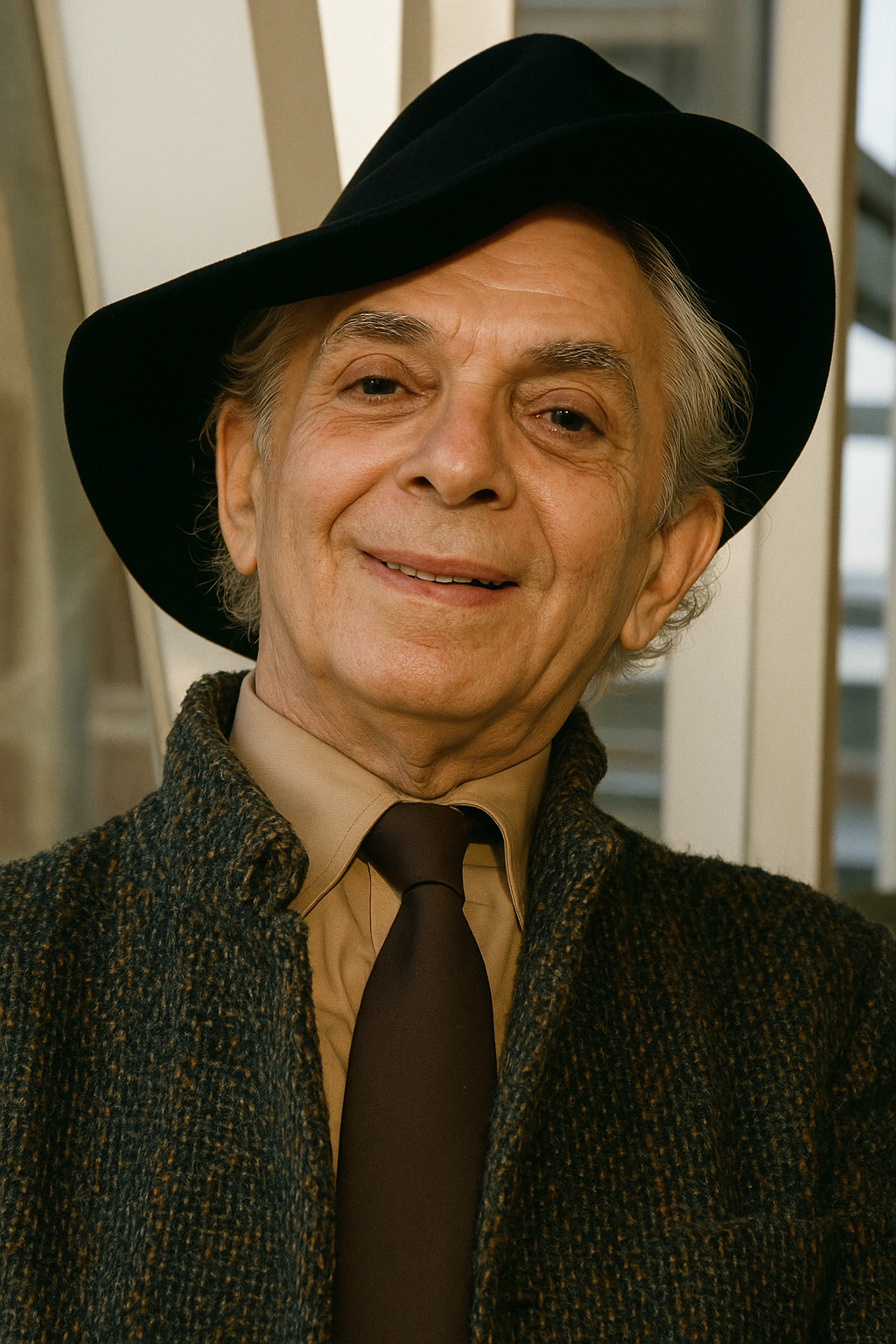
| 37 Quotes | |
| Born as | Denis Charles Pratt |
| Occup. | Writer |
| From | England |
| Born | December 25, 1908 Sutton, England |
| Died | November 21, 1999 Manchester, England |
| Cause | heart attack |
| Aged | 90 years |
| Cite | |
Citation Formats
APA Style (7th ed.)
Quentin crisp biography, facts and quotes. (2026, February 11). FixQuotes. https://fixquotes.com/authors/quentin-crisp/
Chicago Style
"Quentin Crisp biography, facts and quotes." FixQuotes. February 11, 2026. https://fixquotes.com/authors/quentin-crisp/.
MLA Style (9th ed.)
"Quentin Crisp biography, facts and quotes." FixQuotes, 11 Feb. 2026, https://fixquotes.com/authors/quentin-crisp/. Accessed 6 Mar. 2026.
Early Life and Background
Denis Charles Pratt was born on December 25, 1908, in Sutton, Surrey, into an England still organized by class deference and rigid gender expectations. He was the fourth of four children in a respectable suburban household, and he later described childhood as a training ground in self-censorship - a place where sensitivity and oddity were corrected rather than understood. From early on he felt himself marked out, not by a single dramatic event but by an accumulating sense of difference: his voice, his manner, his preference for aesthetic surfaces over masculine codes.In the interwar years he moved through London with the air of a man both exposed and defiant. He adopted the name Quentin Crisp and, by the 1930s, began cultivating a flamboyant style that made discretion impossible. In a city where homosexuality was criminalized and street violence was an ordinary enforcement mechanism, Crisp endured harassment and beatings, learning the psychology of being watched. Those experiences did not make him retreat; they sharpened his wit and his talent for turning social danger into a kind of performance that preserved his inner autonomy.
Education and Formative Influences
Crisp attended Denstone College in Staffordshire, where the disciplinary culture confirmed his suspicion that "normality" was a coercive ideal, then studied briefly at King's College London. Formal education did not provide him a profession so much as a vocabulary for self-invention: art, theater, and the cultivated pose offered alternatives to the ordinary scripts of English masculinity. London between the wars - with its music halls, cheap rooms, and furtive queer networks - became his real school, teaching him how reputation works and how to survive when the law, the police, and public opinion align against you.Career, Major Works, and Turning Points
For years Crisp lived precariously, working intermittently as an artist's model and in other small jobs while developing a public persona that functioned as both shield and signature. His decisive breakthrough came with his memoir The Naked Civil Servant (1968), which recast decades of marginality into lucid, comic prose and made his name synonymous with a certain kind of English queerness: outspoken, self-mythologizing, and oddly formal. The 1975 television adaptation, with John Hurt as Crisp, turned him into a cultural figure, and he parlayed the attention into stage performances and lecturing. In 1981 he moved to New York City, where the American appetite for candid autobiographical celebrity suited him; there he wrote and performed through the AIDS era as an elder witness to both oppression and community formation. He died on November 21, 1999, in Manchester, while on tour, having made a career from narrating his own life as an argument.Philosophy, Style, and Themes
Crisp's writing and persona were built on the premise that identity is crafted under pressure. He treated the self not as a secret to be discovered but as a role to be inhabited until it becomes true, a view captured in his sardonic maxim, “Fashion is what you adopt when you don't know who you are”. Behind the joke is a strategy: if the world insists on reading you, you may as well provide the script. His aphoristic style - elegant sentences, comic timing, and a willingness to say the impolite part aloud - was a means of control, converting vulnerability into authorship.Yet he was never merely a comedian; he was a moral psychologist of stigma. “The very purpose of existence is to reconcile the glowing opinion we hold of ourselves with the appalling things that other people think about us”. That tension - between inner radiance and outer contempt - runs through The Naked Civil Servant and his later essays, where he insists that survival requires an almost aesthetic detachment. Even his bleakest summary of life, “You fall out of your mother's womb, you crawl across open country under fire, and drop into your grave”. , reads less as despair than as bracing clarity: if life is a battlefield, then style, language, and candor are not luxuries but equipment.
Legacy and Influence
Quentin Crisp endures as a bridge figure between clandestine pre-liberation queer life in Britain and the era of public, narrated identity. His fame did not come from fitting into respectability but from making nonconformity legible and, crucially, speakable, influencing memoirists, performers, and commentators who treat the self as both material and message. In Britain he remains a prickly emblem of courage without sanctimony; in America he became a patron saint of outsider charisma. Across both, his lasting contribution is the example of a life turned into literature - not to confess for absolution, but to claim authorship over how a human being is seen.Our collection contains 37 quotes written by Quentin, under the main topics: Witty One-Liners - Ethics & Morality - Wisdom - Love - Mortality.
Other people related to Quentin: John Hurt (Actor)
Frequently Asked Questions
- Quentin Crisp movie: The Naked Civil Servant (1975).
- Quentin Crisp partner: No known long-term partner.
- Quentin Crisp died: 21 November 1999, Manchester, England.
- Quentin Crisp real name: Denis Charles Pratt.
- Quentin Crisp actor: John Hurt portrayed him.
- Quentin Crisp cause of death: Heart attack (myocardial infarction).
- How old was Quentin Crisp? He became 90 years old
Quentin Crisp Famous Works
- 1968 The Naked Civil Servant (Autobiography)
Source / external links