
R. L. Stine Biography Quotes 7 Report mistakes
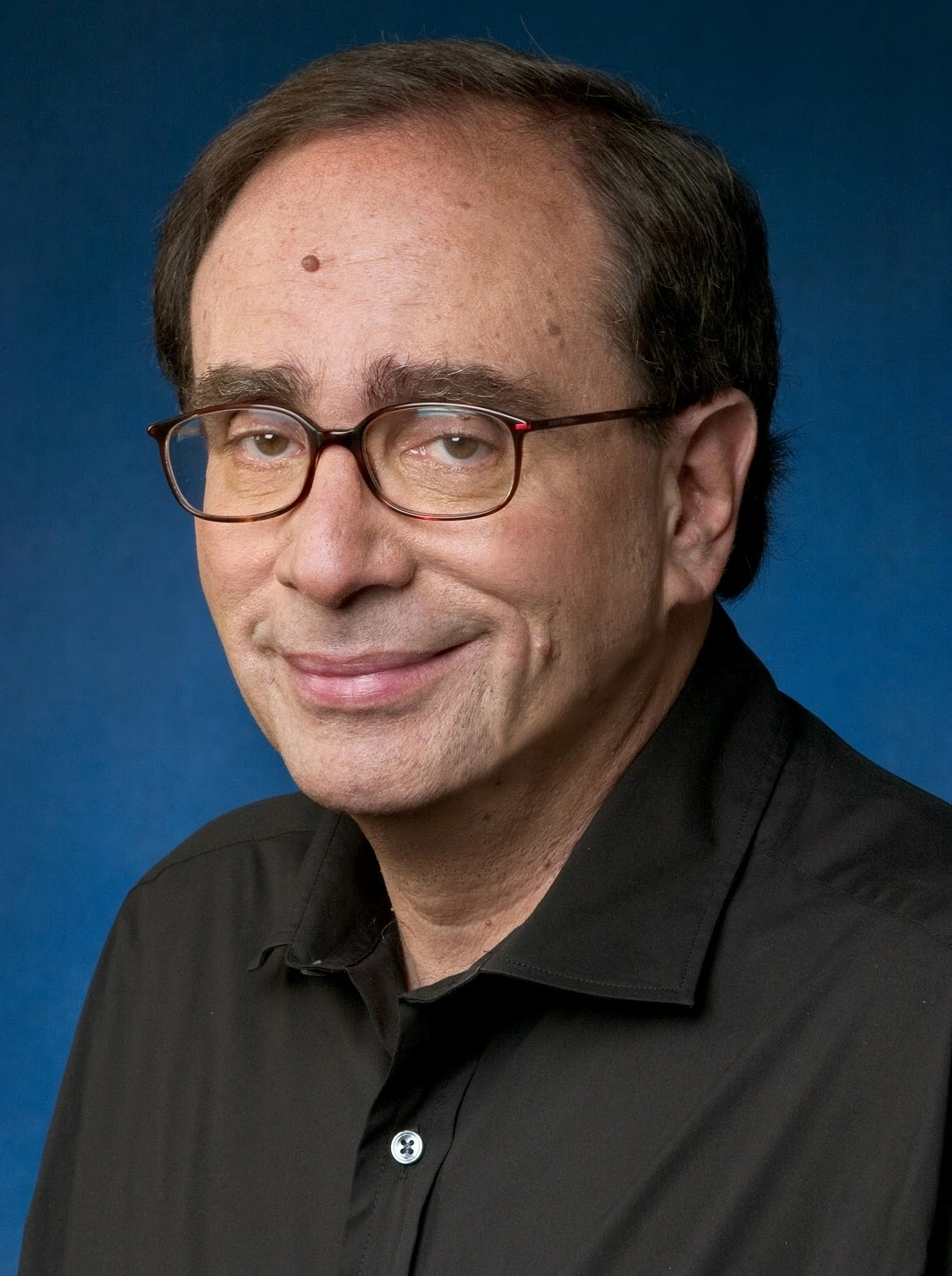
| 7 Quotes | |
| Born as | Robert Lawrence Stine |
| Known as | Jovial Bob Stine |
| Occup. | Writer |
| From | USA |
| Born | October 8, 1943 Columbus, Ohio, United States |
| Age | 82 years |
| Cite | |
Citation Formats
APA Style (7th ed.)
R. l. stine biography, facts and quotes. (2026, February 11). FixQuotes. https://fixquotes.com/authors/r-l-stine/
Chicago Style
"R. L. Stine biography, facts and quotes." FixQuotes. February 11, 2026. https://fixquotes.com/authors/r-l-stine/.
MLA Style (9th ed.)
"R. L. Stine biography, facts and quotes." FixQuotes, 11 Feb. 2026, https://fixquotes.com/authors/r-l-stine/. Accessed 25 Mar. 2026.
Early Life and Background
Robert Lawrence Stine was born on October 8, 1943, in Columbus, Ohio, into a Jewish, middle-class Midwestern household shaped by wartime frugality and postwar optimism. The city around him was practical and industrial, but his inner weather ran toward the comic, the uncanny, and the compulsively imaginative. Stine later described himself as a mischievous performer in miniature, a kid who learned early that attention could be earned by timing and surprise rather than force.A decisive childhood moment arrived in a closet. At nine, he found a typewriter and began pounding out jokes and stories, discovering that the page could be a private stage where fear and laughter were both controllable effects. That blend of secrecy and showmanship became a lifelong engine: the solitary thrill of inventing horrors, then the social pleasure of delivering them to an audience, especially an audience young enough to believe - and resilient enough to bounce back.
Education and Formative Influences
Stine studied at Ohio State University, where he wrote humor columns for the campus paper and absorbed the rhythms of American gag writing, from the setup-punch cadence of classic comics to the breezy voice of youth magazines. The 1960s also offered him a laboratory of mass media: television, advertising, and magazine culture sharpened his sense that a writer could be both craftsman and entertainer. Even before the horror brand, he was learning how to build a reliable weekly relationship with readers by keeping prose fast, clean, and oriented toward the next laugh or jolt.Career, Major Works, and Turning Points
After moving into professional publishing, Stine became best known first as "Jovial Bob Stine", writing and editing humor for children and launching the Bananas humor magazine in the 1970s, a training ground in deadlines and kid-centered voice. The major turn came with the 1989 debut of Fear Street, which translated teen anxieties into swift, twist-driven thrillers and proved he could serialize suspense. In 1992 he detonated a cultural phenomenon with Goosebumps, packaging horror as a safe carnival ride - short chapters, cliffhangers, and a mischievous wink - and he followed it with spin-offs like Goosebumps Series 2000 and Give Yourself Goosebumps. By the mid-1990s he was one of the best-selling authors in the world, and his work expanded into TV adaptations and later returns to teen horror with series like The Nightmare Room, while his adult life - including marriage to Jane Waldhorn, a publisher and editor - kept him close to the mechanics of the industry that amplified his reach.Philosophy, Style, and Themes
Stine's core artistic instinct is pragmatic: terror is a tool, not a torment. He treats fear the way a comedian treats embarrassment - as energy to be shaped into pleasure. “I feel happy to terrify kids”. That line is less sadistic than it sounds; it reveals an author who believes children want strong emotions in controlled doses, and who trusts them to separate story-fright from real danger. His scares rarely linger in grief; they snap, twist, and release, keeping dread kinetic rather than oppressive.The method behind that velocity is meticulous. Stine writes with the discipline of someone who fears not ideas but downtime. “I have a cheat-sheet for each one of my characters about their personality, the way they look, etc. So there is no possible way that I could have writer's block”. Psychologically, this is control as comfort: the monsters may be chaotic, but the process is not. In prose he favors plain diction, hard chapter breaks, and the bait-and-switch twist - a style designed for the reluctant reader and the thrill-seeker alike. The themes echo adolescent vulnerability: ordinary spaces (schools, basements, summer camps) become trapdoors; adults misread danger; curiosity invites consequences; identity is unstable, as bodies and friends turn strange without warning.
Legacy and Influence
Stine helped redefine late-20th-century children's publishing by proving that page-turning horror could be a gateway to literacy at mass scale, pulling millions into habitual reading with accessible language and relentless momentum. Goosebumps became a shared pop-culture vocabulary - masks, ventriloquist dummies, haunted cameras, cursed objects - and set a template for serialized, high-concept middle-grade fiction that publishers still chase. His influence shows in the pacing of contemporary kid suspense, in the normalization of spooky-comic tone, and in the careers of writers who learned from him that craft is not opposed to fun: a well-built scare, delivered with a grin, can make a lifelong reader.Our collection contains 7 quotes written by L. Stine, under the main topics: Funny - Dark Humor - Sarcastic - Writing - Nostalgia.
R. L. Stine Famous Works
- 2005 Rotten School (Book Series)
- 2004 Mostly Ghostly (Book Series)
- 2000 The Nightmare Room (Book Series)
- 1995 Give Yourself Goosebumps (Book Series)
- 1992 Goosebumps (Book Series)
- 1989 Fear Street (Book Series)
Source / external links