
Ralph Kiner Biography Quotes 6 Report mistakes
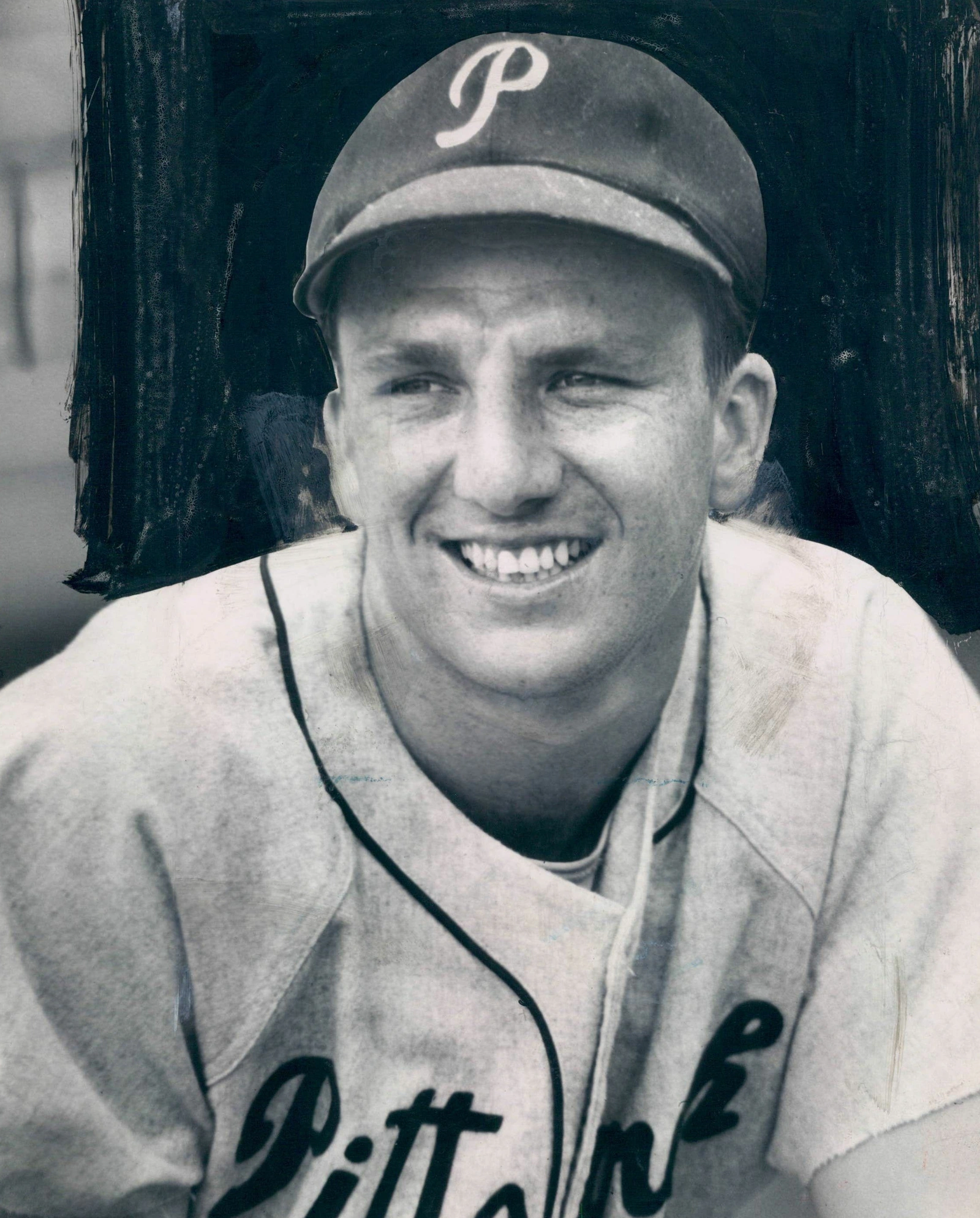
| 6 Quotes | |
| Born as | Ralph McPherran Kiner |
| Occup. | Athlete |
| From | USA |
| Born | October 27, 1922 Santa Rita, New Mexico |
| Age | 103 years |
| Cite | |
Citation Formats
APA Style (7th ed.)
Ralph kiner biography, facts and quotes. (2026, February 18). FixQuotes. https://fixquotes.com/authors/ralph-kiner/
Chicago Style
"Ralph Kiner biography, facts and quotes." FixQuotes. February 18, 2026. https://fixquotes.com/authors/ralph-kiner/.
MLA Style (9th ed.)
"Ralph Kiner biography, facts and quotes." FixQuotes, 18 Feb. 2026, https://fixquotes.com/authors/ralph-kiner/. Accessed 27 Mar. 2026.
Early Life and Background
Ralph McPherran Kiner was born on October 27, 1922, in Santa Rita, New Mexico, a company town in the oil fields where work was hard, money was uncertain, and ambitions were often practical. His father, a Civil War veteran turned oilman, died when Kiner was young, and the family relocated to California, where the Depression and wartime years pressed daily life into a disciplined routine. That early mix of loss, movement, and necessity helped form the blunt self-reliance that later made Kiner both a feared slugger and a broadcaster unafraid of plain talk.In high school at Alhambra in the Los Angeles area, Kiner played multiple sports and quickly learned what would become his defining athletic truth: power can simplify a complicated game, but it does not exempt you from the grind. Teammates remembered a strong, compact right-handed swing and a competitiveness that read less like showmanship than like a job to be done. The war era accelerated everything for his generation, and Kiner was no exception.
Education and Formative Influences
Kiner attended the University of Arizona, but World War II cut across the plans of nearly every college athlete of his age; he served in the U.S. Navy before returning to baseball with the urgency of someone who knew time could be stolen. In the minors and early major-league seasons, he absorbed the pragmatic culture of professional baseball in the 1940s: travel by train, injuries treated with minimal science, and a clubhouse ethic that prized production over promise. Those conditions sharpened his sense that careers were fragile assets, to be cashed in while the body still allowed it.Career, Major Works, and Turning Points
Kiner debuted with the Pittsburgh Pirates in 1946 and immediately became the National League's defining home-run threat, leading the league in homers for seven consecutive seasons (1946-1952) and winning the NL MVP in 1949. His peak came amid postwar baseball's boom years, when radio carried stars into every city and the game began to resemble a national entertainment industry. Yet his body paid for his violence at the plate: back injuries and a ruptured disc shortened his prime, and trades to the Chicago Cubs (1953) and Cleveland Indians (1955) preceded an early retirement in 1955. Inducted into the Baseball Hall of Fame in 1975, Kiner built a second, equally durable identity as a broadcaster - first nationally, then for decades as the plainspoken voice of the New York Mets, where his candid, sometimes delightfully off-kilter on-air style became part of the franchise's texture.Philosophy, Style, and Themes
Kiner's playing philosophy was direct, almost industrial: get the pitch you can drive, and do maximal damage. That simplicity masked a deeper psychological bargain - the knowledge that in baseball, and especially for a slugger, value is measured in outcomes more than elegance. He captured the era's transactional truth in one line: “Cadillacs are down at the end of the bat”. The sentence is funny, but it is also self-diagnostic: he understood that power bought freedom, status, and security for a kid who had watched stability vanish early.As a broadcaster, Kiner carried that same clarity into an older man's register - reflective, occasionally crusty, but fundamentally fair about the game changing around him. He resisted nostalgia as a reflex and treated it instead as a temptation to be managed, admitting, “I think one of the most difficult things for anyone who's played baseball is to accept the fact that maybe the players today are playing just as well as ever”. That statement reveals a mind negotiating identity: if the present is valid, the past must share the pedestal rather than own it. Even his famous on-air malapropisms and oddball lines were part of the same temperament - a confidence that the audience could handle imperfection, and that honesty mattered more than polish. When he quipped, “You know what they say about Chicago. If you don't like the weather, wait fifteen minutes”. , it functioned as more than local color: it was the worldview of a man who had lived through abrupt turns - injuries, trades, reinvention - and learned to keep talking, keep working, and let the weather change.
Legacy and Influence
Kiner endures as a case study in the two lives of a sports figure: a brief, incandescent athletic peak and a long, culturally embedded second act. His home-run reign with Pittsburgh helped define postwar National League power hitting, while his Mets broadcasting years modeled a style that blended authority with self-deprecation and made room for the game's evolving realities. For fans and later players alike, Kiner became proof that greatness is not only what you do at your height, but how you narrate the sport - and yourself - after the height has passed.Our collection contains 6 quotes written by Ralph, under the main topics: Witty One-Liners - Sarcastic - Sports.
Source / external links