
Ralph Marston Biography Quotes 15 Report mistakes
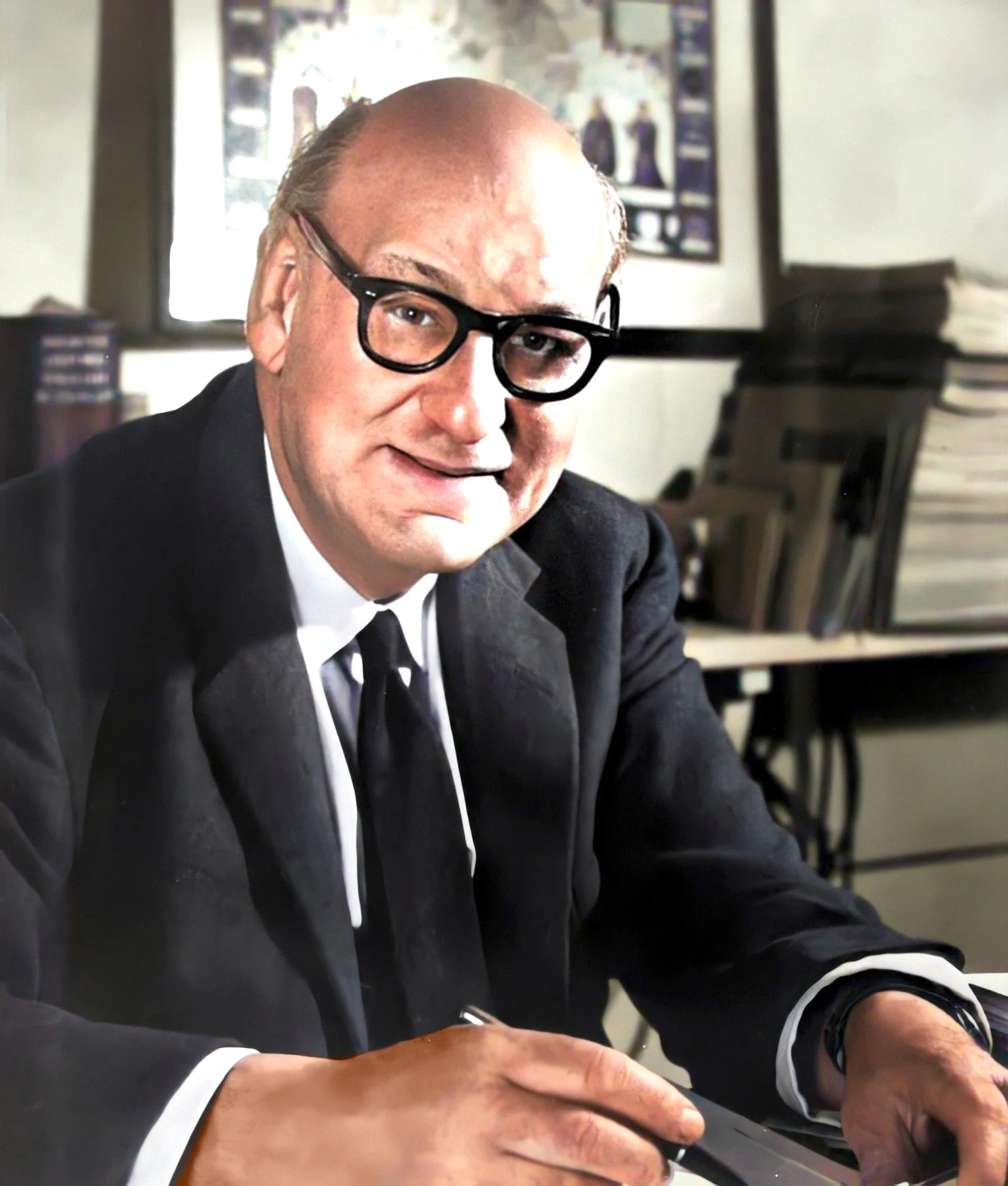
| 15 Quotes | |
| Occup. | Writer |
| From | USA |
| Born | February 12, 1907 Portland, Oregon |
| Died | December 7, 1967 |
| Aged | 60 years |
| Cite | |
Citation Formats
APA Style (7th ed.)
Ralph marston biography, facts and quotes. (2026, February 2). FixQuotes. https://fixquotes.com/authors/ralph-marston/
Chicago Style
"Ralph Marston biography, facts and quotes." FixQuotes. February 2, 2026. https://fixquotes.com/authors/ralph-marston/.
MLA Style (9th ed.)
"Ralph Marston biography, facts and quotes." FixQuotes, 2 Feb. 2026, https://fixquotes.com/authors/ralph-marston/. Accessed 25 Mar. 2026.
Early Life and Background
Ralph Marston was born on February 12, 1907, in the United States, into a generation shaped by rapid industrial change, the afterglow of the Progressive Era, and the looming disruptions of World War I. Coming of age as radio and mass-circulation print reshaped American attention, he absorbed a culture that prized efficiency, self-reliance, and upward mobility - ideals that would later harden in his work into a disciplined, almost muscular optimism.The defining pressures of his early adulthood were national rather than local: the Great Depression tested the credibility of the American promise, and the approach of World War II demanded practical courage and emotional steadiness. Marston's eventual voice - focused on endurance, gratitude, and action - reads like a private method for staying intact in public turbulence. He died on December 7, 1967, closing a life that spanned from the pre-automobile mainstream to the Space Age, when self-help language began migrating from pulp racks into modern motivational culture.
Education and Formative Influences
Verified details of Marston's formal schooling and mentors are scarce, but his intellectual lineage is legible in the American motivational tradition that ran from late-19th-century "mind cure" and New Thought through early-20th-century success literature and mid-century pragmatism. He wrote as someone trained less by credentials than by practice: the cadence suggests a writer who studied persuasion, habit, and morale the way others studied law - by observing what breaks people, what steadies them, and how language can become a tool for daily conduct.Career, Major Works, and Turning Points
Marston became known as a writer of concise, directive encouragement - a style suited to newspapers, newsletters, and the kind of daily reading that meets people where they are: at a desk, in a factory town, in a quiet evening after work. His career matured in an America increasingly organized around routines, productivity, and the psychology of performance; he responded by turning motivation into a civic skill, not a private luxury. While much about his publication record remains difficult to fix with confidence in a single canon, his turning point was thematic rather than bibliographic: he moved from generic uplift to a repeated insistence on agency, framing effort as a moral choice that could be renewed every day.Philosophy, Style, and Themes
Marston's central conviction was that character is built in small, repeatable actions, and that language should be usable, not decorative. His sentences often feel engineered for re-reading: short, imperative, and deliberately non-mystical. Underneath the optimism is a stern psychological realism - an awareness that people default to discouragement, excuse, and delayed living. When he writes, “What you do today can improve all your tomorrows”. , he is not offering a slogan so much as prescribing a time horizon: the present is the only lever, and the future is the compound interest of today's behavior.He also treated excellence as an inner posture rather than an outward trophy, insisting, “Excellence is not a skill. It is an attitude”. That line reveals his deeper psychology: he distrusted the fantasy of being "ready", and instead pushed readers toward identity-based commitment - act like the person you intend to become, and the skill will catch up. Yet his ethic was not punitive; it allowed for recovery without surrender. “Rest when you're weary. Refresh and renew yourself, your body, your mind, your spirit. Then get back to work”. Here Marston shows a humane understanding of stamina: discipline is not endless strain but a rhythm, and quitting is not the same as pausing. Across his work, gratitude, patience, and determination function less as virtues to admire than as strategies to remain functional under pressure.
Legacy and Influence
Marston's enduring influence lies in the portability of his thought: he distilled motivation into compact, quotable lines that could live on office walls, in sermons, in coaching, and eventually across the internet as shareable aphorisms. His era demanded a language that could steady ordinary people amid economic shocks, war, and accelerating modern life; his writing answered by treating agency as a daily practice and hope as a discipline. If later motivational culture sometimes slid into spectacle, Marston's best lines retained a workmanlike clarity - a reminder that self-improvement, in his view, was not a performance but a habit.Our collection contains 15 quotes written by Ralph, under the main topics: Motivational - Live in the Moment - Overcoming Obstacles - Goal Setting - Success.