
Randall Terry Biography Quotes 34 Report mistakes
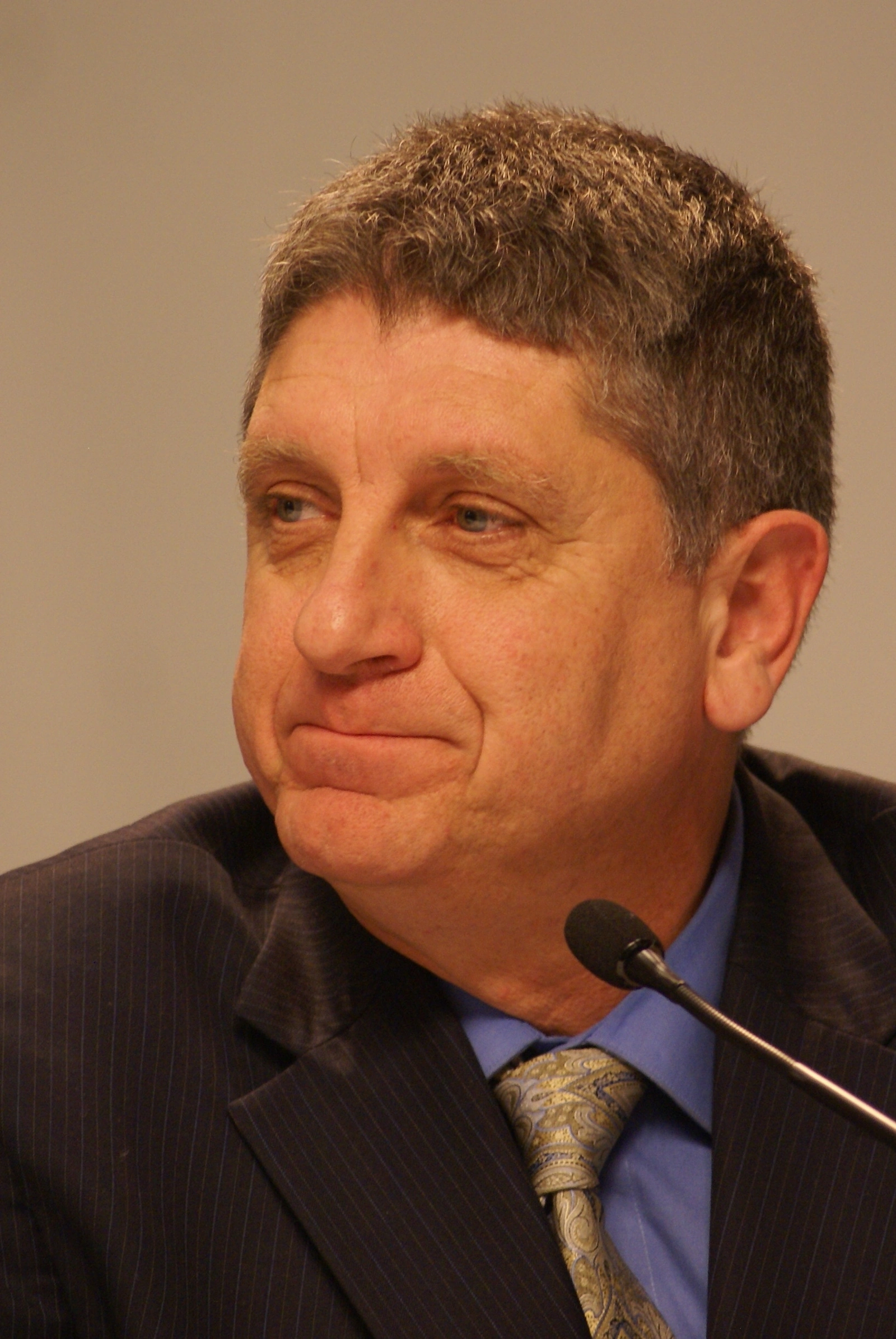
| 34 Quotes | |
| Born as | Randall Almira Terry |
| Occup. | Celebrity |
| From | USA |
| Born | 1959 New York City, New York, U.S. |
| Cite | |
Citation Formats
APA Style (7th ed.)
Randall terry biography, facts and quotes. (2026, February 11). FixQuotes. https://fixquotes.com/authors/randall-terry/
Chicago Style
"Randall Terry biography, facts and quotes." FixQuotes. February 11, 2026. https://fixquotes.com/authors/randall-terry/.
MLA Style (9th ed.)
"Randall Terry biography, facts and quotes." FixQuotes, 11 Feb. 2026, https://fixquotes.com/authors/randall-terry/. Accessed 5 Mar. 2026.
Early Life and Background
Randall Almira Terry was born in 1959 in the United States, a child of the postwar Christian middle class as it was being reshaped by the Vietnam era, Roe v. Wade (1973), and the rise of televangelism and the New Right. He emerged from the broad evangelical world that treated the family, church, and nation as a single moral ecosystem - a sensibility that would later define both his celebrity and his notoriety.From the start of his public life, Terry presented himself less as a conventional political operative than as a crusader formed by cultural disorientation: the conviction that the country had traded moral clarity for procedural neutrality. That psychological posture - righteous urgency, suspicion of compromise, and a taste for theatrical confrontation - became his signature, and it placed him in the crosshairs of both secular authorities and more cautious religious conservatives.
Education and Formative Influences
Terry was shaped more by movement culture than by elite credentialing: revivalist preaching, conservative Catholic and evangelical anti-abortion networks, and the late-20th-century turn toward issue-driven activism that blurred the lines between religious witness and political campaigning. In the 1980s, as abortion clinics became the central battleground of the pro-life movement, he absorbed a style of persuasion that prized moral absolutes, vivid imagery, and the belief that dramatic public acts could wake a numbed society.Career, Major Works, and Turning Points
Terry became nationally known as the founder of Operation Rescue (formed in the late 1980s), a direct-action anti-abortion organization whose clinic blockades helped define the era of street-level confrontation in American abortion politics. The movement drew enormous attention - and a long trail of arrests, court fights, and internal conflicts - culminating in wide scrutiny as federal and state authorities increased penalties for obstructing clinic access. Over time, Terry expanded his public identity beyond anti-abortion activism into broader culture-war campaigning, media appearances, and periodic forays into electoral politics that used provocation as a megaphone, keeping his name circulating even as the pro-life movement itself professionalized and shifted toward legislation, litigation, and electoral strategy.Philosophy, Style, and Themes
Terry speaks from a theocratic imagination in which law is not merely a social contract but a moral tutor, and the state is accountable to divine standards. His political psychology is built around control of narrative and moral framing, captured in his maxim, “He who frames the question wins the debate”. For Terry, persuasion is not an academic exercise - it is spiritual warfare conducted in public, where winning the frame is inseparable from saving lives and, in his view, saving a nation from judgment.His rhetoric also reveals a disciplined separation between emotion and action, a self-command he treats as a requirement for activists under pressure: “Behaviors are a choice. Feelings are sometimes out of our control. Behavior has to do with choices”. That ethic helps explain his willingness to absorb personal cost - public vilification, legal jeopardy, broken alliances - while maintaining a posture of moral certainty. Underneath is a consistent theme: America as a covenantal project, not a pluralist experiment, summed up in the blunt claim, “America should function as a Christian nation”. The same worldview drives his hard-line stances on sexuality and culture, which he frames as tests of whether Christians will submit to Scripture or to modern sentiment.
Legacy and Influence
Terry remains a polarizing emblem of late-20th-century American religious activism: to supporters, a man who forced complacent churches and politicians to confront abortion and cultural change; to critics, a provocateur who normalized intimidation and deepened civic fragmentation. Historically, his impact lies in how Operation Rescue helped shift protest tactics, media coverage, policing, and legal responses around clinic access, while also modeling a form of celebrity activism in which personal notoriety becomes a tool of movement communication. Even where later pro-life leaders rejected his confrontational style, they operated in a landscape his era helped create - one where moral arguments, courtroom rules, and television optics are inseparably intertwined.Our collection contains 34 quotes written by Randall, under the main topics: Ethics & Morality - Sarcastic - Reason & Logic - Equality - Faith.
Source / external links