
Raoul Dufy Biography Quotes 6 Report mistakes
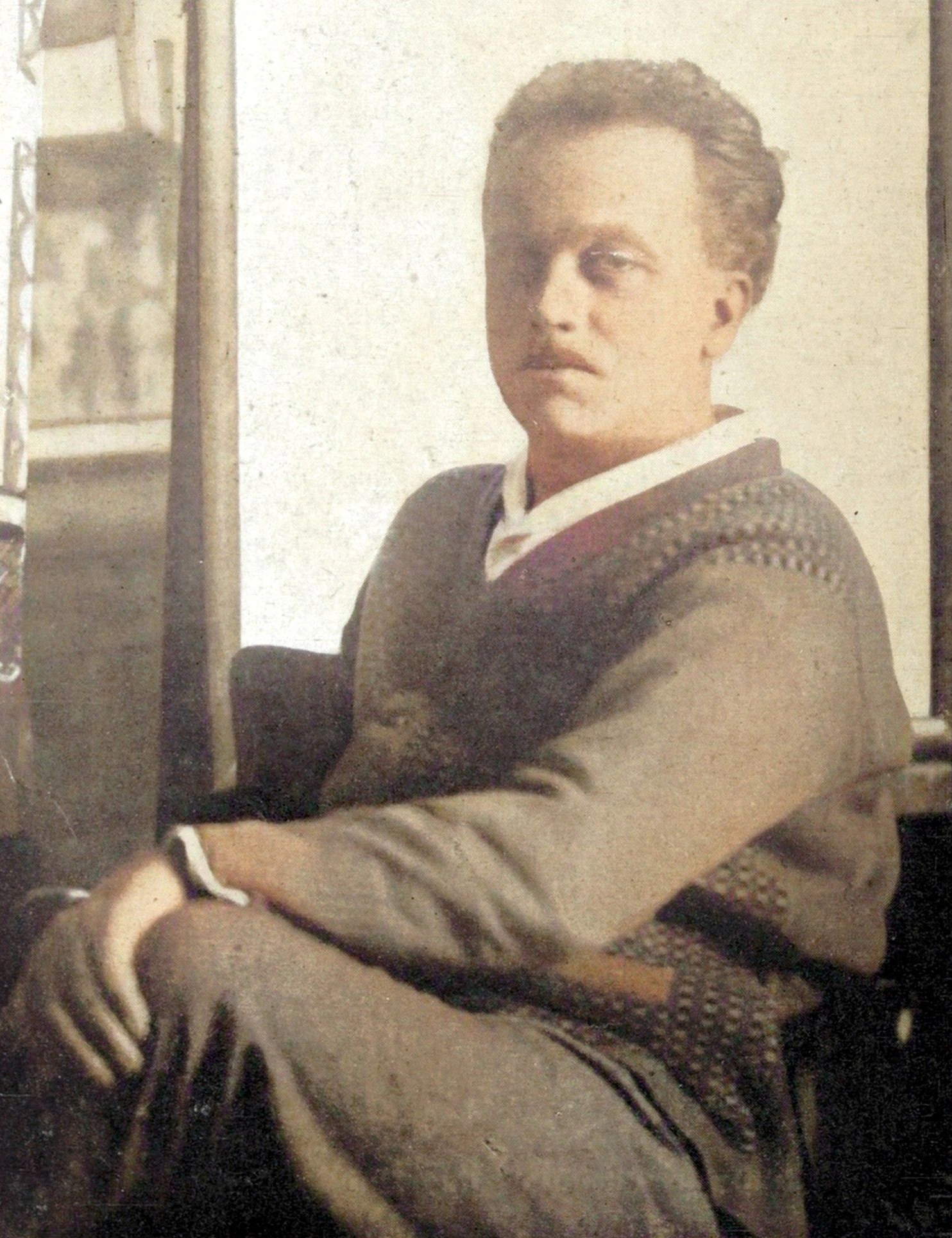
| 6 Quotes | |
| Occup. | Artist |
| From | France |
| Born | June 3, 1877 |
| Died | March 23, 1953 |
| Aged | 75 years |
| Cite | |
Citation Formats
APA Style (7th ed.)
Raoul dufy biography, facts and quotes. (2026, February 11). FixQuotes. https://fixquotes.com/authors/raoul-dufy/
Chicago Style
"Raoul Dufy biography, facts and quotes." FixQuotes. February 11, 2026. https://fixquotes.com/authors/raoul-dufy/.
MLA Style (9th ed.)
"Raoul Dufy biography, facts and quotes." FixQuotes, 11 Feb. 2026, https://fixquotes.com/authors/raoul-dufy/. Accessed 26 Mar. 2026.
Early Life and Background
Raoul Dufy was born on June 3, 1877, in Le Havre, a port city whose docks, regattas, and working waterfront offered him an early vocabulary of masts, flags, and light on water that would later become signature motifs. He grew up in a large, modest household; his father was an accountant, and music and popular entertainments were part of the family atmosphere. The Normandy coast, with its fast-changing weather and bright maritime color, formed his first and most durable sense of modern life as spectacle.As a young man he moved between the practical need to earn wages and an insistence on drawing and painting as a calling. Le Havre at the turn of the century was also the city of earlier Impressionist upheaval - Monet had painted there - and Dufy absorbed, at street level, the idea that contemporary scenery and ordinary pleasures could be serious subjects. The tension between workaday reality and the desire to transfigure it would remain central to his inner life: he sought not escape from the world but a way to make it sing.
Education and Formative Influences
Dufy studied at the Ecole des Beaux-Arts in Le Havre before moving to Paris, where he entered the atelier system at the Ecole des Beaux-Arts and encountered the competing claims of tradition and avant-garde. Early on he admired the structural clarity of Cezanne and the graphic economy of Japanese prints, but the pivotal jolt came in 1905 when he saw the Fauves - especially Matisse - and realized color could be liberated from local description to carry feeling and rhythm. That revelation did not erase his respect for observation; rather, it gave him permission to build a personal synthesis in which line could describe and color could improvise.Career, Major Works, and Turning Points
Dufy exhibited at the Salon des Independants and the Salon d'Automne, moved through a Fauvist phase of high-keyed color, then tightened his forms after exposure to Cezanne and, briefly, Cubist discipline, emerging with the light, calligraphic style that made his reputation. He became celebrated not only as a painter of beaches, orchestras, horse races, and city festivals but also as a designer: he produced woodcuts and book illustrations, and his collaborations with textile design - notably with the couturier Paul Poiret and the silk manufacturer Bianchini-Ferier - spread his visual language into modern life. A late career summit was La Fee Electricite (1937), the vast mural for the Paris Exposition Internationale, where his gift for choreographing crowds, inventions, and luminous color became an optimistic panorama of scientific modernity. Chronic rheumatoid arthritis increasingly limited his body, yet he continued to work with fierce concentration into his final years; he died in Forcalquier on March 23, 1953.Philosophy, Style, and Themes
Dufy's art is often described as carefree, but the ease was hard-won: it came from choosing what to emphasize and what to refuse. His credo points to a psychology of freedom under pressure, a need to keep rules available but never sovereign: “I don't follow any system. All the laws you can lay down are only so many props to be cast aside when the hour of creation arrives”. That is less a boast than a working method for protecting the fragile moment when sensation becomes form - especially in scenes of music, leisure, and public celebration, where he translated the noise of the world into legible rhythms.He painted, in effect, the agreement between perception and desire. “What I wish to show when I paint is the way I see things with my eyes and in my heart”. The familiar Dufy devices - buoyant contour, color laid as washes that drift beyond drawing, abbreviated architecture, and the recurring pattern of sails and instruments - are not simplifications but emotional edits. Even his apparent avoidance of the grim had an ethical intensity: “My eyes were made to erase all that is ugly”. In an era scarred by two world wars and the anxieties of modern industry, his choice to depict regattas, promenades, and orchestras was a declaration that pleasure and beauty were not frivolous, but necessary counterweights - a way to rescue lived experience from heaviness without denying its cost.
Legacy and Influence
Dufy left a model of modernism that is neither doctrinaire nor despairing: a French painter who absorbed Impressionism, Fauvism, and Cubist lessons yet kept faith with delight, speed, and the decorative as serious modes. His murals and public commissions helped normalize large-scale modern color in civic space, while his textiles and prints proved that the boundary between fine art and design could be porous without being trivial. Later artists and illustrators borrowed his airy line and musical pacing; museums and collectors continue to prize his ability to make complex scenes readable and radiant. Above all, his work endures as an argument that the modern eye can be both exacting and tender - that art can tell the truth about feeling by transforming what it sees.Our collection contains 6 quotes written by Raoul, under the main topics: Art - Nature.
Source / external links