
Rasmus Lerdorf Biography Quotes 13 Report mistakes
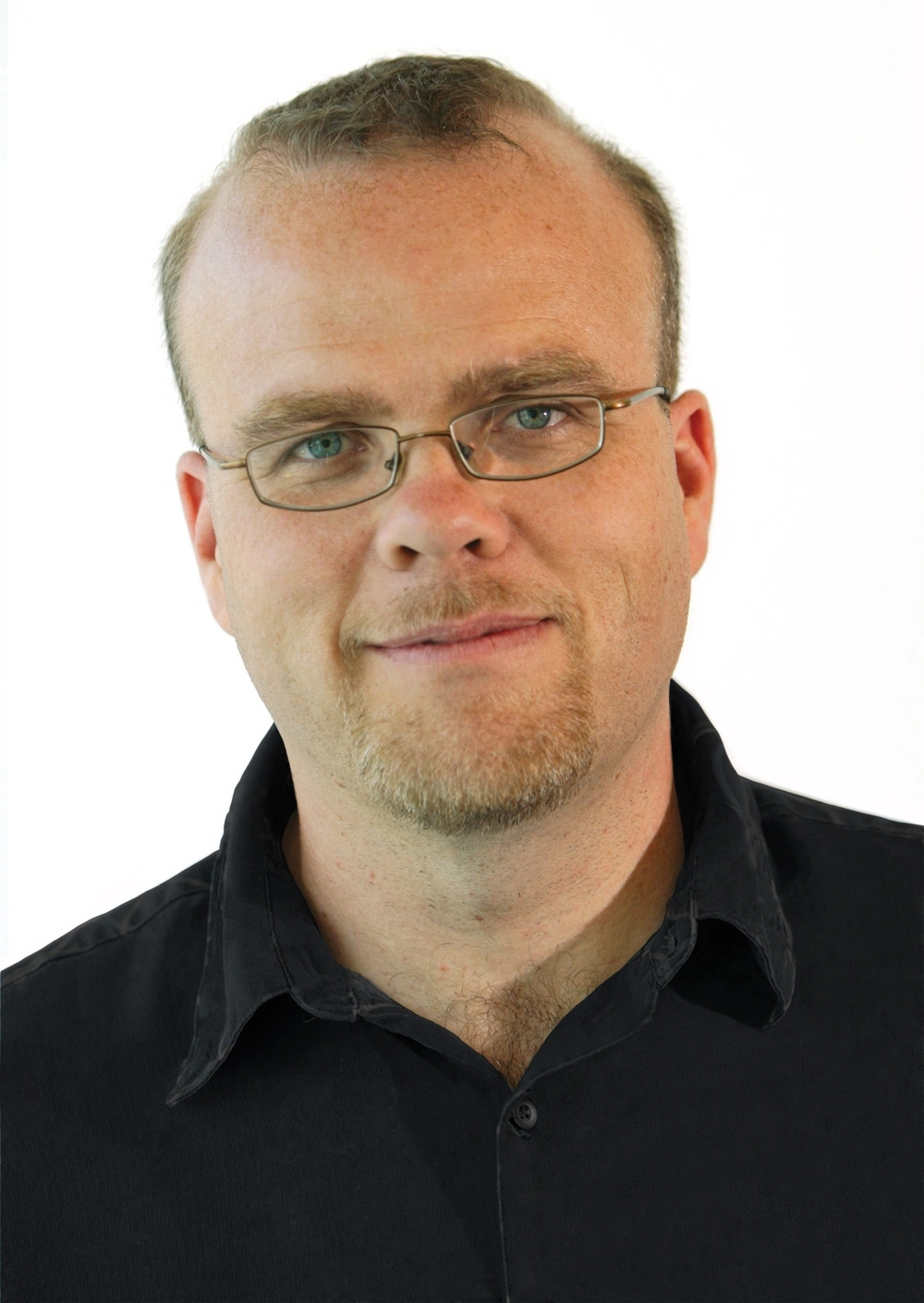
| 13 Quotes | |
| Occup. | Scientist |
| From | Denmark |
| Born | November 22, 1968 Qeqertarsuaq (prev. Godhavn), Greenland, Kingdom of Denmark |
| Age | 57 years |
| Cite | |
Citation Formats
APA Style (7th ed.)
Rasmus lerdorf biography, facts and quotes. (2026, February 11). FixQuotes. https://fixquotes.com/authors/rasmus-lerdorf/
Chicago Style
"Rasmus Lerdorf biography, facts and quotes." FixQuotes. February 11, 2026. https://fixquotes.com/authors/rasmus-lerdorf/.
MLA Style (9th ed.)
"Rasmus Lerdorf biography, facts and quotes." FixQuotes, 11 Feb. 2026, https://fixquotes.com/authors/rasmus-lerdorf/. Accessed 27 Mar. 2026.
Early Life and Background
Rasmus Lerdorf was born on November 22, 1968, in Greenland (then administered by Denmark) to Danish parents and grew up moving through the Danish realm before later settling in North America. The Arctic and Scandinavian setting mattered less as a romantic origin story than as a practical one: small communities and long winters rewarded self-reliance, tinkering, and a calm relationship with machines that either worked or did not. He carried that temperament into the early web era, where patience with constraints and disdain for ornament became an advantage.By the late 1980s and early 1990s, computing culture was shifting from institutional mainframes to personal Unix workstations and networked labs. The World Wide Web was emerging from CERN into universities and hobbyist circles; the skills that mattered were not grand theory but the ability to wire together tools, ship quickly, and keep systems running. Lerdorf fit that moment - pragmatic, mildly iconoclastic, and oriented toward solving the immediate problem in front of him rather than proving a point.
Education and Formative Influences
Lerdorf studied systems that sat close to hardware and operating systems, completing formal training in computer science and learning in the idioms of C, Unix utilities, and the early open-source ethos. Those influences are visible in his later work: a preference for straightforward interfaces, an impatience with ceremony, and an instinct to treat the network as a messy reality rather than a textbook abstraction. He internalized the culture of "show me the code" at a time when software engineering was fragmenting into more theoretical, standards-heavy camps.Career, Major Works, and Turning Points
In 1994-1995, while working in the technology industry in Canada, Lerdorf wrote a set of Common Gateway Interface tools to track visits to his personal homepage and to simplify repetitive web tasks; he released them publicly as "Personal Home Page Tools". As others adopted and modified the code, it evolved into PHP/FI and then PHP 3, with Lerdorf remaining a key guiding force as PHP became one of the web's dominant server-side languages for dynamic pages. Later he held influential engineering roles, including at Yahoo (where he worked on large-scale infrastructure) and as an early employee at WePay, but his defining turning point was that initial decision to publish small, useful scripts into a public commons - inadvertently helping set the template for how open-source web tooling could spread: fast, imperfect, and responsive to demand.Philosophy, Style, and Themes
Lerdorf's public voice has long reflected an engineer who distrusts formalism when it obstructs shipping software. He is associated with an attitude sometimes summarized as: the web is heterogeneous, user agents are inconsistent, and production systems reward robustness over purity. His temperament is embedded in one of his most quoted remarks: “When the world becomes standard, I will start caring about standards”. Read psychologically, it is less anti-intellectual than anti-pretense - a refusal to treat compliance as a virtue when reality is fragmentary and deadlines are real.That same mindset shows up in the way he explained mundane failures to users: “The file is a gzipped tar file. Your browser is playing tricks with you and trying to be smart”. Behind the dry humor is a consistent theme: tools should be blamed and debugged, not mystified; the engineer's job is to name the failure mode and move on. In the same spirit he insisted, “This is your silly web browser doing that. The file is correctly named”. Taken together, these lines reveal a personality shaped by early web chaos - protective of the server's truth, skeptical of client-side "helpfulness", and determined to keep explanations concrete.
Legacy and Influence
Lerdorf's enduring influence is inseparable from PHP's ubiquity: by lowering the barrier to writing dynamic web applications, PHP helped define the "LAMP" generation of websites and empowered countless self-taught developers, small businesses, and open-source communities. Even critics who dislike the language's inconsistencies often concede its historical role in making the web writable, not just readable, at massive scale. As a biographical figure, Lerdorf stands for a distinctive kind of scientific engineering in the internet age - empirical, impatient with dogma, and willing to release an imperfect tool that works today, then let the world harden it tomorrow.Our collection contains 13 quotes written by Rasmus, under the main topics: Sarcastic - Coding & Programming - Internet.
Frequently Asked Questions
- Rasmus Lerdorf education: He studied at the University of Waterloo in Canada and is commonly reported to have earned a Bachelor of Applied Science degree there.
- Who is Rasmus Lerdorf? The creator of PHP
- How old is Rasmus Lerdorf? He is 57 years old
Rasmus Lerdorf Famous Works
- 2002 Programming PHP (Book)
- 2000 PHP Pocket Reference (Book)
Source / external links