
Ray Stannard Baker Biography Quotes 13 Report mistakes
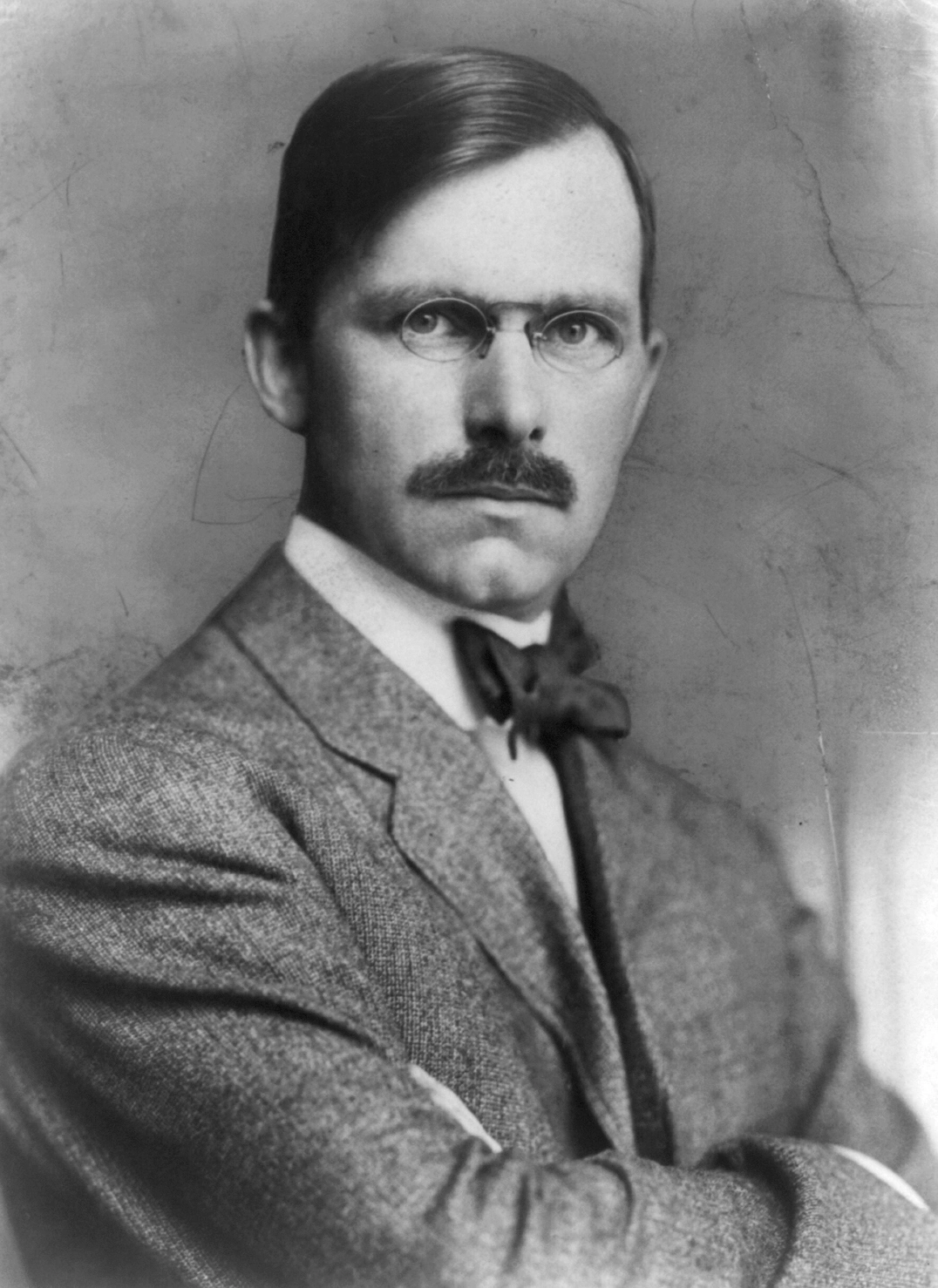
| 13 Quotes | |
| Known as | David Grayson |
| Occup. | Journalist |
| From | USA |
| Born | April 17, 1870 Lansing, Michigan |
| Died | July 12, 1946 |
| Aged | 76 years |
| Cite | |
Citation Formats
APA Style (7th ed.)
Ray stannard baker biography, facts and quotes. (2026, February 11). FixQuotes. https://fixquotes.com/authors/ray-stannard-baker/
Chicago Style
"Ray Stannard Baker biography, facts and quotes." FixQuotes. February 11, 2026. https://fixquotes.com/authors/ray-stannard-baker/.
MLA Style (9th ed.)
"Ray Stannard Baker biography, facts and quotes." FixQuotes, 11 Feb. 2026, https://fixquotes.com/authors/ray-stannard-baker/. Accessed 5 Mar. 2026.
Early Life and Background
Ray Stannard Baker was born on April 17, 1870, in Lansing, Michigan, into a post-Civil War Midwest being remade by railroads, factories, and the emerging national press. His father, a lawyer and Civil War veteran, moved the family to Saginaw, a lumber and manufacturing center, where Baker grew up watching fortunes rise on extraction and transport, and watching politics follow money. That early proximity to industry and civic power later gave his reporting its characteristic mix of curiosity, moral pressure, and attention to how systems - not only individuals - produce outcomes.He came of age as the country shifted from Reconstruction to segregation, from craft labor to mass industry, and from partisan newspapers to magazine journalism with national reach. Baker developed an inward habit of looking past speeches to social facts - how people were housed, hired, policed, or excluded - and he became a writer who believed that careful observation could be a form of public service. The muckraking era did not invent his conscience; it gave his temperament an outlet and a readership.
Education and Formative Influences
Baker attended Michigan State College in East Lansing, an institution shaped by practical science and civic republicanism, and later studied at the University of Michigan. His education coincided with the rise of sociology, investigative reporting, and reform-minded Protestant ethics. He absorbed the idea that citizenship required information and that a writer should test claims against lived reality, especially in industrial towns where strikes, accidents, and blacklisting were not abstractions but daily threats.Career, Major Works, and Turning Points
Beginning as a reporter in the Midwest, Baker moved into national magazine work and became one of the leading journalists of the Progressive Era, writing for outlets such as McClure's and translating complex conflicts into narratives centered on workers, managers, and lawmakers. His early books on labor and industry included studies of strikes and corporate power, and he gained authority by going where the story was raw: mill towns, picket lines, and tense interracial public spaces. In 1908 he published Following the Color Line, a deeply reported investigation of segregation and racial violence, followed by essays and books that treated race as a national problem rather than a regional curiosity. A later turning point came with politics at the highest level: Baker became a close observer and ultimately the authorized biographer of Woodrow Wilson, serving as a public interpreter of Wilsonian liberal internationalism and later helping shape the documentary record of the Paris Peace Conference through his editorship of relevant papers and narratives. The arc of his career ran from street-level reportage to statecraft, but his central method remained the same: to ask what power looks like from below.Philosophy, Style, and Themes
Baker wrote with a disciplined clarity that avoided ornamental rhetoric in favor of scene, testimony, and social mechanism. He believed reform required description accurate enough to withstand denial. That is why his racial reporting lingers on mundane humiliations as well as spectacular violence: “One of the points in which I was especially interested was the Jim Crow regulations, that is, the system of separation of the races in street cars and railroad trains”. The sentence reads like field notes, but psychologically it reveals his governing instinct - to locate the precise hinge where a society turns prejudice into routine administration. His style often proceeds from the visible rule to the invisible consequence, showing how a seat assignment on a trolley hardens into a whole moral order.He was also drawn to collective behavior under strain - strikes, riots, and crowds - because such moments expose what citizens truly believe about law. “A mob is the method by which good citizens turn over the law and the government to the criminal or irresponsible classes”. Here Baker is not simply condemning violence; he is dissecting the self-deception of respectability, the way ordinary people outsource responsibility when fear and rumor surge. Yet he refused to reduce social crises to party slogans. “In the beginning I thought, and still think, he did great good in giving support and encouragement to this movement. But I did not believe then, and have never believed since, that these ills can be settled by partisan political methods. They are moral and economic questions”. That conviction - moral urgency paired with suspicion of partisan shortcuts - explains both his best reporting and his later ambivalence toward political hero-worship, even as he documented Wilson with unmatched access.
Legacy and Influence
Baker died on July 12, 1946, leaving behind a body of work that links the classic muckrakers to later civil-rights and policy journalism. Following the Color Line remains an essential window into how segregation operated in practice and how a white reform journalist tried, imperfectly but persistently, to see the nation whole. His Wilson biography and related documentary projects continue to shape how historians understand Progressive politics and the Peace Conference, while his writings on labor anticipate the twentieth century's central question: whether industrial democracy is achieved by technique, by law, or by the harder work of moral recognition.Our collection contains 13 quotes written by Ray, under the main topics: Ethics & Morality - Justice - Equality - Peace - Legacy & Remembrance.
Other people related to Ray: Ida Tarbell (Journalist)
Ray Stannard Baker Famous Works
- 1913 The Friendly Road (Book)
- 1910 Adventures in Friendship (Book)
- 1908 Following the Color Line (Book)
- 1907 Adventures in Contentment (Book)
- 1903 Boys' Second Book of Inventions (Book)
Source / external links