
Rene Magritte Biography Quotes 10 Report mistakes
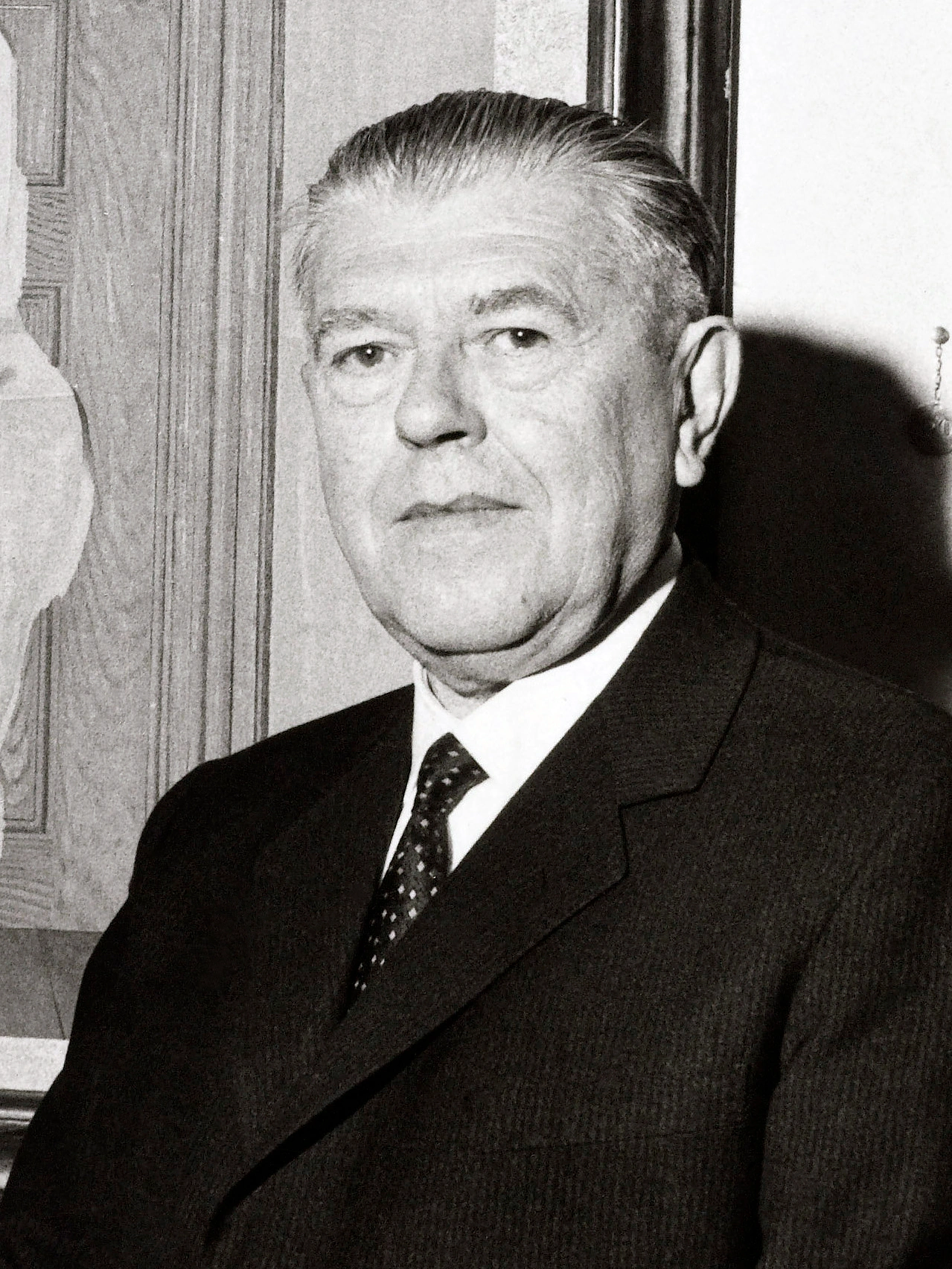
| 10 Quotes | |
| Born as | René François Ghislain Magritte |
| Native name | René Magritte |
| Occup. | Artist |
| From | Belgium |
| Born | November 21, 1898 Lessines, Belgium |
| Died | August 15, 1967 Brussels, Belgium |
| Aged | 68 years |
| Cite | |
Citation Formats
APA Style (7th ed.)
Rene magritte biography, facts and quotes. (2026, February 11). FixQuotes. https://fixquotes.com/authors/rene-magritte/
Chicago Style
"Rene Magritte biography, facts and quotes." FixQuotes. February 11, 2026. https://fixquotes.com/authors/rene-magritte/.
MLA Style (9th ed.)
"Rene Magritte biography, facts and quotes." FixQuotes, 11 Feb. 2026, https://fixquotes.com/authors/rene-magritte/. Accessed 27 Mar. 2026.
Early Life and Background
Rene Magritte was born on November 21, 1898, in Lessines, in Belgium's French-speaking Wallonia, the eldest son of Leopold Magritte, a tailor and textile merchant, and Regine Bertinchamps. The family moved repeatedly through provincial towns including Gilly and Chatelet, a restlessness that left him attached to ordinary streets, modest rooms, and the quiet theater of bourgeois life - the very settings he would later render uncanny.A defining rupture came in 1912 when his mother died by suicide, drowning in the Sambre River. The story - often retold with variations, including the image of a nightdress covering her face - sits behind his lifelong preoccupation with veiling, substitution, and the violence of appearances. Whether or not the anecdotal details are exact, the fact of early bereavement sharpened his sense that what is most important is not displayed but withheld, and that the everyday can suddenly become unreadable.
Education and Formative Influences
From 1916 to 1918 he studied at the Academie Royale des Beaux-Arts in Brussels, where academic training bored him but the city supplied modern stimuli: Futurism, Cubism, and Italian Metaphysical painting. A crucial jolt came from Giorgio de Chirico, whose empty plazas and displaced objects suggested a logic of images freed from anecdote and virtuoso brushwork. Magritte also formed durable personal bonds: he met Georgette Berger in adolescence and married her in 1922, making their partnership - domestic, steady, and sometimes strained - a quiet anchor for a career built on destabilizing what "home" looks like.Career, Major Works, and Turning Points
After early work in commercial design, he joined the Brussels Surrealists around Paul Nouge and Camille Goemans, and in 1927 held his first solo show at Galerie Le Centaure; hostile reviews pushed him and Georgette to Paris (1927-1930), where he aligned with Andre Breton's circle while keeping a cool independence. Back in Brussels he developed the mature vocabulary: clean, illustrative surfaces; ordinary objects; and conceptual shocks staged with deadpan calm. Key works include The Lovers (1928), The Treachery of Images (1929) with its "Ceci n'est pas une pipe", The Human Condition (1933), The Menaced Assassin (1927), The Empire of Light (begun 1949), Golconda (1953), and The Son of Man (1964). Wartime scarcity, postwar disillusion, and the art market each forced shifts - from the brief "Renoir period" of brighter color and soft exuberance (1943-1947), to the abrasive "vache" parody style (1948), and finally to the widely recognized late synthesis that turned his motifs into international icons.Philosophy, Style, and Themes
Magritte's central tactic was not abstraction but philosophical sabotage: to paint with the clarity of an advertisement while denying the viewer the comfort of stable meaning. He treated painting as a machine for producing questions, often by making language and image collide (pipes that are not pipes, titles that contradict depiction), or by swapping scale and context so the world seems to misremember itself. His interiors and skies, bowler hats and apples, curtains and stones are not private symbols so much as public things pushed slightly out of place, as if reality had been edited by a cool intelligence unwilling to confess its motive.Yet beneath the coolness lies a psychology alert to concealment and desire. “Everything we see hides another thing, we always want to see what is hidden by what we see”. That hunger - sharpened by early loss and by a lifelong suspicion of bourgeois certainty - fuels his repeated veils, faceless figures, and blocked vistas. He insisted that the goal of art was not to decode but to preserve enigma: “Art evokes the mystery without which the world would not exist”. Even his most famous slogan about the pipe is less a trick than a discipline - a refusal to let the mind confuse names, images, and things. And his late posture, sharpened in the Cold War, kept darkness in view while resisting despair: “We must not fear daylight just because it almost always illuminates a miserable world”.
Legacy and Influence
Magritte died in Brussels on August 15, 1967, leaving Surrealism with one of its most durable, exportable languages: the shock of the ordinary made strange without painterly melodrama. His influence runs through Pop art and conceptual art (from Warhol's deadpan to Kosuth's language-games), cinema (Hitchcock to Lynch), album covers, advertising, and the visual grammar of memes - a mixed legacy he anticipated by painting like a billboard while undermining what billboards promise. Museums such as the Musee Magritte Museum in Brussels and the steady re-circulation of works like The Empire of Light have kept his questions alive: not what an image "means", but why the mind needs meaning so badly, and what it costs to confuse representation with reality.Our collection contains 10 quotes written by Rene, under the main topics: Truth - Art - Deep - War.
Source / external links