
Rene Rivkin Biography Quotes 4 Report mistakes
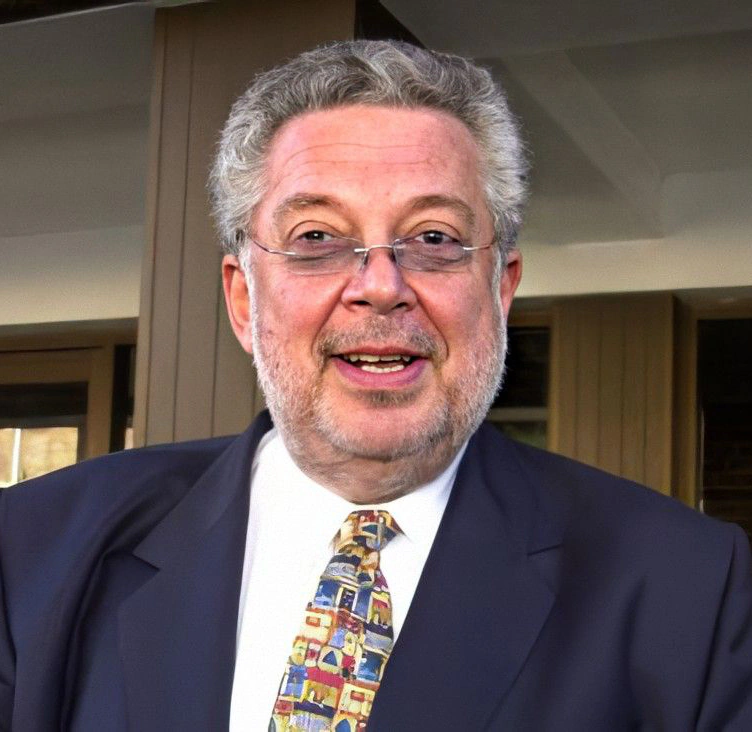
| 4 Quotes | |
| Occup. | Businessman |
| From | Australia |
| Born | June 6, 1944 Sydney, New South Wales, Australia |
| Died | May 1, 2005 Sydney, New South Wales, Australia |
| Cause | Suicide |
| Aged | 60 years |
| Cite | |
Citation Formats
APA Style (7th ed.)
Rene rivkin biography, facts and quotes. (2026, February 11). FixQuotes. https://fixquotes.com/authors/rene-rivkin/
Chicago Style
"Rene Rivkin biography, facts and quotes." FixQuotes. February 11, 2026. https://fixquotes.com/authors/rene-rivkin/.
MLA Style (9th ed.)
"Rene Rivkin biography, facts and quotes." FixQuotes, 11 Feb. 2026, https://fixquotes.com/authors/rene-rivkin/. Accessed 12 Feb. 2026.
Early Life and Background
Rene Rivkin was born on June 6, 1944, into a Jewish family marked by displacement and ambition. His father, Colonel Boris Rivkin, had fought with Soviet forces in World War II before the family rebuilt its life far from Europe; the arc from war-scarred beginnings to Australian prosperity became the emotional backdrop to Rivkin's later fixation on security, control, and the swift arithmetic of money. He grew up with the sense that comfort was earned, contingent, and vulnerable to the next turn of events.Sydney in Rivkin's youth was modernizing quickly - suburban expansion, rising consumer wealth, and a finance sector becoming more sophisticated as Australia loosened postwar constraints. Rivkin absorbed the era's mixture of old-school clubbiness and new opportunity, learning early that markets were not just numbers but social systems: reputations, alliances, fear, and confidence. That human theater would later be central to both his success and his undoing.
Education and Formative Influences
Rivkin attended Cranbrook School in Sydney, a training ground for the city's professional class, and gravitated toward business not as an abstract discipline but as a living contest of judgment. He was shaped less by formal theory than by observation: the way information moved, who was listened to, and how quickly fortunes could be made or lost in a small market where personalities mattered. The postwar rise of equities as a middle-class instrument, coupled with Australia's increasing exposure to global capital flows, offered him a stage where speed, nerve, and narrative could be converted into wealth.Career, Major Works, and Turning Points
He became one of Australia's best-known stockbrokers and market commentators, building Rivkin Stockbroking and a public persona that blended confident prediction with entertainer's timing. In the 1980s and 1990s he rode the growing culture of retail investing, turning market talk into a form of mass media and himself into a brand synonymous with stock picking. The defining rupture came with insider trading allegations tied to a takeover play involving Qantas shares; in 2004 he pleaded guilty to insider trading and received a custodial sentence, a public fall that re-framed his career from daring market operator to cautionary symbol of blurred lines between access and advantage. He died on May 1, 2005, after illness, at 60, with his name still dominating debate about ethics, celebrity, and temptation in finance.Philosophy, Style, and Themes
Rivkin's inner life was organized around the market as both arena and refuge. He spoke like someone for whom price action was emotional oxygen, not merely a means to an end: "I love the market, it is my work, my play and my life". That line captures a psychology of immersion - the world condensed into signals that could be interpreted, mastered, and monetized. His much-quoted impatience with downtime - "I hate weekends because there is no stock market". - reads less as a joke than as a confession of restlessness, even dependency: the need for the next opening bell to reset anxiety into action.His public style mixed simple heuristics with moral storytelling. He urged investors to think like owners, not gamblers: "When buying shares, ask yourself, would you buy the whole company?" In that framing, speculation becomes a test of integrity - a demand that the buyer imagine responsibility for employees, assets, and strategy, not just a chart. Yet his life also illustrates how proximity to information and power can corrode that owner-like posture, replacing patient stewardship with a belief that being "in the room" justifies the edge. Even his softer maxim about treating people well pointed to a transactional humanism - kindness as a pathway to stability in a volatile world - but the legal case showed how easily the social fabric of markets can become a tool rather than a constraint.
Legacy and Influence
Rivkin endures as a paradox in Australian business history: a gifted communicator who helped popularize equity investing and made market language feel accessible, and a fallen celebrity whose conviction sharpened public skepticism about broker culture, selective disclosure, and the seductions of influence. His life is cited in discussions of compliance and governance precisely because he embodied the industry at its most charismatic - the broker as tastemaker - and then demonstrated how thin the line can be between confidence and entitlement. For admirers, he remains an emblem of energy, intuition, and the romance of markets; for critics, a reminder that the market's theater rewards performance, but its rules ultimately demand accountability.Our collection contains 4 quotes written by Rene, under the main topics: Kindness - Investment.
Source / external links