
Ricardo Lagos Biography Quotes 11 Report mistakes
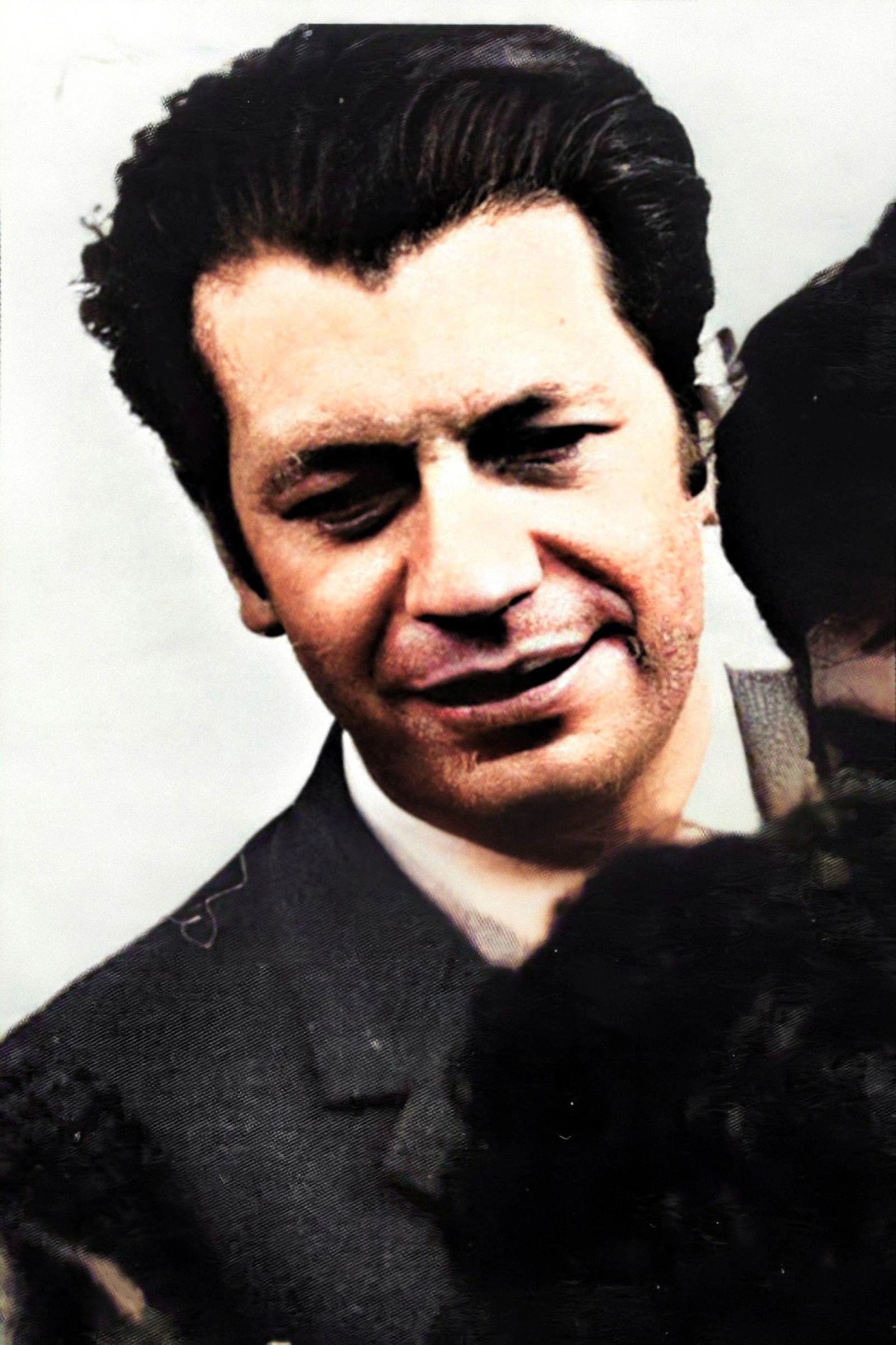
| 11 Quotes | |
| Born as | Ricardo Froilán Lagos Escobar |
| Occup. | Politician |
| From | Chile |
| Born | March 2, 1938 Santiago, Chile |
| Age | 87 years |
| Cite | |
Citation Formats
APA Style (7th ed.)
Ricardo lagos biography, facts and quotes. (2026, February 11). FixQuotes. https://fixquotes.com/authors/ricardo-lagos/
Chicago Style
"Ricardo Lagos biography, facts and quotes." FixQuotes. February 11, 2026. https://fixquotes.com/authors/ricardo-lagos/.
MLA Style (9th ed.)
"Ricardo Lagos biography, facts and quotes." FixQuotes, 11 Feb. 2026, https://fixquotes.com/authors/ricardo-lagos/. Accessed 12 Feb. 2026.
Early Life and Education
Ricardo Froilan Lagos Escobar was born on March 2, 1938, in Santiago, Chile. Raised in a middle-class family, he came of age in a country marked by intense political debates about development, social justice, and democracy. He studied law at the University of Chile, where he became known for his analytical rigor and commitment to public service. Seeking tools to connect law, economics, and policy, he continued his studies in the United States and earned a doctorate in economics from Duke University. The blend of legal training and economic analysis became a hallmark of his approach to governing, and his academic work was influenced by the structuralist tradition that shaped policy discussions across Latin America.Academic and International Work
Returning to Chile, Lagos taught and engaged in research, participating in the intellectual environment around the University of Chile and the United Nations Economic Commission for Latin America and the Caribbean. The questions that preoccupied him in those years, how to reduce inequality, accelerate development, and consolidate democratic institutions, would define his later political agenda. Even as his academic profile rose, he cultivated relationships across the political spectrum and built a reputation as a persuasive communicator able to translate complex issues into concrete proposals.Opposition to Dictatorship and the NO Campaign
After the 1973 military coup that toppled Salvador Allende, Lagos became an outspoken critic of the Augusto Pinochet regime. He emerged as a prominent figure in the civic movement that sought a peaceful return to democracy, working alongside leaders such as Patricio Aylwin, Eduardo Frei Ruiz-Tagle, and Jose Miguel Insulza, and helping form coalitions that bridged parties and civil society. During the 1988 plebiscite, his televised denunciation of the dictatorship turned him into a national symbol of the NO campaign. That moment, firm, direct, and grounded in a legal and moral argument for accountability, cemented his leadership within the emerging Concertacion de Partidos por la Democracia, which brought together Christian democrats, social democrats, and liberals around a common transition agenda.Transition to Democracy and Ministerial Roles
With the restoration of democracy in 1990 under President Patricio Aylwin, Lagos served as Minister of Education, where he pushed to improve school quality and strengthen equity in access. Under President Eduardo Frei Ruiz-Tagle he became Minister of Public Works, modernizing infrastructure through a system of public-private concessions that would later be expanded. These years tested his managerial skills and his ability to negotiate across parties, business, labor, and regional interests. He helped found the Party for Democracy (PPD) and played a central role inside the broader Concertacion, working closely with figures such as Soledad Alvear and Nicolas Eyzaguirre to align social policy with macroeconomic stability.Presidency (2000–2006)
Ricardo Lagos won the presidency in a close runoff in early 2000, defeating Joaquin Lavin. His administration focused on combining growth with social inclusion, expanding infrastructure, and strengthening democratic institutions. He oversaw landmark free trade agreements that deepened Chile's global integration, including accords with the European Union, the United States, and key partners in Asia. At home, his government created the AUGE system of explicit health guarantees to reduce waiting times and improve coverage for prioritized conditions. He promoted Chile Solidario to support families in extreme poverty and advanced a long-debated civil marriage reform that introduced divorce, reshaping family law.Confronted with procurement and public works controversies, Lagos pushed a far-reaching probity and transparency agenda, including the professionalization of the civil service through the Senior Public Management System and the expansion of open procurement platforms such as ChileCompra. On human rights, he created the National Commission on Political Imprisonment and Torture, known as the Valech Commission, which documented abuses and expanded recognition and support for victims. Constitutional reforms in 2005 removed appointed senators and further reduced the tutelary role embedded in the 1980 Constitution, strengthening civilian democratic control. His cabinet featured experienced figures, Jose Miguel Insulza at the Interior Ministry for most of the term, Soledad Alvear at Foreign Affairs early on, and Nicolas Eyzaguirre at Finance, reflecting a balance between political coalition-building and technocratic expertise.
Later Roles and Global Engagement
After leaving office in 2006, Lagos remained active in public life. He founded the Fundacion Democracia y Desarrollo to promote policy innovation and citizen engagement. Internationally, he served as a UN Special Envoy on Climate Change, working with other global leaders to build momentum for multilateral action and carbon reduction commitments. He participated in forums such as the Club de Madrid, advising on democratic governance and transitions. At home, he weighed in on institutional reforms and the debate over constitutional change, encouraging broad agreements to modernize Chile's social contract while preserving democratic checks and balances.Personal Life and Legacy
Ricardo Lagos's public trajectory was also shaped by those closest to him. His wife, Luisa Duran, played an important role as First Lady, championing cultural initiatives and civil society partnerships during the presidency. His son, Ricardo Lagos Weber, followed him into public service and became a prominent legislator. Across decades, Lagos worked in partnership with leaders from different political traditions, including Patricio Aylwin, Eduardo Frei Ruiz-Tagle, and Michelle Bachelet within the governing coalition, and he engaged adversaries such as Joaquin Lavin and other figures of the center-right in democratic competition.Lagos is widely regarded as a statesman whose blend of legal reasoning, economic pragmatism, and ethical conviction helped consolidate Chile's democratic transition. He is associated with the modernization of public infrastructure, the professionalization of the state, and the expansion of social rights through programs like AUGE. Equally, his role in confronting the legacy of human rights violations and advancing constitutional reforms affirmed the primacy of civilian rule. As an academic, minister, president, and international advocate, Ricardo Lagos built bridges between ideas and institutions and between Chile and the world, leaving a durable imprint on the country's political and civic life.
Our collection contains 11 quotes written by Ricardo, under the main topics: Ethics & Morality - Justice - Freedom - Equality - Peace.
Other people related to Ricardo: Fernando Flores (Politician)