
Richard Brinsley Sheridan Biography Quotes 31 Report mistakes
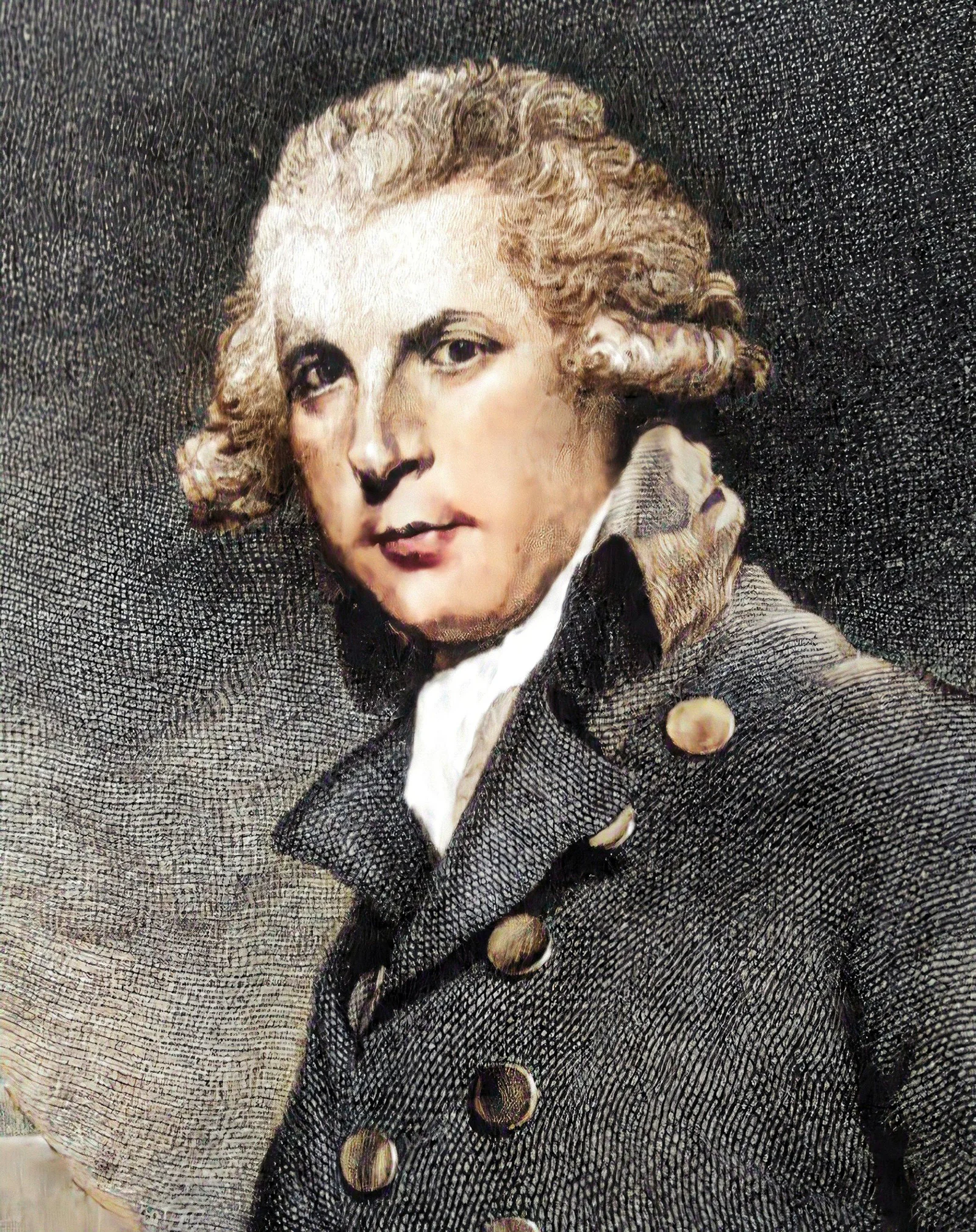
| 31 Quotes | |
| Born as | Richard Brinsley Butler Sheridan |
| Occup. | Playwright |
| From | Ireland |
| Born | October 30, 1751 Dublin, Ireland |
| Died | July 7, 1816 London, England |
| Cause | Complications from a surgical procedure |
| Aged | 64 years |
| Cite | |
Citation Formats
APA Style (7th ed.)
Richard brinsley sheridan biography, facts and quotes. (2026, February 2). FixQuotes. https://fixquotes.com/authors/richard-brinsley-sheridan/
Chicago Style
"Richard Brinsley Sheridan biography, facts and quotes." FixQuotes. February 2, 2026. https://fixquotes.com/authors/richard-brinsley-sheridan/.
MLA Style (9th ed.)
"Richard Brinsley Sheridan biography, facts and quotes." FixQuotes, 2 Feb. 2026, https://fixquotes.com/authors/richard-brinsley-sheridan/. Accessed 11 Feb. 2026.
Early Life and Background
Richard Brinsley Sheridan was born Richard Brinsley Butler Sheridan on October 30, 1751, in Dublin, into a family that already lived by words and performance. His father, Thomas Sheridan, was an actor-manager and elocutionist who campaigned for clearer spoken English; his mother, Frances Sheridan, wrote novels and plays in an era when women authors navigated both acclaim and suspicion. Ireland in the mid-18th century was culturally vibrant yet politically constrained, and Sheridan grew up watching talent bargain with patronage, fashion, and the prejudices of the British stage.When the family moved to England, Sheridan absorbed the London-centered reality that wit could be currency and that reputation could be made - or ruined - in a night. He was handsome, socially alert, and quick to read a room, but he also carried a private volatility: pride that demanded recognition, and a streak of insecurity that made applause feel necessary rather than merely pleasant. The theater world taught him early that charm is labor, and that a public self must be performed even when the private self is doubtful.
Education and Formative Influences
Sheridan was educated at Harrow School, where classical training met the competitive theater of adolescent status, and where he sharpened a gift for dialogue that could cut without seeming cruel. His formative influences were less philosophical systems than living examples: his parents modelled authorship as a profession; London society modelled language as power; and the dueling culture of honor shaped his sense that a slight was a social fact. His elopement and marriage in 1773 to the celebrated singer Elizabeth Linley - secured after two duels with a rival and the scramble of scandal - fused romance, risk, and publicity into the pattern of his adult life.Career, Major Works, and Turning Points
Sheridan exploded onto the London stage with The Rivals (1775), revised after an initially uneven reception, followed by the farce St. Patrick's Day and the comic opera The Duenna (both 1775), and then his masterpiece The School for Scandal (1777), a high-wire anatomy of gossip, credit, and hypocrisy. He also wrote The Critic (1779), a satire of theatrical vanity, and became owner and manager of the Theatre Royal, Drury Lane, making him both artist and businessman. In 1780 he entered Parliament as a Whig and, in the 1780s and 1790s, emerged as a formidable orator allied with Charles James Fox; his role in the impeachment of Warren Hastings showed a moral seriousness often missed in accounts of his sparkle. Yet turning points were costly: chronic debt, political exhaustion, and the 1809 fire that destroyed Drury Lane deepened his financial spiral, and by his last years illness and poverty dimmed the social brilliance that had once seemed inexhaustible. He died in London on July 7, 1816, and was buried in Westminster Abbey, an honor that contrasted sharply with the disorder of his final decade.Philosophy, Style, and Themes
Sheridan's comedies are built on the conviction that society is a marketplace of appearances: names, rumors, and manners circulate like money, and the poor are often those who cannot control the story told about them. He wrote with a musician's ear for timing - entrances, overheard phrases, sudden reversals - and with a moralist's delight in exposing the gap between what people claim and what they desire. Under the laughter is an anxious psychology: Sheridan knew how quickly affection turns transactional, and how much of "virtue" is performed for an audience that is itself unreliable.His dialogue returns obsessively to motives that embarrass polite speech: jealousy, appetite, self-interest, and the thrills of bending rules. He can sound like a cynic about the heart, as when he remarks, "Modesty is a quality in a lover more praised by the women than liked". That line is not merely a joke but a confession of his dramaturgy - desire is rarely improved by virtue, only disguised by it. The political Sheridan - the man of salons, elections, and patronage - surfaces in the wry entanglement of ethics and advantage: "Conscience has no more to do with gallantry than it has with politics". His stage is crowded with people who treat rules as negotiable, and his satire sharpens when the law and credit systems reward manipulation, a theme distilled in, "You know it is not my interest to pay the principal, or my principal to pay the interest". In that quip is a whole late-Georgian world of debt, status, and the ingenious excuses that keep both afloat.
Legacy and Influence
Sheridan endures as the great refiner of the Restoration tradition into late-18th-century sentiment without losing bite: he kept the elegant machinery of intrigue but aimed it at the newly dominant culture of respectability, newspapers, and financial anxiety. The School for Scandal remains a repertory pillar because it dramatizes a modern problem - reputation as a social weapon - with classical clarity, and his archetypes (the professional gossip, the charming spendthrift, the hypocrite with a moral vocabulary) still map cleanly onto public life. As a playwright-politician he also embodies the Georgian fusion of theater and Parliament, reminding later ages that rhetoric is performance and that performance can become a form of power, even when the performer cannot finally master his own appetites.Our collection contains 31 quotes written by Richard, under the main topics: Witty One-Liners - Motivational - Ethics & Morality - Wisdom - Puns & Wordplay.
Other people related to Richard: Fanny Burney (Novelist), Arthur Murphy (Writer), Hannah Cowley (Dramatist)
Richard Brinsley Sheridan Famous Works
- 1799 Pizarro (Play)
- 1779 The Critic (Play)
- 1777 A Trip to Scarborough (Play)
- 1777 The School for Scandal (Play)
- 1775 The Duenna (Play)
- 1775 The Rivals (Play)
Source / external links