
Richard Drew Biography Quotes 3 Report mistakes
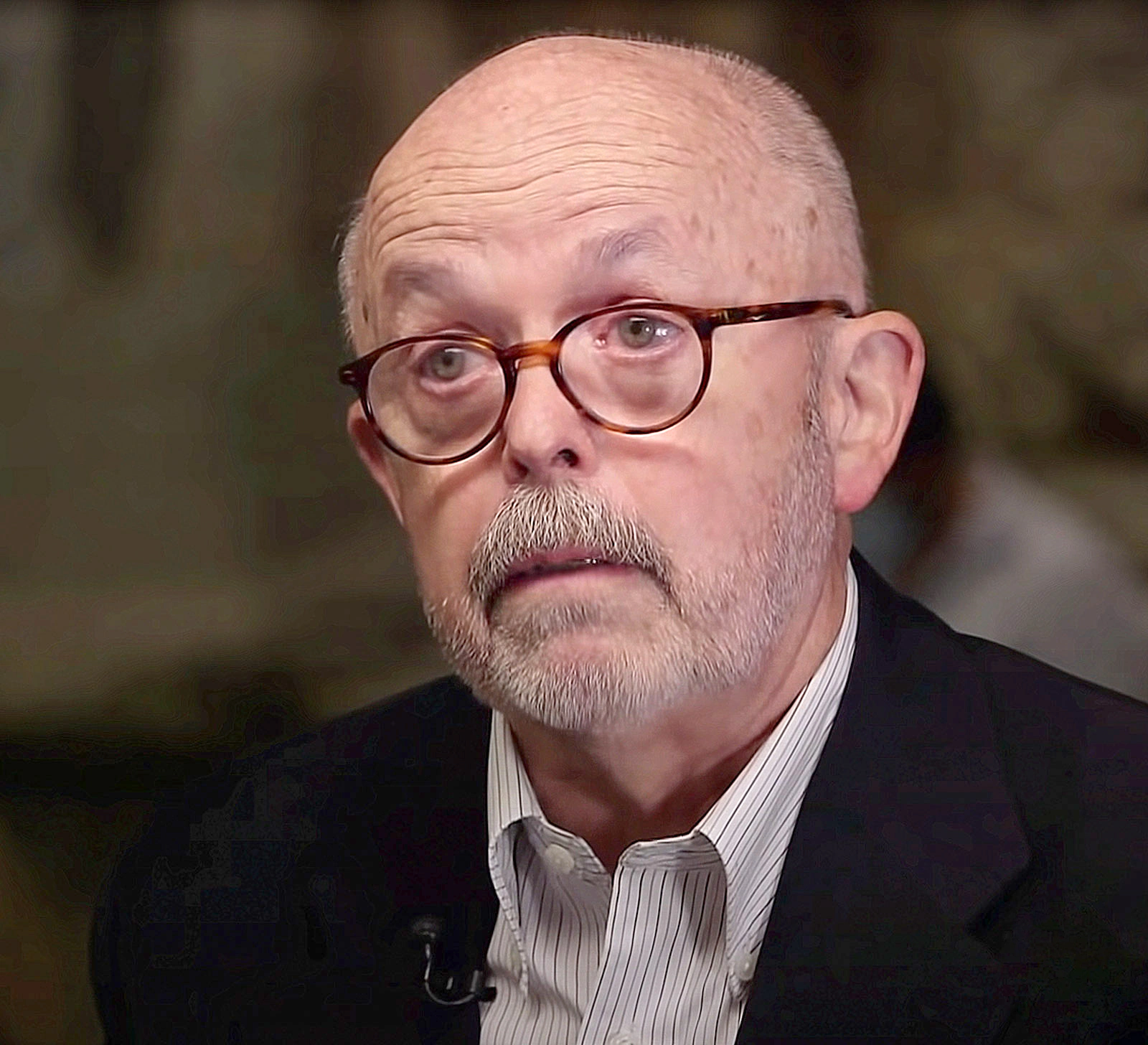
| 3 Quotes | |
| Occup. | Photographer |
| From | USA |
| Born | 1946 Allentown, Pennsylvania |
| Cite | |
Citation Formats
APA Style (7th ed.)
Richard drew biography, facts and quotes. (2026, February 11). FixQuotes. https://fixquotes.com/authors/richard-drew/
Chicago Style
"Richard Drew biography, facts and quotes." FixQuotes. February 11, 2026. https://fixquotes.com/authors/richard-drew/.
MLA Style (9th ed.)
"Richard Drew biography, facts and quotes." FixQuotes, 11 Feb. 2026, https://fixquotes.com/authors/richard-drew/. Accessed 28 Mar. 2026.
Early Life and Background
Richard Drew was born around 1946 in the United States, part of a postwar generation raised amid expanding suburbs, Cold War anxieties, and the rising authority of televised news. He came of age when photographs were increasingly asked to do the work of public memory - not merely illustrating events but fixing them into icons. That expectation would later collide with the ethical weight of what his camera recorded.Before he became known to the public, Drew built the habits typical of wire-service photographers: speed, restraint, and the ability to work inside crowds without becoming the story. Those habits were forged in an era when New York was both a media capital and a stage for disaster and spectacle - a city where a single assignment could shift from routine politics to catastrophe in minutes.
Education and Formative Influences
Reliable public detail about Drew's formal education is limited, but his professional formation reads like a classic newsroom apprenticeship: learning to anticipate decisive moments, to transmit images quickly, and to file work that editors could trust under deadline pressure. The broader influence was the culture of American photojournalism after Vietnam and Watergate, when skepticism toward official narratives grew and the photographer's credibility depended on accuracy, composure, and an almost clinical attention to what was actually visible.Career, Major Works, and Turning Points
Drew worked as a photographer for The Associated Press, covering politics, breaking news, and daily assignments in and around New York City. His career's most consequential turning point came on September 11, 2001. He was initially on assignment near midtown when the attacks unfolded and moved toward the World Trade Center area, photographing the developing crisis; among the frames he made was the image later widely known as The Falling Man, showing a person dropping from the tower in a vertical, head-first descent. The photograph circulated briefly, then was pulled by some outlets, only to reemerge in later debates about what the public should be asked to see when mass death becomes a shared event.Philosophy, Style, and Themes
Drew's public comments reveal a working philosophy rooted in witness rather than commentary, but also a deep awareness that photographs do not stay neutral once they enter culture. In describing his most debated image, he framed it not as provocation but as the tragic logic of an impossible choice: “The one image that's been causing a lot of discussion is one image that I shot of a man falling head-first from the building, before the buildings fell down. He was trapped in the fire, and decided to jump and take his own life, rather than being burned”. The sentence is both factual and moral: it tries to return agency to the victim while acknowledging the unbearable terms of that agency. Psychologically, it reads as a photographer's attempt to carry empathy without collapsing into sentimentality - a way to keep functioning while photographing what should stop a person cold.His style, like much AP work, emphasizes clarity and immediacy: clean framing under pressure, minimal embellishment, and an instinct for moments that will summarize the larger event. Yet his reflections on the attacks also show a mind that had rehearsed vulnerability long before 9/11. “I always thought security was a joke at New York airports, and in U.S. airports to begin with. You can go through any European or Middle Eastern airport and things are a lot tougher”. That critique is not merely policy talk; it suggests an inner tension common to disaster photographers - the sense that catastrophe is not only random but often invited by complacency. He also situated 9/11 inside a continuum of American trauma: “We've already seen how it's going to come in, in a truck, like it did at Oklahoma City at the Federal building or it's going to come in by plane, like it did at the World Trade Center”. The theme is recurrence: violence changes costume, but the nation's failure to imagine it remains.
Legacy and Influence
Drew's legacy is inseparable from the ethical argument his work reopened: whether the most painful evidence of an event is also the most necessary. The Falling Man became a touchstone for discussions about dignity, consent, and the role of the press in representing death, influencing editors, photographers, and scholars who study how images become historical artifacts. Beyond a single frame, his career stands for the wire-service ideal at its harshest edge - the photographer as witness when witnessing itself feels like an injury, and the photograph as a record that history may resist but cannot responsibly ignore.Our collection contains 3 quotes written by Richard, under the main topics: Mortality - War - Travel.
Richard Drew Famous Works
- 2001 The Falling Man (Photograph)
Source / external links