
Richard Hooker Biography Quotes 6 Report mistakes
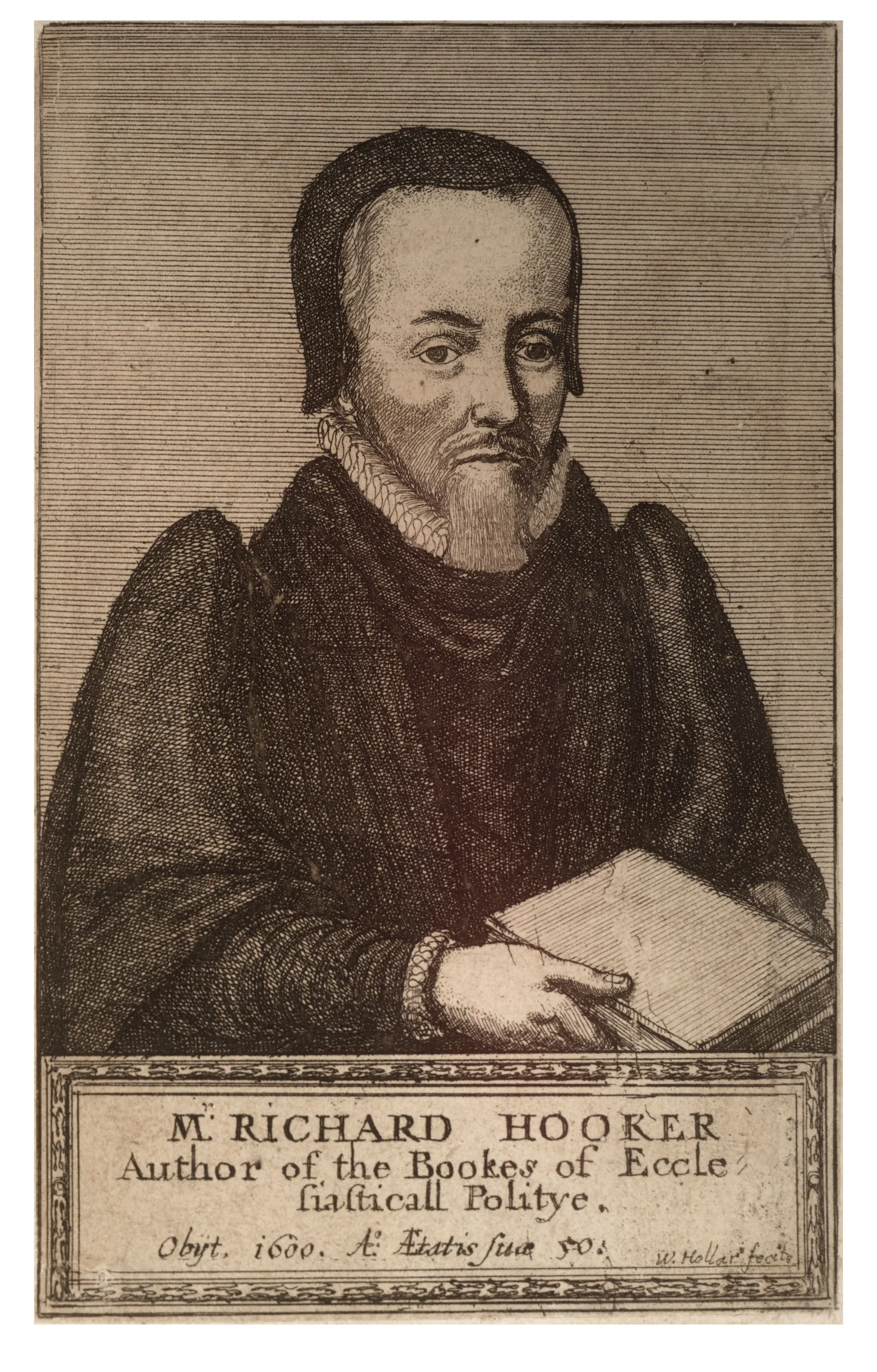
| 6 Quotes | |
| Occup. | Priest |
| From | England |
| Born | March 1, 1554 |
| Died | November 3, 1600 |
| Aged | 46 years |
| Cite | |
Citation Formats
APA Style (7th ed.)
Richard hooker biography, facts and quotes. (2026, February 11). FixQuotes. https://fixquotes.com/authors/richard-hooker/
Chicago Style
"Richard Hooker biography, facts and quotes." FixQuotes. February 11, 2026. https://fixquotes.com/authors/richard-hooker/.
MLA Style (9th ed.)
"Richard Hooker biography, facts and quotes." FixQuotes, 11 Feb. 2026, https://fixquotes.com/authors/richard-hooker/. Accessed 27 Mar. 2026.
Early Life and Background
Richard Hooker was born on March 1, 1554, in Heavitree, near Exeter in Devon, during the aftershocks of the English Reformation and just before Elizabeth I consolidated a distinctly English via media. He grew up in a country still nursing the bruises of Marian restoration and Protestant reaction, where parish worship, royal supremacy, and local custom were being re-taught, contested, and enforced within a single generation.Orphaned young, Hooker benefited from the patronage of John Jewel, bishop of Salisbury and a major apologist for Elizabethan Protestantism. That early dependence mattered: it acquainted him with the church as an institution held together by learning, patronage, and discipline as much as by zeal. It also trained his temperament toward steadiness - a suspicion of sudden cures, and an instinct for continuity in public religion.
Education and Formative Influences
Hooker entered Corpus Christi College, Oxford, in 1569 and became a fellow. Oxford in the 1570s was a forge for the clerical elite of the Elizabethan settlement, and Hooker absorbed patristic theology, scholastic method, and humanist rhetoric alongside close reading of Scripture. He was ordained and began to be known as an exact preacher and disputant, yet one whose learning aimed at peace rather than victory. The mix of Augustine and Aristotle, Thomas Aquinas and Reformed exegesis, left him convinced that reason, Scripture, and inherited practice were not enemies but instruments that had to be ordered to each other.Career, Major Works, and Turning Points
In 1585 Hooker became Master of the Temple Church in London, where the pulpit was a battleground: Walter Travers, his afternoon lecturer, pressed a presbyterian program that challenged episcopal governance and the Prayer Book. Their conflict, carried into the Privy Council, clarified Hooker's life task. He later held livings including Boscombe and Bishopsbourne in Kent, where he wrote the bulk of his masterpiece, Of the Lawes of Ecclesiasticall Politie (Books I-IV published 1593; Book V 1597; further books posthumous and textually complex). Hooker died on November 3, 1600, at Bishopsbourne, leaving behind a work that did not merely rebut opponents but offered an architecture for public Christianity under law.Philosophy, Style, and Themes
Hooker's central wager was that the church's outward order could be defended without treating every ceremony as divinely mandated. Against the claim that only what Scripture explicitly commands may be practiced in worship, he argued for a layered account of law: eternal law in God, natural law accessible to reason, divine law revealed in Scripture, and human law prudently made for common life. This is why he could sound both conservative and reformist at once: “Change is not made without inconvenience, even from worse to better”. The line is not a shrug but a psychological self-portrait - a man who had watched reforms ignite resentments, who feared that impatience masquerading as purity could unravel the fragile trust that makes a national church governable.His prose is famously spacious, built in long, balanced sentences that model the patience he demanded of his readers. He distrusted demagogic energies in religion, noting how easily grievance becomes a political resource: “He that goeth about to persuade a multitude that they are not so well governed as they ought to be shall never want attentive and favorable hearers”. That is both a diagnosis of puritan agitation in the 1580s and a broader warning about the seductions of moral entrepreneurship. Yet Hooker was no cynic. His aim was not to freeze the church but to discipline it into workable goodness: “When the best things are not possible, the best may be made of those that are”. The sentence captures his ethic of prudence - an insistence that imperfect institutions can still carry grace when governed by charity, reason, and a humble estimate of human limits.
Legacy and Influence
Hooker became, after his death, one of the chief architects of what later generations called Anglicanism: not a party slogan but a theory of ecclesial life in which Scripture is primary, reason is a God-given instrument, and tradition is the memory of the community. Seventeenth-century defenders of episcopacy and the Prayer Book drew on him during the crises that led to civil war; later "latitudinarian" divines admired his moderation, and modern Anglicans cite him for a non-fundamentalist account of authority. Beyond church politics, Hooker helped shape an English habit of public theology - arguing that law and worship must be justified in a way that can persuade a mixed community. In an era that often reached for absolutes, he offered a durable model of principled compromise, and his calm intelligence remains a counterweight to religious politics fueled by speed, suspicion, and the intoxicating certainty of factions.Our collection contains 6 quotes written by Richard, under the main topics: Motivational - Wisdom - Freedom - Long-Distance Friendship - Change.
Other people related to Richard: Izaak Walton (Writer)
Richard Hooker Famous Works
- 1612 A Learned and Comfortable Sermon of the Certainty and Perpetuity of Faith in the Elect (Book)
- 1612 A Learned Discourse of Justification, Works, and How the Foundation of Faith is Overthrown (Book)
- 1593 Of the Laws of Ecclesiastical Polity (Book)
Source / external links