
Richard Wagner Biography Quotes 14 Report mistakes
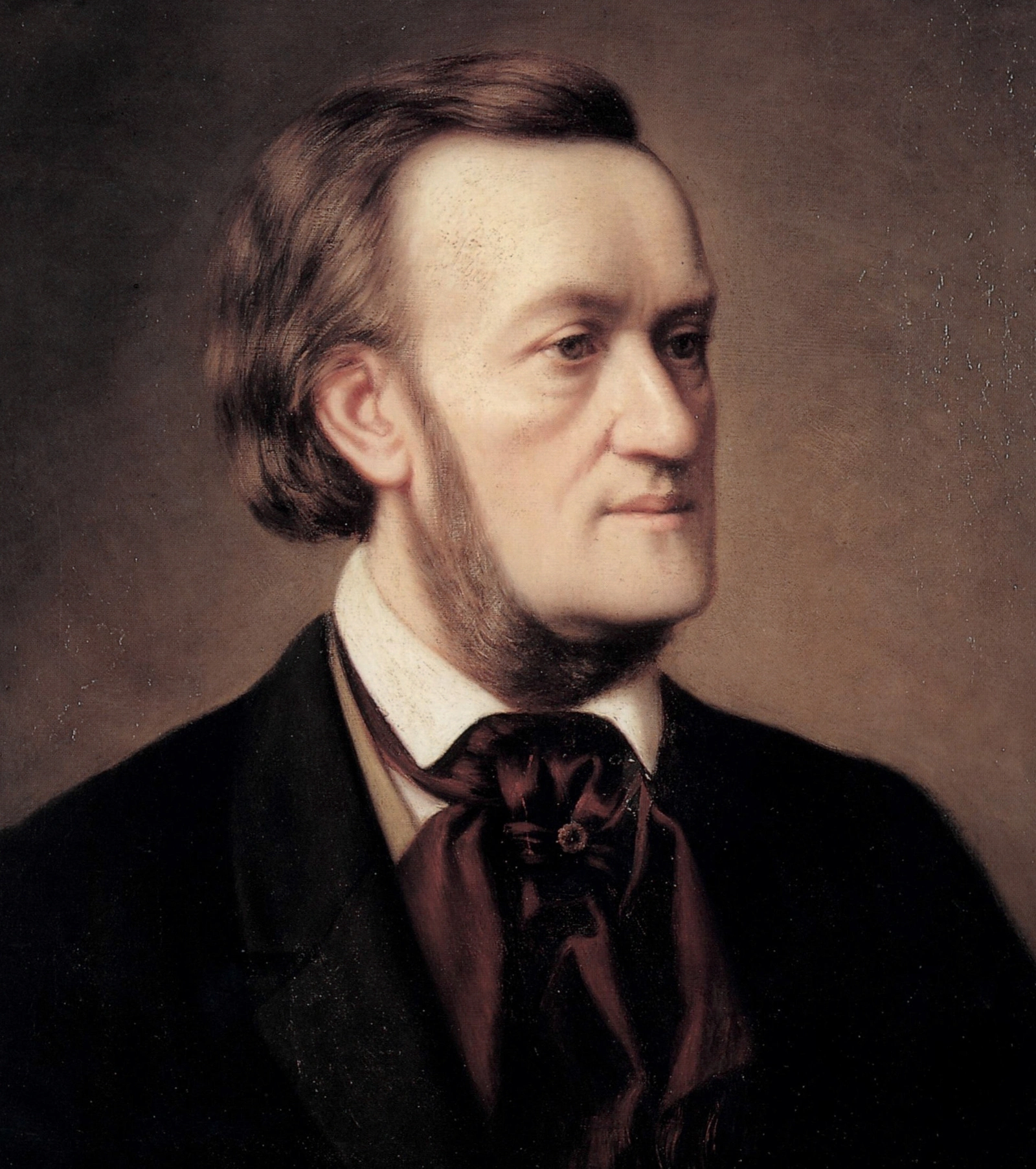
| 14 Quotes | |
| Born as | Wilhelm Richard Wagner |
| Occup. | Composer |
| From | Germany |
| Born | May 22, 1813 Leipzig, Saxony, Germany |
| Died | February 13, 1883 Venice, Italy |
| Aged | 69 years |
| Cite | |
Citation Formats
APA Style (7th ed.)
Richard wagner biography, facts and quotes. (2026, February 11). FixQuotes. https://fixquotes.com/authors/richard-wagner/
Chicago Style
"Richard Wagner biography, facts and quotes." FixQuotes. February 11, 2026. https://fixquotes.com/authors/richard-wagner/.
MLA Style (9th ed.)
"Richard Wagner biography, facts and quotes." FixQuotes, 11 Feb. 2026, https://fixquotes.com/authors/richard-wagner/. Accessed 27 Mar. 2026.
Early Life and Background
Wilhelm Richard Wagner was born on 1813-05-22 in Leipzig, in the Kingdom of Saxony, a German-speaking Europe still vibrating from the Napoleonic wars and the rise of romantic nationalism. His father, Carl Friedrich Wagner, died when Richard was an infant; his mother, Johanna, soon lived with the actor and painter Ludwig Geyer, long rumored - never proven - to be Wagner's biological father. That uncertainty, and the theater household that followed, mattered: Wagner grew up with the stage not as an abstraction but as daily weather, a place where identity could be made and remade under lights.After the family moved to Dresden, Wagner absorbed a city shaped by court culture and the tightening grip of restoration politics. He was volatile, ambitious, and quick to turn private grievance into mythic argument. Early on he showed a taste for large forms - tragedy, grand gesture, the feeling of fate bearing down - qualities that would later become both his artistic signature and his personal trap, pushing him toward debts, quarrels, and dramatic self-justification.
Education and Formative Influences
Wagner returned to Leipzig as a teenager, attending the Thomasschule and gravitating toward the Gewandhaus concerts, where Beethoven became a lifelong obsession and the idea of the symphony as moral struggle lodged in him. He studied composition with Christian Theodor Weinlig and learned the craftsman side of counterpoint and orchestration, but his imagination was fired as much by German romantic literature, Shakespeare, and the allure of Greek tragedy as by any classroom. The era's questions - what is "German" art, what should public culture be, who gets to speak for the nation - became for him artistic problems to be solved through music-drama.Career, Major Works, and Turning Points
He began in the world of opera houses and precarious employment: early works such as Die Feen and Das Liebesverbot led to the more consequential Rienzi (1842), which brought him to Dresden as court kapellmeister; Der fliegende Hollander (1843) and Tannhauser (1845) announced a new voice, intense and morally overheated. His political radicalism culminated in participation in the 1849 Dresden uprising; after its failure he fled into Swiss exile, where he wrote seminal essays (including The Artwork of the Future and Opera and Drama) and conceived the Ring cycle. Returning intermittently under patronage - most decisively from King Ludwig II of Bavaria - he endured scandal and triumph: the disastrous Paris Tannhauser (1861), the union with Cosima von Bulow (married 1870), and the long labor of Das Rheingold, Die Walkure, Siegfried, and Gotterdammerung. In 1876 he opened the Bayreuth Festspielhaus to realize the Ring on his own terms; Parsifal (1882) followed as a final, inward-looking summa. He died in Venice on 1883-02-13, leaving a Europe already arguing over whether his art was revelation or dangerous intoxication.Philosophy, Style, and Themes
Wagner's governing idea was total artwork - the fusion of poetry, staging, gesture, and orchestra into a single psychological machine. He replaced the closed number opera with continuous drama and developed leitmotifs not as mere tags but as a network of memory, desire, and foreboding that could speak beneath the words. The orchestra became a narrator: harmonically restless, capable of turning longing into structure, and famous for stretching tonality to the edge - most notoriously in Tristan und Isolde (1865), where desire is both ecstasy and sickness. His political and aesthetic writings pushed art toward public mission, even as his own life depended on private rescue by patrons, friends, and lovers.The inner Wagner is best seen in his recurring attraction to outsiders and the damned - the sailor cursed to wander, the singer torn between sacred duty and sensual pull, the hero who breaks the old laws and pays. He could romanticize those figures with startling tenderness: “I am fond of them, of the inferior beings of the abyss, of those who are full of longing”. That longing was his fuel, and he treated the theater as the place where longing could harden into reality: “Imagination creates reality”. Yet he never pretended the work was effortless; behind the grand myth stood a man of relentless labor and self-drama, insisting that “Achievements, seldom credited to their source, are the result of unspeakable drudgery and worries”. In Wagner, metaphysics and craftsmanship are inseparable - and so are rapture and control.
Legacy and Influence
Wagner reshaped Western music, theater, and the very expectation of what an opera could be: his harmonic language fed Mahler, Strauss, Debussy (even in reaction), and the modernist crisis of tonality; his orchestral storytelling echoes through film scoring; Bayreuth established a model of festival culture and director-driven staging that still defines operatic debate. His influence is inseparable from controversy - including his antisemitic writings and the later appropriation of his image by German nationalism - which has ensured that Wagner remains not only a composer but a cultural problem. Still, the works endure because they stage human will against mythic systems with uncommon psychological force, making the listener feel how ideals seduce, how power sings, and how longing can become a world.Our collection contains 14 quotes written by Richard, under the main topics: Witty One-Liners - Wisdom - Art - Music - Sarcastic.
Other people related to Richard: Anselm Kiefer (Artist), Joseph Beuys (Artist), Ernest Newman (Critic), Anton Seidl (Musician), Simon Callow (Actor), Giacomo Meyerbeer (Composer)
Source / external links