
Rick Perry Biography Quotes 65 Report mistakes
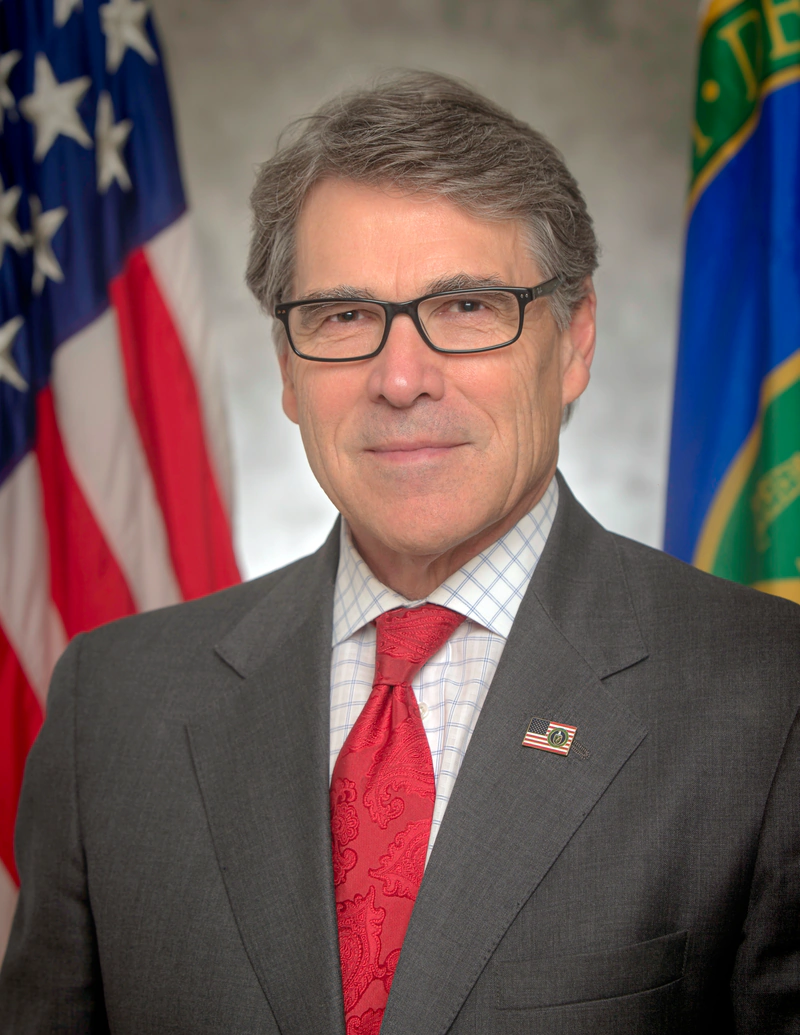
Attr: Ken Shipp
| 65 Quotes | |
| Born as | James Richard Perry |
| Occup. | Politician |
| From | USA |
| Born | March 4, 1950 Paint Creek, Texas, United States |
| Age | 76 years |
| Cite | |
Citation Formats
APA Style (7th ed.)
Rick perry biography, facts and quotes. (2026, February 17). FixQuotes. https://fixquotes.com/authors/rick-perry/
Chicago Style
"Rick Perry biography, facts and quotes." FixQuotes. February 17, 2026. https://fixquotes.com/authors/rick-perry/.
MLA Style (9th ed.)
"Rick Perry biography, facts and quotes." FixQuotes, 17 Feb. 2026, https://fixquotes.com/authors/rick-perry/. Accessed 26 Mar. 2026.
Early Life and Background
James Richard "Rick" Perry was born on March 4, 1950, in Paint Creek, a small farming community near Haskell in north-central Texas. The region was shaped by drought memory, oil booms, and a hard, church-centered pragmatism that prized self-reliance but depended on neighbors in lean years. Perry grew up amid cotton fields and cattle work, the kind of labor that turns politics into a vocabulary of weather, prices, and obligation rather than theory.His family life anchored him in West Texas conservatism without insulating him from its pressures. The rhythms of agriculture and the expectations of rural masculinity made competence and steadiness moral virtues; hesitation could cost money or livestock. That formative environment later showed in Perry's confidence-driven retail politics - direct, folksy, and sometimes impatient with nuance - and in his instinct to treat government as a tool meant to clear obstacles for work, not to substitute for it.
Education and Formative Influences
Perry attended Texas A&M University, graduating in 1972, and joined the Corps of Cadets, a formative subculture that fused hierarchy, ritual, and public service. He was trained to value command presence and unit cohesion, and after college he served as a U.S. Air Force pilot (C-130s), an experience that reinforced discipline and a risk-calculated style of decision-making. A&M's network and the post-Vietnam military also sharpened his sense that national strength and local prosperity rise or fall together, a theme that would recur in his later arguments about energy, jobs, and federal overreach.Career, Major Works, and Turning Points
Perry entered politics as a Texas Democrat, winning a seat in the Texas House in 1984, then switched parties in 1989 as Texas realigned and national Democrats moved left on cultural and regulatory questions. He became Texas agriculture commissioner (1991-1998), lieutenant governor (1999-2000), and then governor in December 2000 after George W. Bush resigned to become president; Perry won subsequent elections and served until 2015, the longest gubernatorial tenure in Texas history. His governorship emphasized tax restraint, tort reform, aggressive economic development, and a pro-energy posture; it also featured polarizing cultural fights and high-profile controversies such as the HPV vaccination executive order (2007) and debates over immigration and in-state tuition. Nationally, Perry sought the presidency in 2012, a campaign defined by early momentum and a damaging debate lapse, before returning as an outspoken conservative voice and later serving as U.S. secretary of energy (2017-2019), where he surprised skeptics by defending core DOE functions while pushing exports and grid security.Philosophy, Style, and Themes
Perry's inner political life was built around a single anxiety and a single promise: economic dignity. He often framed policy through the household lens, insisting he was “worried about that man or woman sitting around - the coffee table tonight or in their kitchen talking about how are we going to get to work. How are we going to have the dignity to take care of our family”. That sentence reveals his psychological center of gravity - a leader who wants to be felt as protective, not paternalistic, and who treats employment as the emotional cornerstone of citizenship. It also explains his persistent courting of business investment and his tendency to convert abstract issues into immediate kitchen-table stakes.His governing creed fused majoritarian confidence with suspicion of centralized authority. The most coherent through-line in his rhetoric is a populist federalism: “In the rush to become all things to all people, the federal government has lost sight of its core responsibilities”. The appeal is less libertarian purity than boundary maintenance - a belief that local control preserves moral clarity and economic agility. At the same time, he cast participation itself as a civic duty, arguing that “Democracy functions best when we have an active citizenry”. The tension between these impulses - grassroots engagement and top-down executive certainty - shaped his style: high-decibel persuasion, symbolic gestures (prayer events, border messaging), and an executive's comfort with decisive action, even when the details later drew scrutiny.
Legacy and Influence
Perry's long Texas tenure made him a central architect of the early 21st-century Sun Belt conservative model: low taxes, business recruitment, energy-first development, and culturally resonant messaging tied to faith and local pride. Admirers credit him with helping brand Texas as a job magnet and with normalizing a state-level challenge to Washington; critics point to uneven social outcomes, contentious education and health debates, and a politics that sometimes privileged performance over precision. Nationally, his 2012 stumble became a cautionary tale about modern campaigning, yet his later Energy Department service demonstrated a capacity to adapt from campaign rhetoric to institutional stewardship. In the broader story of American conservatism, Perry endures as a bridge figure between Bush-era Texas governance and the populist, media-saturated right that followed - a politician whose most durable claim was not ideological novelty, but the emotional insistence that public policy must answer to work, dignity, and place.Our collection contains 65 quotes written by Rick, under the main topics: Witty One-Liners - Justice - Leadership - Freedom - Learning.
Other people related to Rick: John C. White (Politician), Kay Bailey Hutchison (Politician), Louie Gohmert (Politician)