
Robert Atkins Biography Quotes 6 Report mistakes
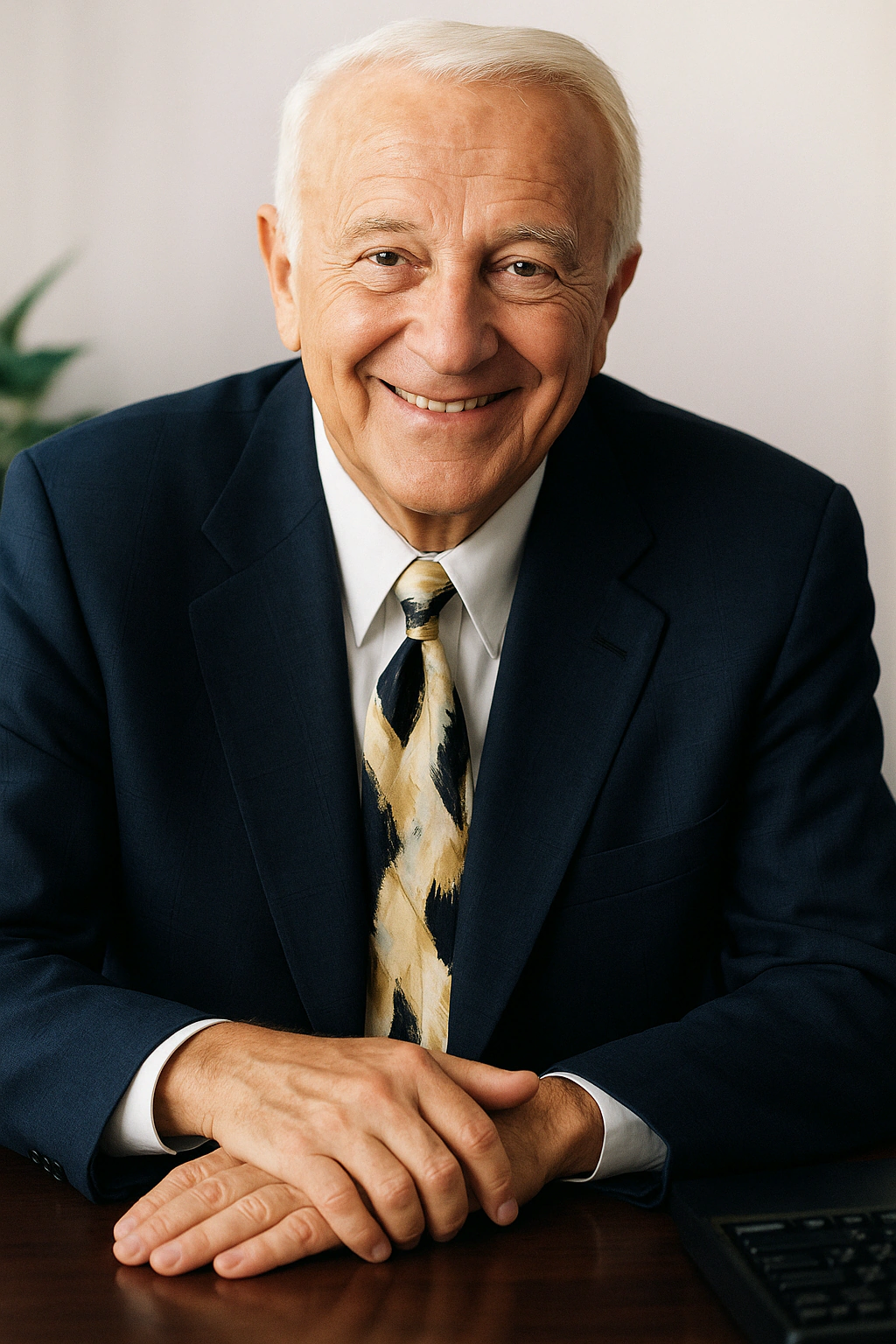
| 6 Quotes | |
| Born as | Robert Coleman Atkins |
| Occup. | Doctor |
| From | USA |
| Spouse | Veronica Atkins (1986) |
| Born | October 17, 1930 Columbus, Ohio, USA |
| Died | April 17, 2003 New York City, USA |
| Cause | Head injury |
| Aged | 72 years |
| Cite | |
Citation Formats
APA Style (7th ed.)
Robert atkins biography, facts and quotes. (2026, February 11). FixQuotes. https://fixquotes.com/authors/robert-atkins/
Chicago Style
"Robert Atkins biography, facts and quotes." FixQuotes. February 11, 2026. https://fixquotes.com/authors/robert-atkins/.
MLA Style (9th ed.)
"Robert Atkins biography, facts and quotes." FixQuotes, 11 Feb. 2026, https://fixquotes.com/authors/robert-atkins/. Accessed 7 Mar. 2026.
Early Life and Background
Robert Coleman Atkins was born on October 17, 1930, in Columbus, Ohio, into a United States emerging from the Great Depression and moving toward wartime mobilization. The era shaped his later preoccupation with abundance and its costs: by the time he reached adulthood, America had shifted from scarcity to mass-produced calories, and a new kind of illness - chronic, metabolic, lifestyle-driven - was beginning to define postwar medicine.Family and early records are comparatively thin in the public domain, but Atkins later presented himself as a clinically minded striver with an engineer's faith in systems and cause-and-effect. The young Atkins came of age as television, processed foods, and car-centric living altered daily habits. Those environmental changes, paired with his own experiences of weight gain as an adult, would become both an autobiographical engine and a professional lightning rod.
Education and Formative Influences
Atkins trained as a physician at a time when mid-century American medicine prized pharmacology, surgery, and acute-care triumphs, while nutrition science remained fragmented and often ideological. He studied in the long shadow of Ancel Keys and the rise of low-fat orthodoxy, yet he was also exposed to older therapeutic traditions - diabetes management and ketogenic physiology - in which carbohydrate restriction had practical precedent. That tension between emerging consensus and neglected clinical tools prepared him to be, later, a highly visible dissenter.Career, Major Works, and Turning Points
Atkins practiced internal medicine and cardiology in New York City, building a private practice that increasingly centered on weight loss and metabolic risk. His public turning point came in the early 1970s with the publication of Dr. Atkins' Diet Revolution (1972), later updated and expanded through multiple editions as his program evolved into a branded method. In a period when federal dietary guidelines and popular media pushed low-fat eating, Atkins argued that many patients were failing not for lack of willpower but because their metabolic responses to carbohydrates and insulin were being misunderstood. He founded Atkins Nutritionals to commercialize low-carb products, and by the late 1990s and early 2000s his "Atkins diet" had become a cultural fact - praised by adherents for results and attacked by critics as risky or faddish. He died on April 17, 2003, in New York.Philosophy, Style, and Themes
Atkins' inner life, as it emerges from his interviews and clinical persona, combines self-experimentation with a moral psychology of commitment. He framed his entry into carbohydrate restriction as a pragmatic escape from hunger rather than a crusade: “I was gaining weight very rapidly and read about the idea of restricting carbohydrates as an alternative to going hungry. I had a big appetite, so that was the only thing I would even consider”. This candid admission matters because it reveals the method's emotional core - not self-denial, but a bargain with appetite - and helps explain why his program appealed to people who felt shamed by calorie-counting regimes.Intellectually, Atkins wrote like a clinician translating biochemistry into street-level instruction, insisting that fat loss could be explained as fuel selection, not moral failure. “It's so logical and so simple. Fat is the backup fuel system. The role it plays in the body is that when there's no carbohydrate around, fat will become the primary energy fuel. That's pretty well known”. The plainspoken tone - bordering on impatience with complexity - was central to his brand. He also treated relapse as a psychological decision point rather than a mere statistical inevitability: “My patient population has a low recidivism rate, but if they haven't made up their minds that it is permanent, then of course, they will fail”. The theme running through his work is permanence: a lifestyle must become identity, and identity must be defended against a food environment engineered for overconsumption.
Legacy and Influence
Atkins left an enduring imprint on diet culture, clinical debate, and the language people use to describe metabolism. Long after his death, low-carb and ketogenic approaches became mainstream options in obesity and diabetes discussions, and his popularization of carbohydrate restriction helped shift attention toward insulin dynamics, satiety, and adherence - even among critics who rejected his conclusions. His legacy is double-edged: a pioneer for patients who felt unheard by low-fat orthodoxy, and a polarizing figure whose commercial reach blurred the line between medical advocacy and industry. Yet the central question he forced into public view - whether the dominant nutritional paradigm was failing ordinary bodies in an altered food landscape - remains one of the defining controversies of modern preventive medicine.Our collection contains 6 quotes written by Robert, under the main topics: Witty One-Liners - Wisdom - Change - Health.
Frequently Asked Questions
- Robert Atkins books: Dr. Atkins' Diet Revolution; Dr. Atkins' New Diet Revolution; Atkins for Life; Dr. Atkins' Vita-Nutrient Solution.
- Robert Atkins The Commitments: Likely a mix-up with Robert Arkins from The Commitments; Atkins wasn’t involved.
- Robert Atkins Dateline: Referenced in TV newsmagazines; see Dateline NBC archives for coverage.
- Dr Robert Atkins: American physician (1930–2003) who popularized the low-carb Atkins diet.
- Robert Atkins actor: Different person, the British actor Robert Atkins (1886–1972).
- Robert Atkins diet: A low-carbohydrate plan emphasizing protein and fat while limiting carbs.
- How did Robert Atkins die: Complications of a head injury after slipping on ice in New York in 2003.
- How old was Robert Atkins? He became 72 years old
Source / external links