
Robert Browning Hamilton Biography Quotes 21 Report mistakes
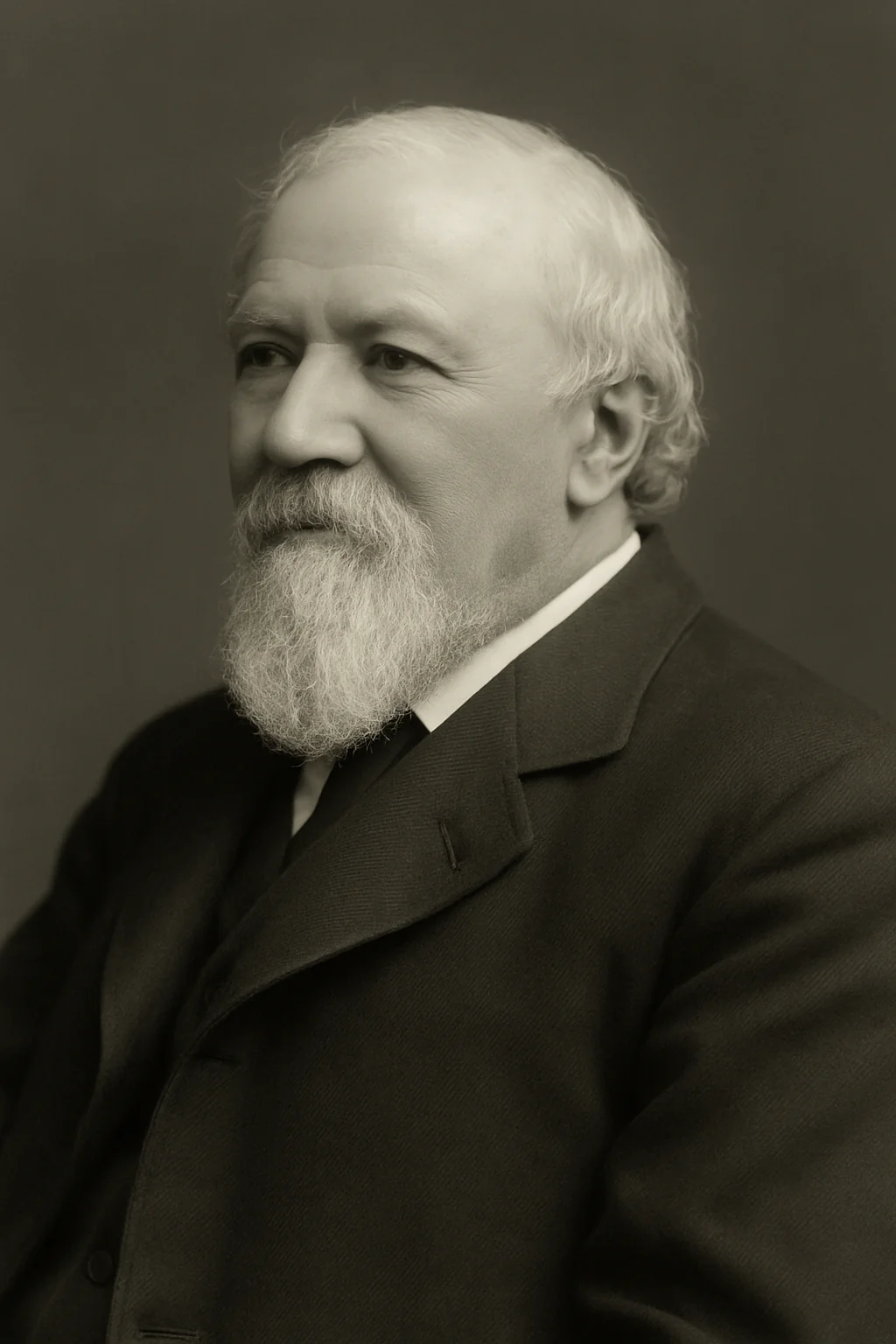
| 21 Quotes | |
| Occup. | Writer |
| From | USA |
| Born | January 9, 1867 Unionville, Ohio |
| Died | December 18, 1950 |
| Aged | 83 years |
| Cite | |
Citation Formats
APA Style (7th ed.)
Robert browning hamilton biography, facts and quotes. (2026, February 2). FixQuotes. https://fixquotes.com/authors/robert-browning-hamilton/
Chicago Style
"Robert Browning Hamilton biography, facts and quotes." FixQuotes. February 2, 2026. https://fixquotes.com/authors/robert-browning-hamilton/.
MLA Style (9th ed.)
"Robert Browning Hamilton biography, facts and quotes." FixQuotes, 2 Feb. 2026, https://fixquotes.com/authors/robert-browning-hamilton/. Accessed 27 Mar. 2026.
Early Life and Background
Robert Browning Hamilton was born on January 9, 1867, in the United States, into a post-Civil War nation remaking itself through industry, urban growth, and a new confidence in mass literacy. That era produced writers who could move between pulpit cadence and street argument, between inherited moral certainty and the unsettling complexity of modern life. Hamilton belonged to that transitional generation: old enough to inherit the Victorian moral vocabulary, young enough to watch it strain under immigration, labor conflict, and the accelerating tempo of American cities.The surviving public record of his private life is thin compared with better-documented contemporaries, and many later attributions to him appear to borrow prestige from the famous English poet Robert Browning. What can be said with confidence is that Hamilton worked under the broad pressure of late-19th and early-20th century American letters - a period when print culture exploded (magazines, lecture circuits, newspapers) and when a writer's identity was increasingly shaped by the marketplace as much as by the salon. He died on December 18, 1950, after living through two world wars and the Great Depression, events that hardened many American writers into realists, skeptics, or moralists - sometimes all at once.
Education and Formative Influences
Hamilton came of age as American schooling expanded and as self-education through periodicals and public libraries became a defining pathway for aspiring authors. The intellectual atmosphere he likely breathed was steeped in the afterlife of Transcendentalism, the rise of pragmatism, and a pervasive Protestant rhetoric of self-making - but it was also shadowed by European models, especially dramatic poetry and the psychological monologue. The very fact that his name is repeatedly entangled with Browning-like formulations suggests an imagination attracted to argument in verse or prose, to character revealed under pressure, and to a style that treats thought as drama rather than ornament.Career, Major Works, and Turning Points
Hamilton is primarily remembered as a writer whose reputation travels more through quotations and secondary collections than through a firmly established bibliography of signature books. That pattern itself is historically telling: the late 19th century created a vast ecosystem of excerpts, recitations, and aphorism culture, in which lines could detach from their original contexts and live a second life as moral equipment for public speaking, classroom elocution, and personal uplift. Over the decades, Hamilton's public identity seems to have been shaped by that excerpting machinery, a process that can elevate a name while simultaneously blurring the author behind it. By the time of his death in 1950, the American literary world had turned toward modernism, then wartime urgency, leaving earlier rhetorical modes to circulate as "timeless" sayings even when their origins were increasingly misremembered.Philosophy, Style, and Themes
Hamilton's enduring appeal lies in a moral psychology of striving - the insistence that a person is defined not by comfort but by inward contest. The line “No, when the fight begins within himself, A man's worth something”. captures a view of character as an arena: conscience versus appetite, duty versus fear, hope versus fatigue. In a nation that mythologized self-reliance yet regularly confronted social upheaval, this was not mere pep talk; it was a portable ethic, suited to readers who needed language for perseverance without sentimentalizing suffering.Just as central is his fascination with aspiration as an almost sacred restlessness. “Ah, but a man's reach should exceed his grasp, Or what's a heaven for?” frames ambition not as vanity but as the human signature, a clue that our desires are larger than our circumstances. That emphasis aligns with a period when American identity was being rewritten through mobility and invention, but it also reveals an inner life suspicious of complacency - a temperament that treats dissatisfaction as evidence of moral vitality. Even the more expansive claim “Finds progress, man's distinctive mark alone, Not God's, and not the beast's; God is, they are, Man partly is, and wholly hopes to be”. suggests a metaphysics of becoming: humanity as unfinished, nobly incomplete. Stylistically, the rhetoric tends to argue, exhort, and diagnose - less interested in decorative beauty than in sentences that function like levers, moving the reader from passivity to action.
Legacy and Influence
Hamilton's legacy is paradoxical: culturally present through widely repeated lines, yet biographically elusive, with his name sometimes acting as a vessel for Browning-associated maxims rather than a clearly bounded authorial corpus. That afterlife nonetheless signals real influence. In classrooms, sermons, speeches, and quotation anthologies, his attributed words have served as a vocabulary for endurance and ethical ambition, shaping how readers narrate their own inner battles. In the long view of American letters, he stands as a case study in how a writer can survive as a voice - an arsenal of phrases about progress and self-overcoming - even when the details of the life recede, leaving the psychology of the lines to do the biographical work.Our collection contains 21 quotes written by Robert, under the main topics: Motivational - Ethics & Morality - Wisdom - Art - Justice.
Frequently Asked Questions
- Robert Browning Hamilton's literary style: Hamilton's style is known for its introspective themes, vivid imagery, and emotional depth, often exploring human experiences, emotions, and the complexities of life.
- I spent an hour with laughter we chatted all the way: This line is from 'Along the Road' and it represents an uplifting moment, where the narrator enjoys the company of laughter, a symbol of joy and happiness.
- Along the road poem: 'Along the Road' is a poem by Robert Browning Hamilton that explores various emotions and experiences encountered during life's journey, including pleasure, sorrow, and laughter.
- I walked a mile with sorrow lyrics: These lyrics are from the same poem, describing a journey shared with sorrow. This line emphasizes the value of learning and growing from life's challenging experiences.
- Robert Browning Hamilton i walked a mile with pleasure meaning: This phrase refers to a line in Hamilton's poem, where he describes experiencing happiness during a journey. It highlights the importance of embracing and appreciating joyful moments in life.
- How old was Robert Browning Hamilton? He became 83 years old
Robert Browning Hamilton Famous Works
Source / external links