
Robert Byrne Biography Quotes 18 Report mistakes
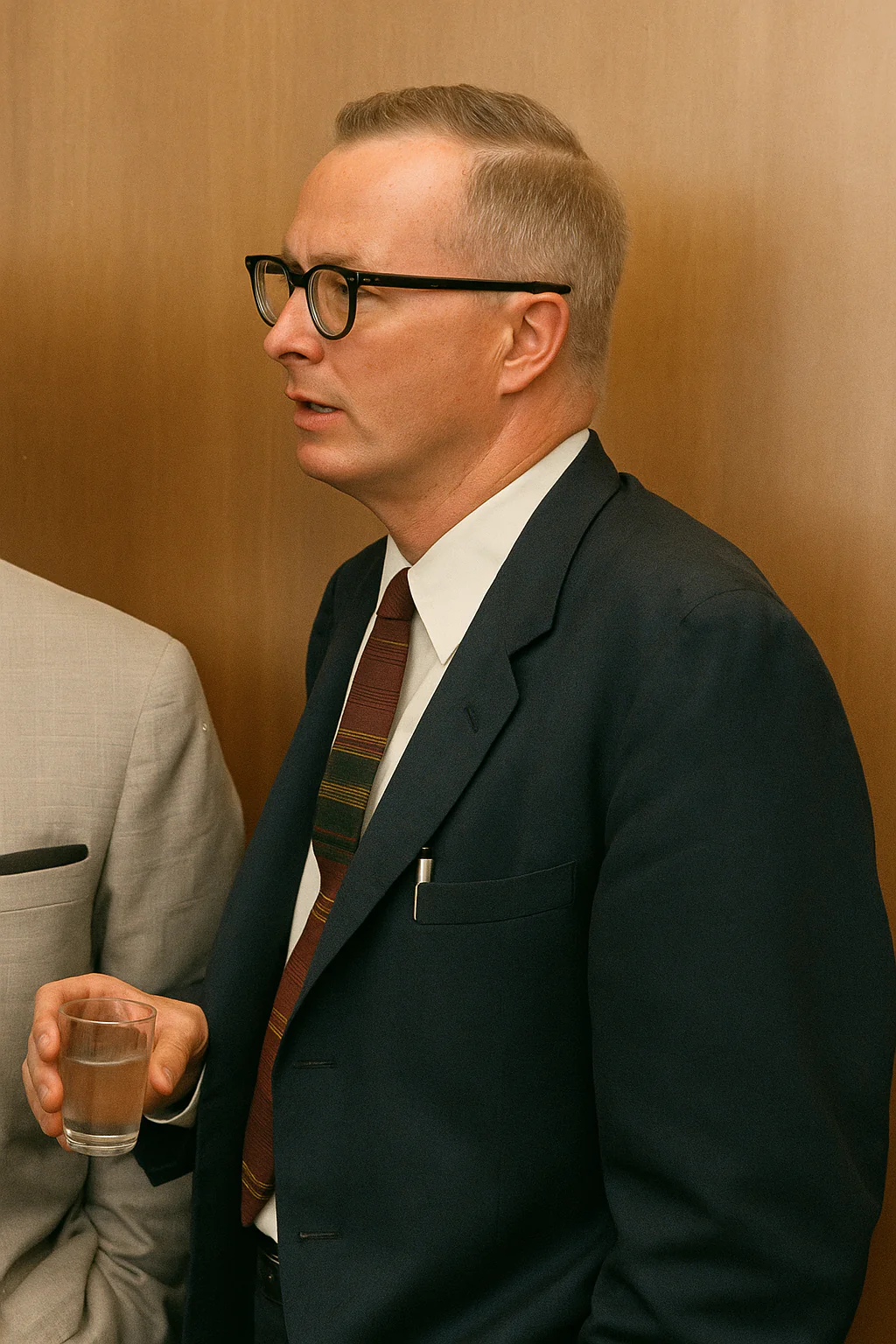
| 18 Quotes | |
| Born as | Robert Eugene Byrne |
| Occup. | Celebrity |
| From | USA |
| Born | April 20, 1928 Brooklyn, New York, USA |
| Died | April 12, 2013 Ossining, New York, USA |
| Aged | 84 years |
| Cite | |
Citation Formats
APA Style (7th ed.)
Robert byrne biography, facts and quotes. (2026, February 2). FixQuotes. https://fixquotes.com/authors/robert-byrne/
Chicago Style
"Robert Byrne biography, facts and quotes." FixQuotes. February 2, 2026. https://fixquotes.com/authors/robert-byrne/.
MLA Style (9th ed.)
"Robert Byrne biography, facts and quotes." FixQuotes, 2 Feb. 2026, https://fixquotes.com/authors/robert-byrne/. Accessed 27 Mar. 2026.
Early Life and Background
Robert Eugene Byrne was born on April 20, 1928, in the United States, growing up in a country that was remaking itself through the late Depression years and then the shared mobilization of World War II. That atmosphere of practical improvisation and wary optimism would later show up in his work as a writer: he learned to distrust grand promises, to prefer the hard edges of observation, and to treat everyday human behavior as the most reliable source of comedy.Byrne became publicly known less as a conventional "celebrity" than as a recognizable American humor voice - a man whose persona was built from newspaper wit, aphorism, and a peculiarly modern suspicion of systems that claim to run smoothly. He lived through the postwar boom, the rise of mass-market paperbacks, and the long age of syndicated columns and magazine humor, and he watched those platforms give way to late-20th-century broadcast culture. He died on April 12, 2013, leaving behind a reputation for jokes that sounded offhand but were engineered like traps.
Education and Formative Influences
Details of Byrne's formal schooling are less widely fixed than the influence of his era: mid-century American print culture rewarded the punchy line, the portable gag, the epigram that could travel from a column to a speech to a cocktail-party retelling. Byrne absorbed the tradition of American newspaper humor and the older British-American taste for the maxim, and he sharpened it against the anxieties of modern life - technology that fails, institutions that misfire, relationships that disappoint, and the stubborn dignity of ordinary people trying to look competent.Career, Major Works, and Turning Points
Byrne made his name as a humorist and collector of quotable lines, producing books and pieces that treated modern living as an obstacle course of human error, romantic misunderstanding, and bureaucratic irony. His long-running appeal came from the way his jokes could function as both entertainment and diagnosis: a Byrne line was often a miniature theory of why things go wrong. Over time, he became a frequently cited source for "laws" and one-liners, a kind of unofficial chronicler of American everyday frustration - and the durability of his material, repeated and reshared across decades, turned him into a familiar reference point far beyond the original contexts in which he published.Philosophy, Style, and Themes
Byrne's inner life, as inferred from his work, was marked by two impulses that rarely coexist: a moral hunger for meaning and a reflex to puncture pretension. He could sound almost sermon-like about intentional living, but he refused earnestness without a safety valve. “The purpose of life is a life of purpose”. Read psychologically, the line is less a platitude than a self-instruction, a way of disciplining a mind that sees chaos everywhere. His humor suggests someone who believed that direction is chosen, not granted - and that without chosen purpose, the daily humiliations he cataloged would become unbearable.His style was compressed, adversarial, and observational - jokes built like aphorisms, aphorisms built like jokes. He treated error as the baseline state of humanity, then widened the lens to show that systems are designed not to prevent failure but to distribute it. “Byrne's Law: In any electrical circuit, appliances and wiring will burn out to protect fuses”. The comic premise is domestic, but the worldview is large: institutions rarely sacrifice themselves; they sacrifice whatever is downstream. Even his lightest puns carry a philosophy of fallibility - “To err is human, to purr feline”. - a reminder that correction and control are fantasies, while the real art is learning which mistakes to laugh at and which to plan around.
Legacy and Influence
Byrne's legacy is the afterlife of the quotable sentence: he helped shape the late-20th-century American taste for the portable insight that can be repeated without its original scaffolding. His lines persist because they are useful - as social currency, as coping mechanisms, as tiny scripts for admitting defeat without surrendering dignity. In an age that increasingly rewards speed, Byrne's compression feels prophetic: he modeled a humor of tight construction and emotional candor, and his best-known aphorisms continue to circulate as both jokes and guides for living with modern breakdowns.Our collection contains 18 quotes written by Robert, under the main topics: Witty One-Liners - Wisdom - Puns & Wordplay - Sarcastic - Freedom.
Frequently Asked Questions
- Donald Byrne: American chess master; Robert Byrne’s brother; famed for Fischer’s 1956 “Game of the Century.”
- How old was Robert Byrne? He became 84 years old
Source / external links